

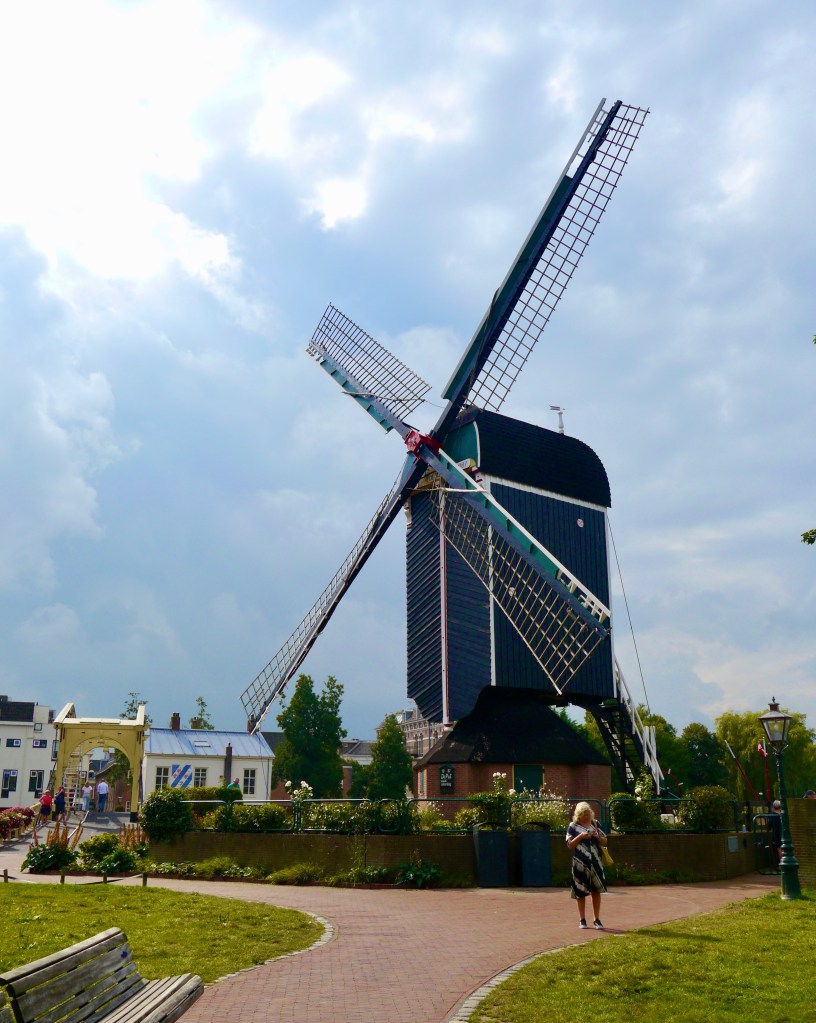
Nestled in a fork between Germany and Belgium and bordered on the north/northwest by the North Sea, this small country has twelve provinces. About the size of West Virginia, USA, the Netherlands is jam packed with history, culture, culinary delights and beauty.
Amsterdam

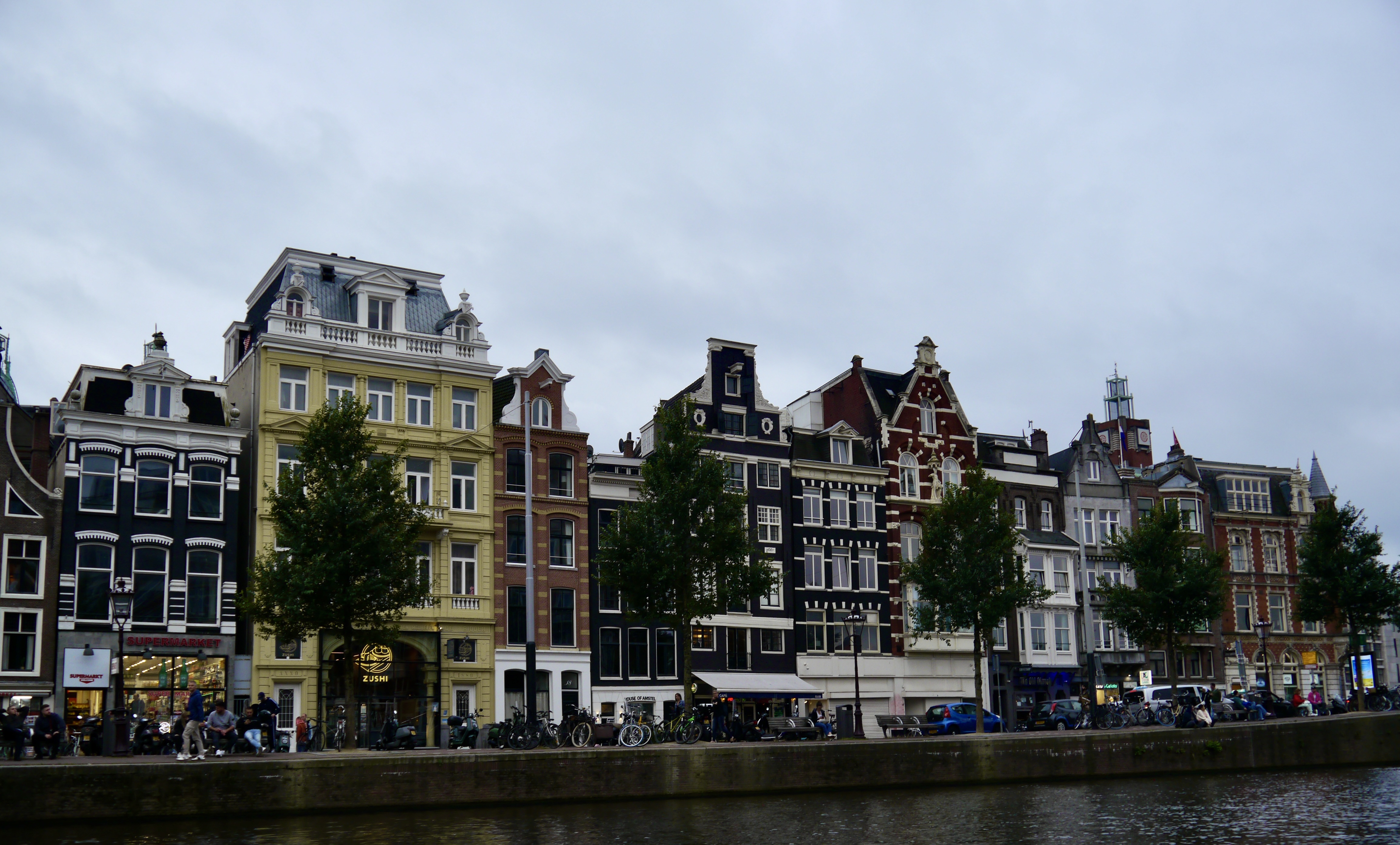
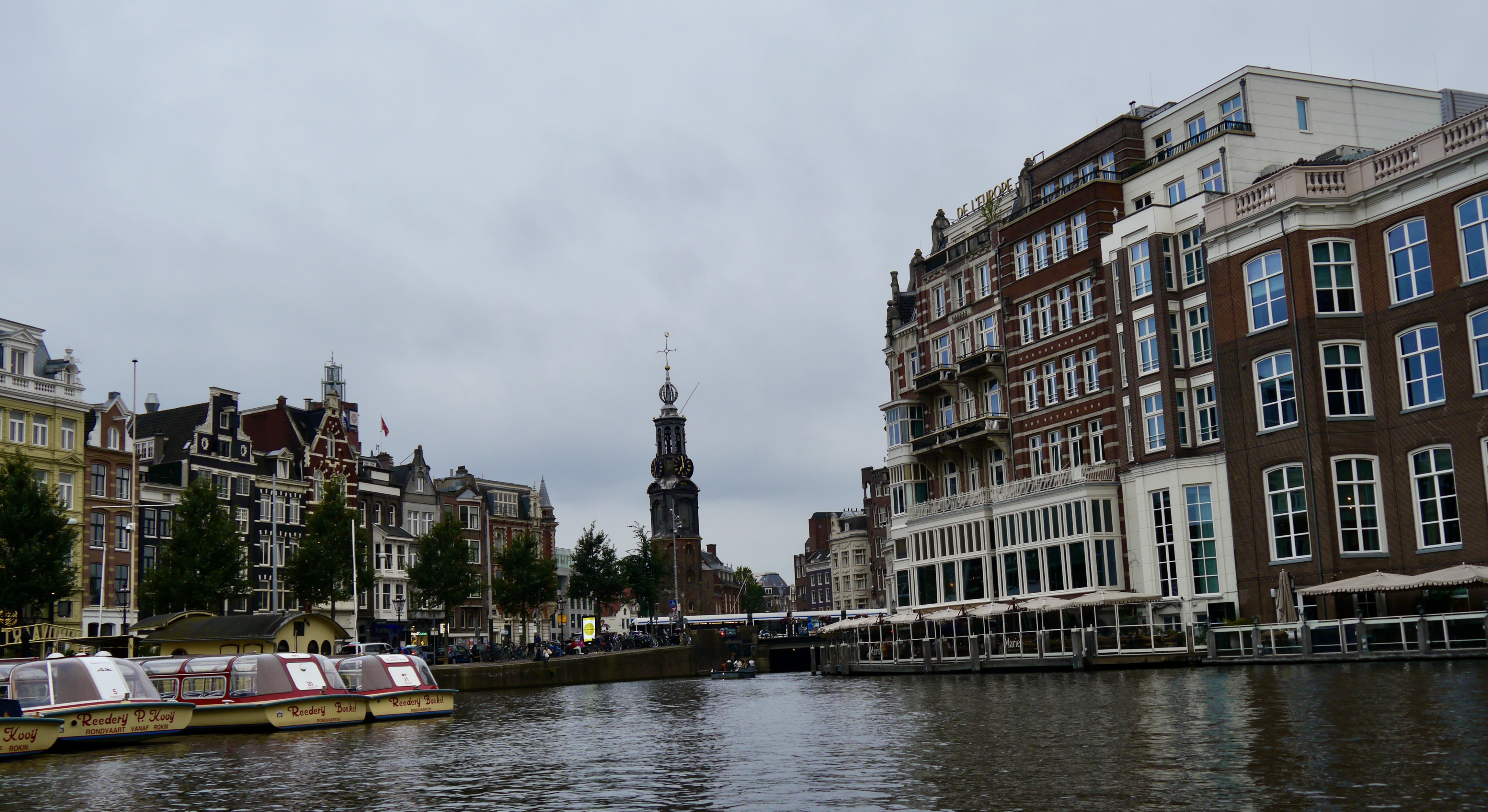
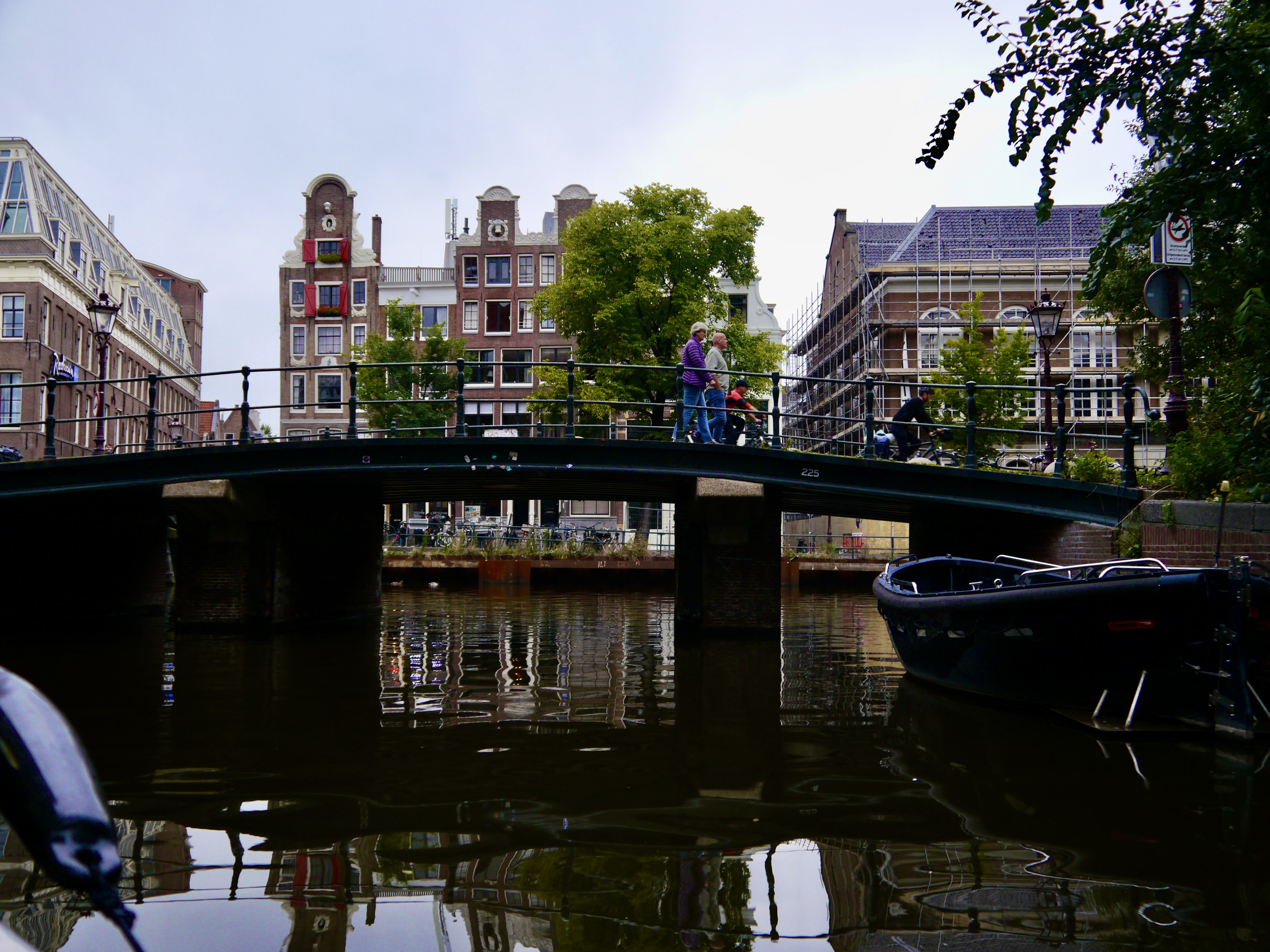
Amsterdam is fed by the river Amstel. The city is intersected by 165 canals with more than 1,200 bridges. Some date back to the year 1554. The city lies approximately 6 feet below sea level. One nickname, Venice of the West, is totally apropos. Located in the province of North Holland, Amsterdam is the country’s capital.
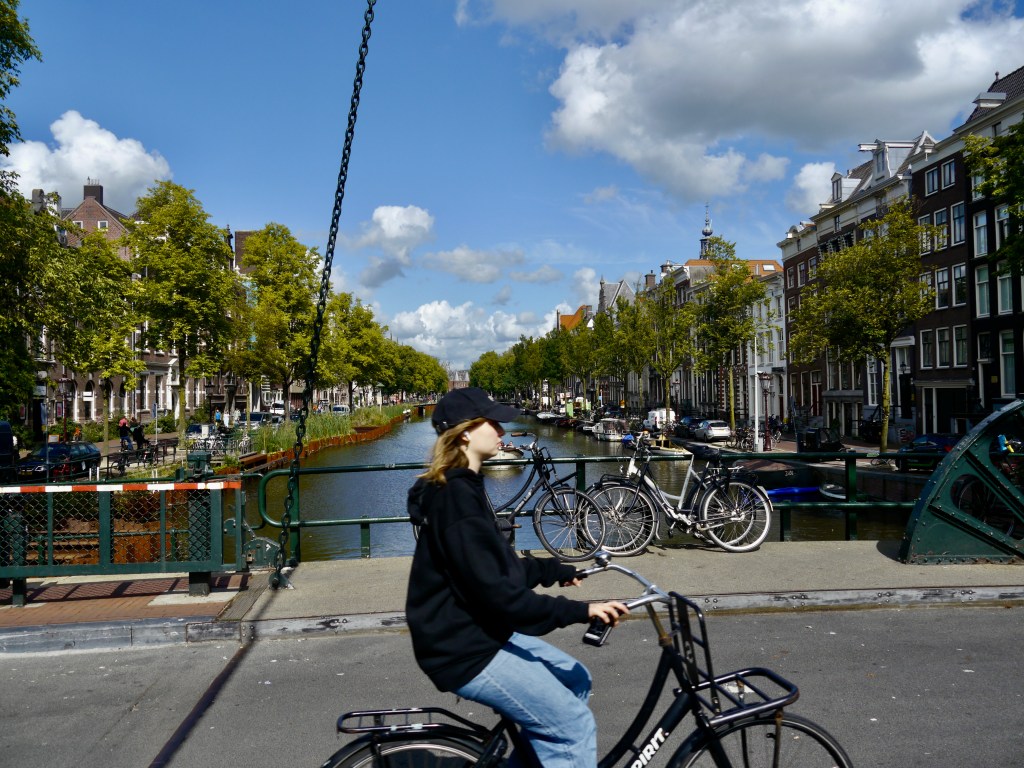

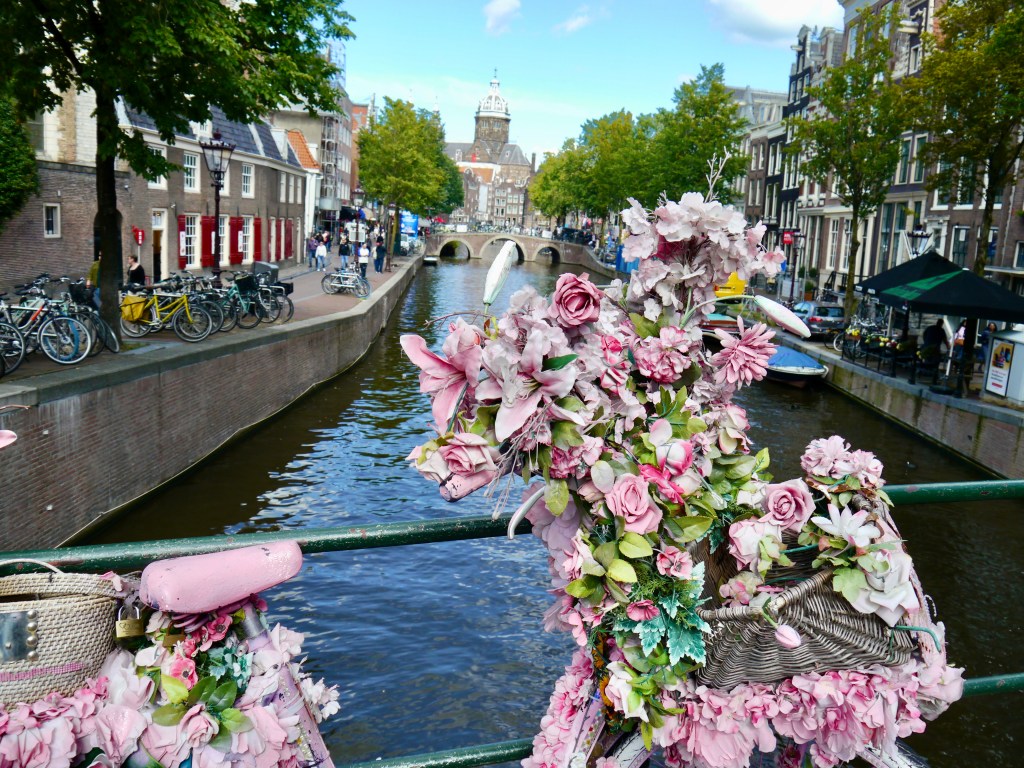

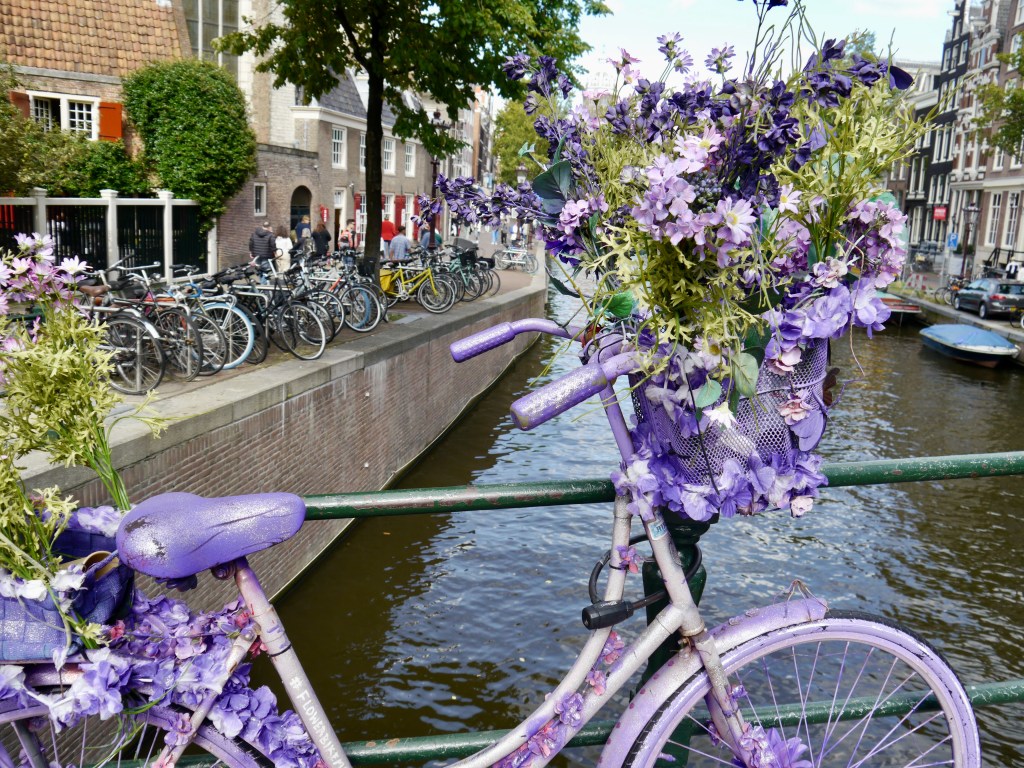
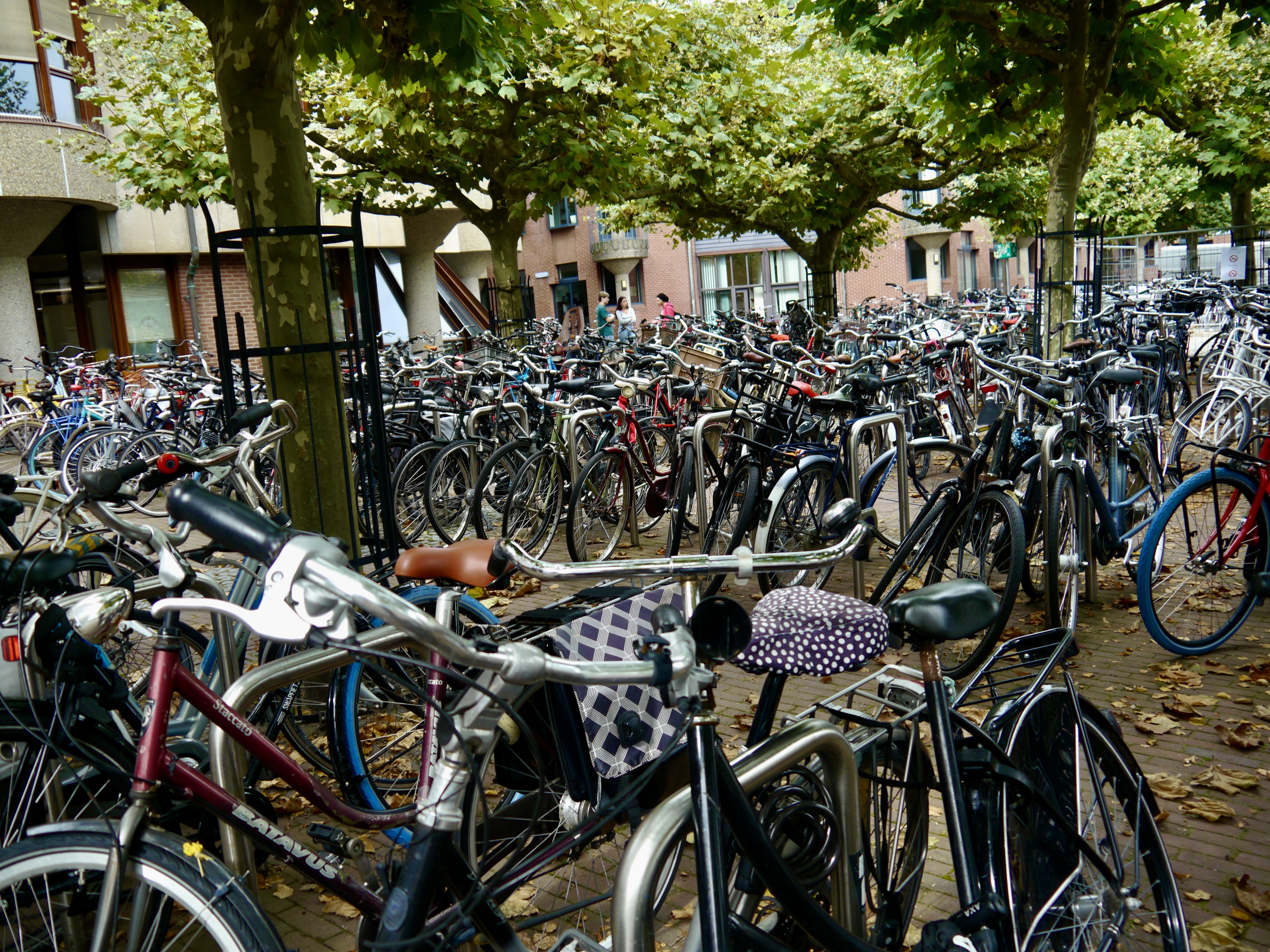
There are far more bicycles in Amsterdam than cars. This fact explains the right-of-way hierarchy in the city. Bicycles first, cars next and pedestrians rank a distant third. There are bikes everywhere! The ching-ching-ching of bike bells warning approach is constant. Figuring out the system for crossing streets is challenging. Caution, don’t walk in the bike lanes! Cars are super expensive to maintain and are not needed. The city has an excellent mass transportation system, is fun to walk and embraces all two-wheelers, While I didn’t have the courage to join in the manic cycling world, I did find the transportation system logical on multiple levels: health, noise, pollution abatement and interconnectivity to name some.
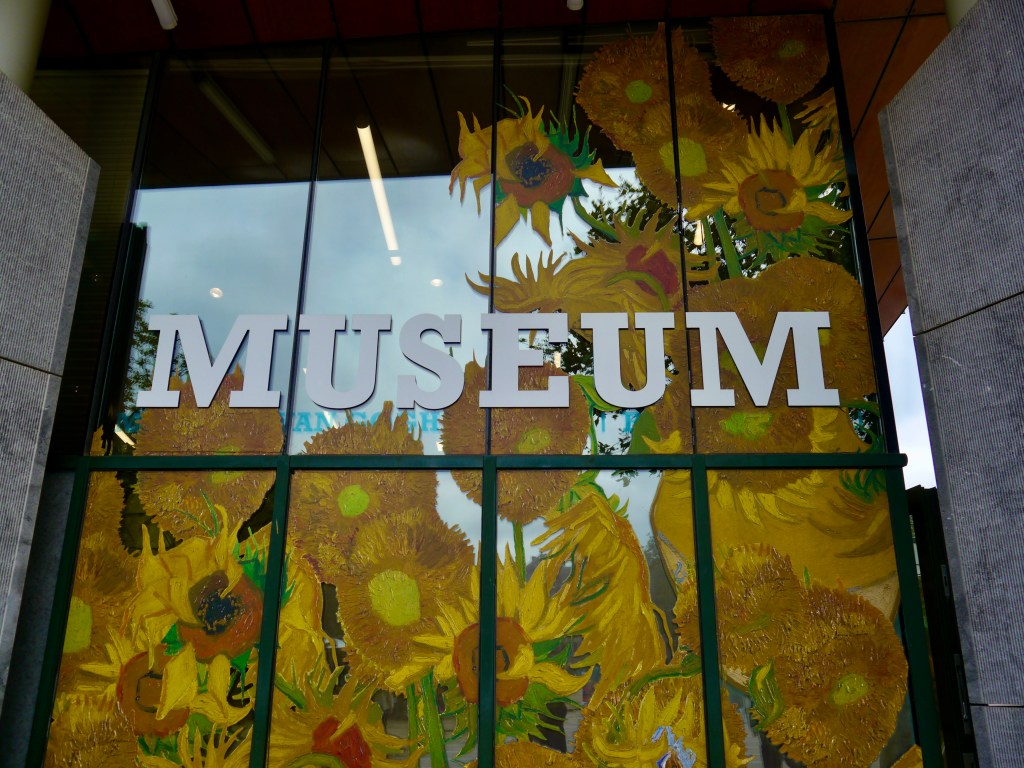
I do love a good museum. Small, large, any motif. There’s always something to learn. Amsterdam has its fair share of great museums housed in stellar locations. We spent 5 days roaming the city and barely scratched the surface. If that isn’t a great excuse for a return visit, I don’t know what is. We purchased online museum tickets far in advance, which proved to be wise. (Thank you Conde). This included The Van Gogh Museum. Unbeknownst at the time, there was a special exhibit, ending the day after our visit. What a tremendous treat. The special exhibit was a creme-de-la-creme collection of Van Gogh pieces borrowed from prestigious art museum from around the world, all in pristine condition.

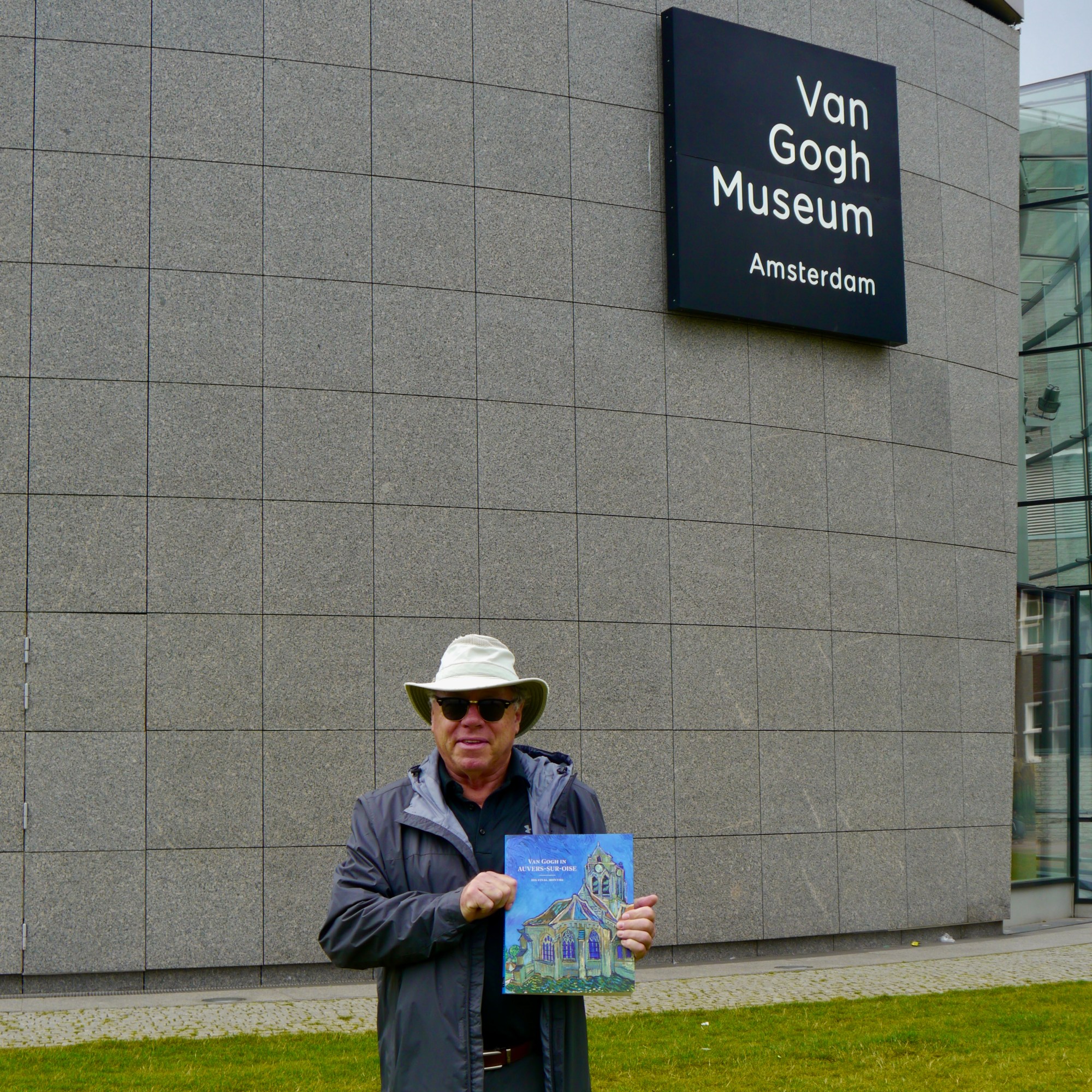
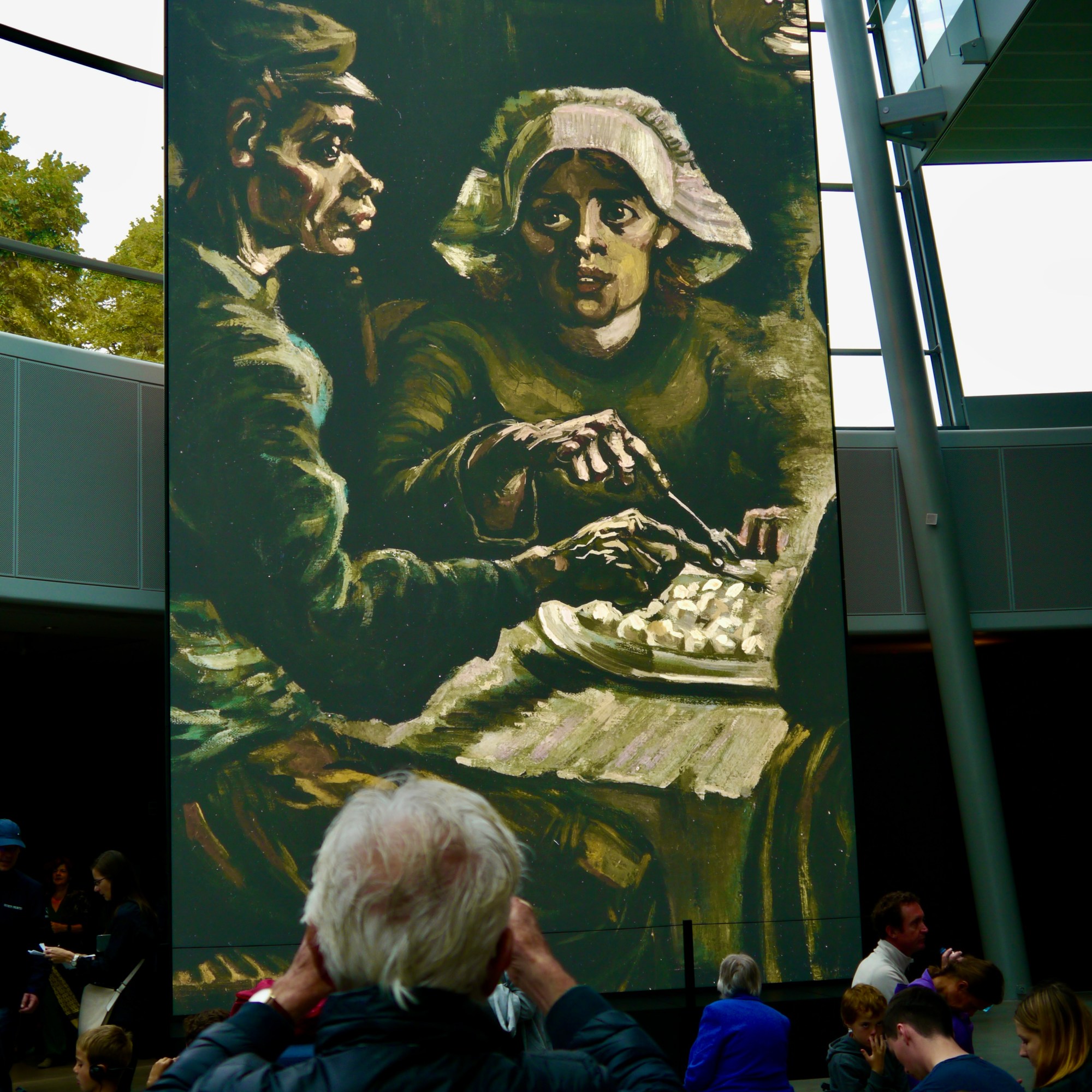
With that said, the ongoing exhibit is far from shabby. Populated by a menagerie of items, mostly from Van Gogh’s family, it is curated to follow the artist’s life, his interactions with contemporaries, and the evolution of his work. It showcases art and correspondence that lend a greater understanding of the man, his art and his rise to a post-mortem prominence in the world of art.
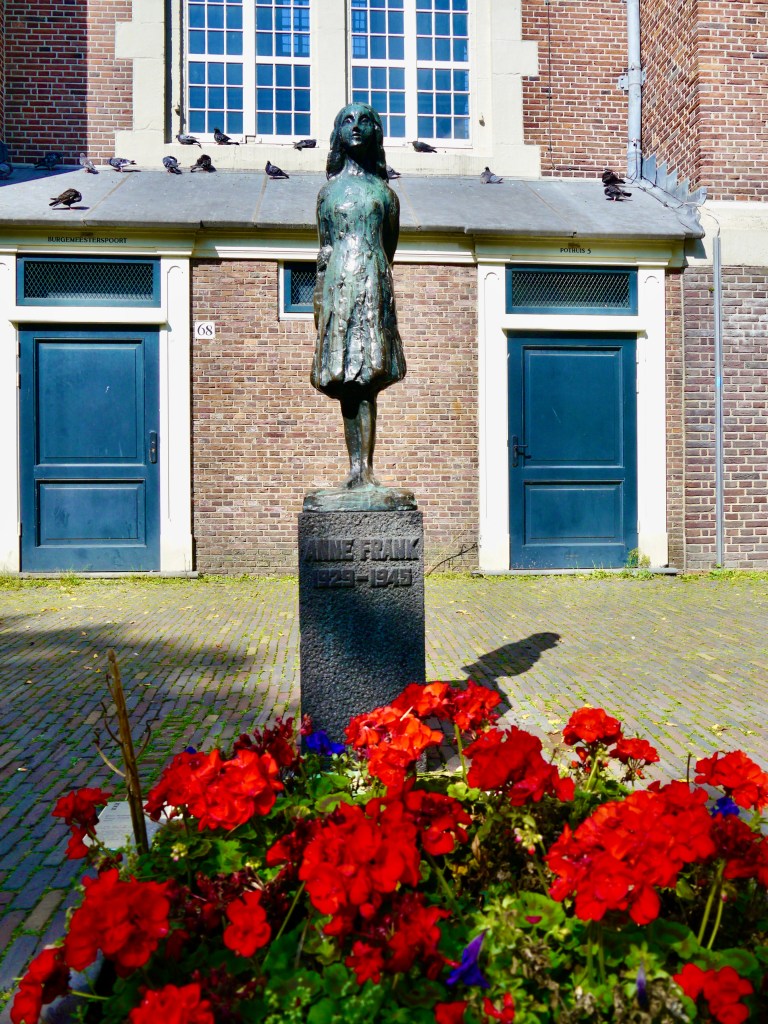
As an adolescent, I read the Dairy of Anne Frank. It had a profound impact on my youthful perspectives of bigotry, politics and fascism, that hold with me today. The Anne Frank Museum is a hard emotional journey through a terrible point in human history. We attended a pre-visit lecture which Conde found too basic. As I listened and looked around the room, it was clear that not everyone knew about the horrific magnitude of Hitler’s regime, enabled by many other countries, and the attempt to exterminate not only Jews, but many other “less than perfect” humans. The impact from Anne Frank’s perspective, as told in her diary, had (has) a profound impact on a world-wide understanding of WWII and its horrors and cannot be understated.
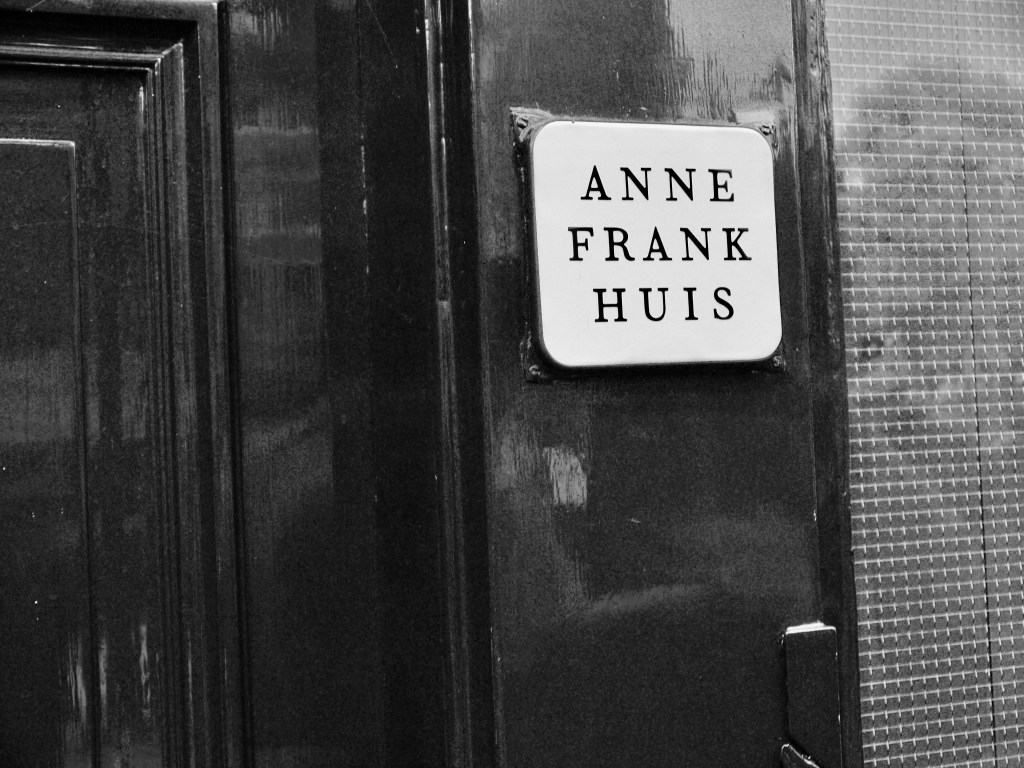
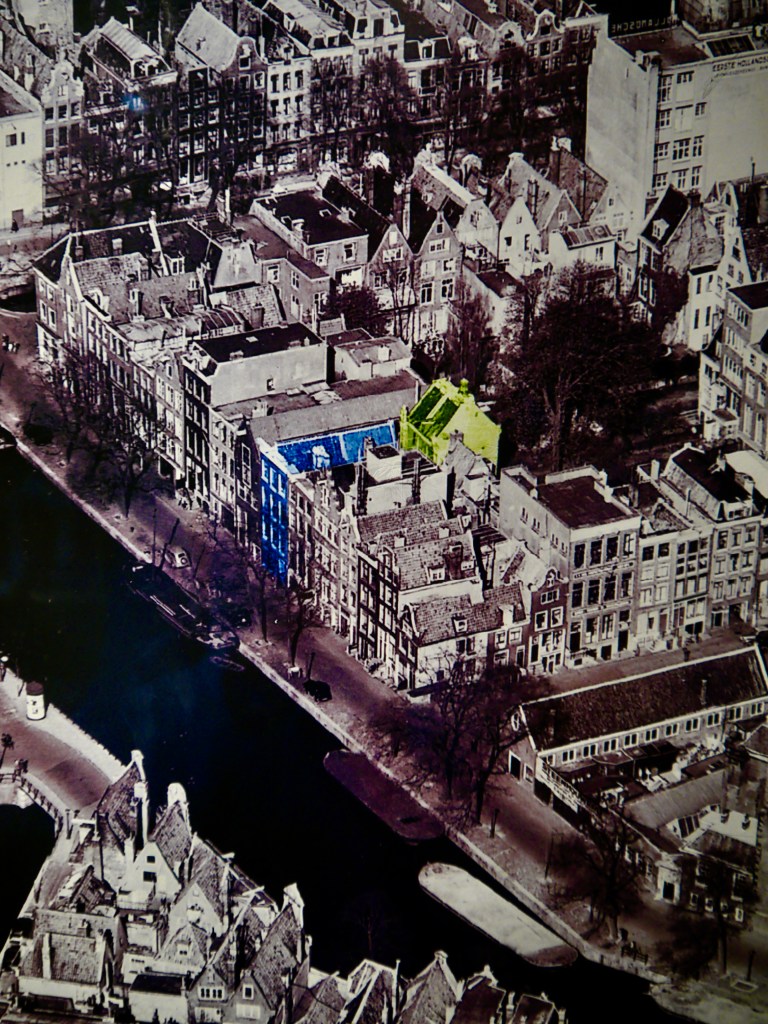
The museum is in the home where Anne, her family, and cohorts hid for two years to avoid discovery by the Nazis. Little has been changed in the spaces. No cameras allowed, as visitors file through the spaces. I really appreciated this. No focus (pun intended) on capturing images. Each visitor is given a head phone, in their native language. As people slowly moved through the spaces, no one talked. The only noises, the sounds of feet, occasional coughs and the soft background murmurs from the multiple electronic guides. The emotion and pain were palpable. Some visitors shed tears. The story of Anne Frank and her family, their move into hiding and the untimely murder, in concentration camps, of her mother, sister, and Anne slowly unfold during the tour. While incredibly painful, the Anne Frank Museum is a must. To be in that physical space rehearing Anne’s story and her father’s voice, make it very real. It is a stark reminder of our need to be ever vigilant.
We cannot change what happened anymore. The only thing we can do is to learn from the past and to realise what discrimination and persecution of innocent people means. Otto Frank, 1970

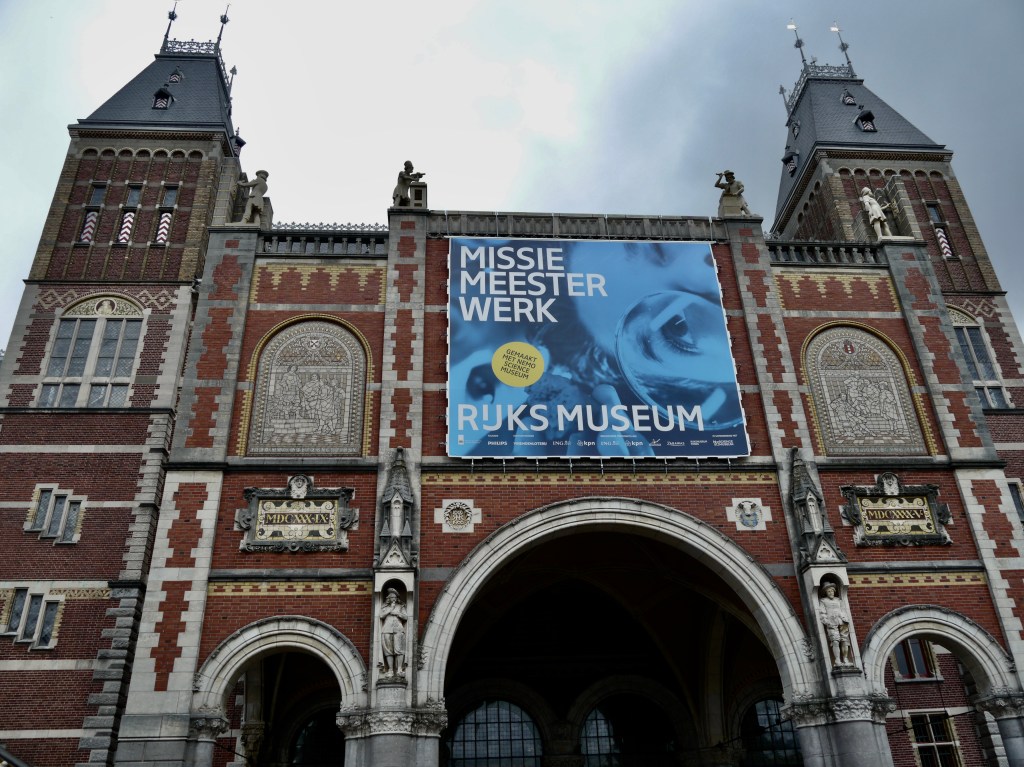
The Rijksmuseum is spectacular. A great collection of the Dutch masters including Vermeer, Rembrandt, Hals, and Steen are part of collection. The museum was founded in The Hague in 1798 and moved to Amsterdam in 1808. It is currently housed in an ornate building designed by Pierre Cuypers, who also designed the Amsterdam Central Train Station. Rijksmuseum was opened in its current location in 1885. The exhibits meander from floor to floor in different wings. There are elevators, if you can find them. Otherwise, staircases abound and a site map is essential. I loved the mystery of trying to find a collection, slipping through side passages and climbing / descending massive staircases. If you are into your Fitbit steps, you’ll ace this one.

We arrived at our appointed entry time rushed, almost late, hungry and under caffeinated. Fortification was required. We visited the museum cafe, snagging a table overlooking the massive pillared entryway. The cafe had a wonderful strong brewed French press and the most beautiful yogurt granola dish I have ever eaten. An auspicious beginning to a delightful day.

The Cuypers Library is housed in the Rijksmuseum and reputed to be the largest and oldest art history library in the Netherlands. It is open to the public for research purposes and to delve deeper into the Rijksmuseum collection. What a great venue to lose oneself in research.
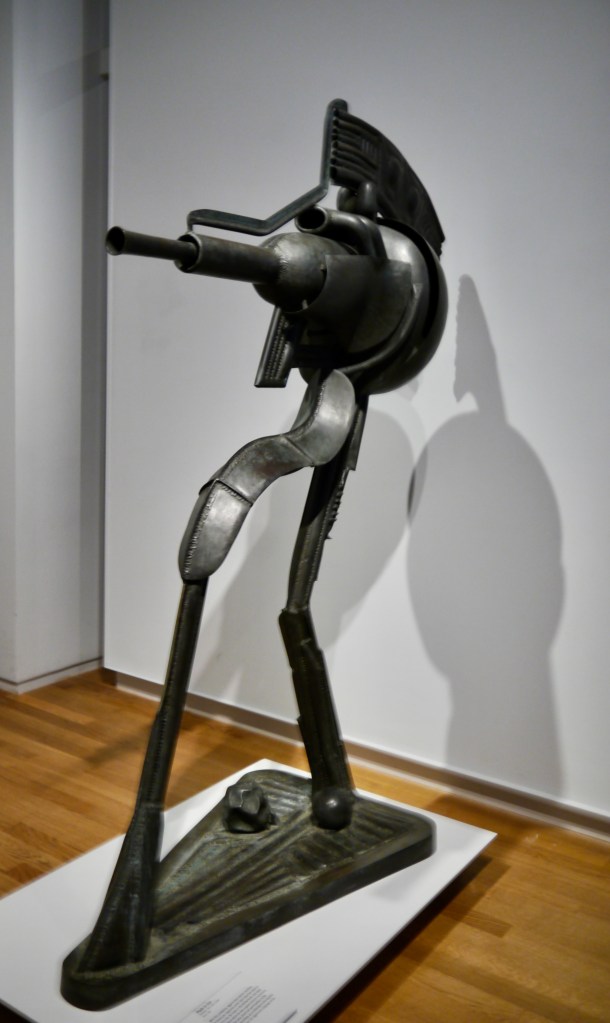
Even with a museum map, finding the modern section was challenging. After locating a well hidden foyer leading to a wide wending marble staircase and climbing to a 4th floor wing, I achieved my goal. The collection was small, but powerful. This piece stopped me. The ID plaque reads: Made in USA by Shinkichi Tajiri (1923-2009) brass, 1964. With this predatory, aggressively-potent machine, American-Japanese artist Tajiri depicted violence. He lived in the Netherlands, but made the sculpture when he was a guest lecturer in 1964. In the year, American participation in the Vietnam War intensified, as is reflected in this freakish figure, which conveys the aggressive language of the machine gun.
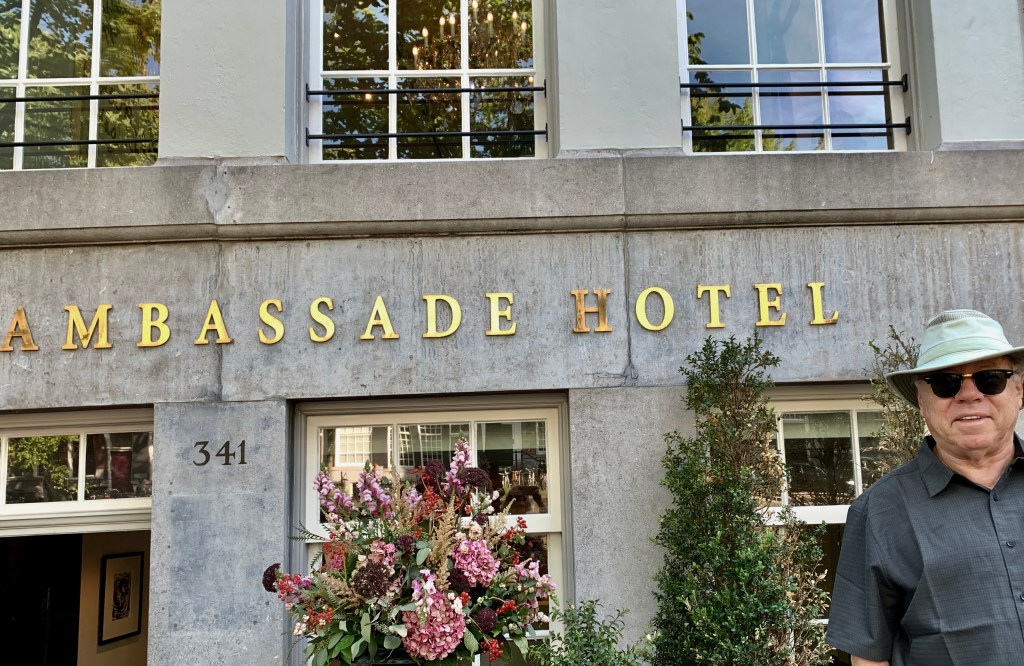
While in Amsterdam we stayed at the Ambassade Hotel. What a treat! The hotel is comprised of fifteen historic UNESCO-canal houses, now interconnected. Most rooms face the “Herengracht” canal. The others overlook the Singelgracht canal. And, it has a wonderful restaurant.
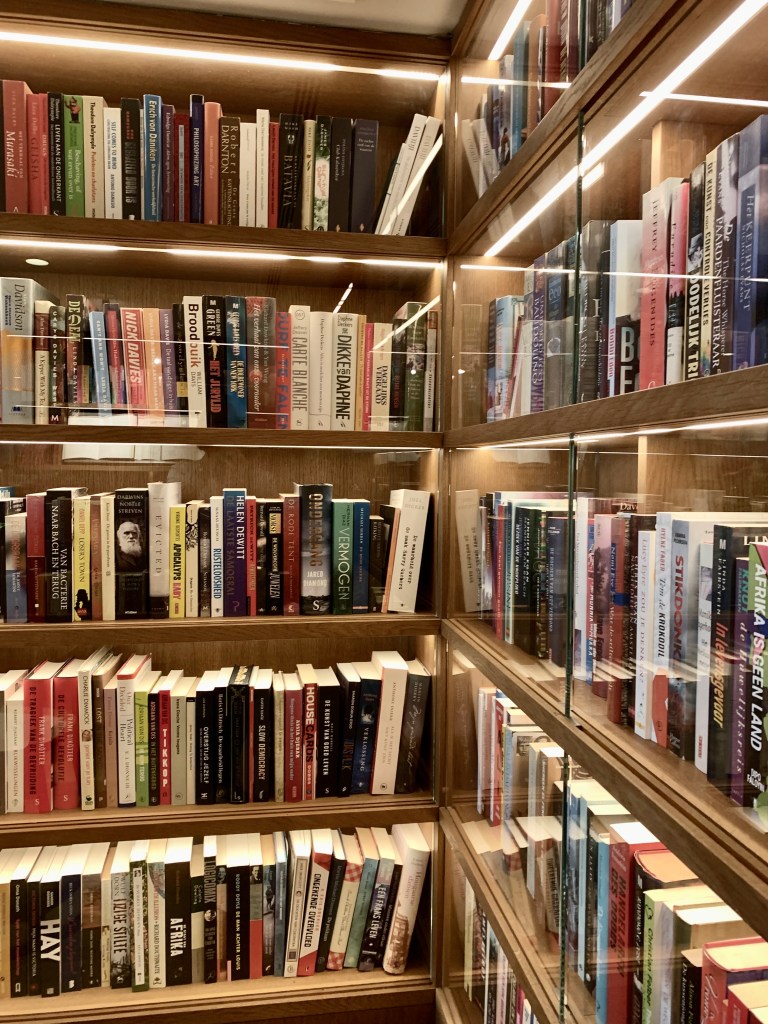
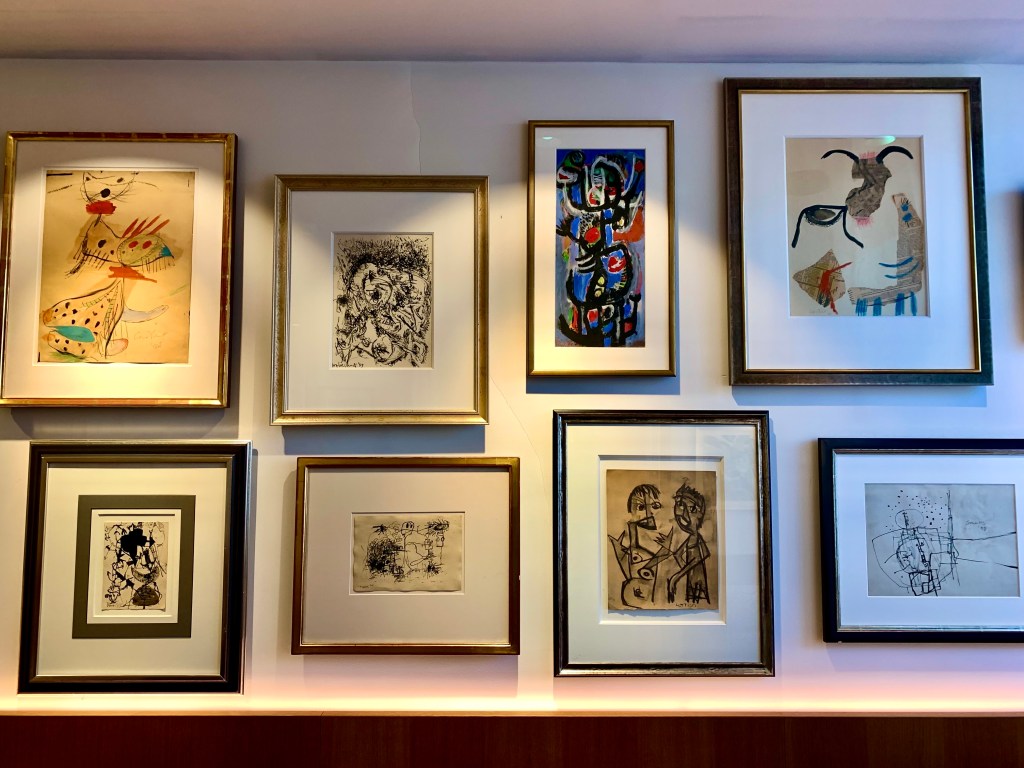
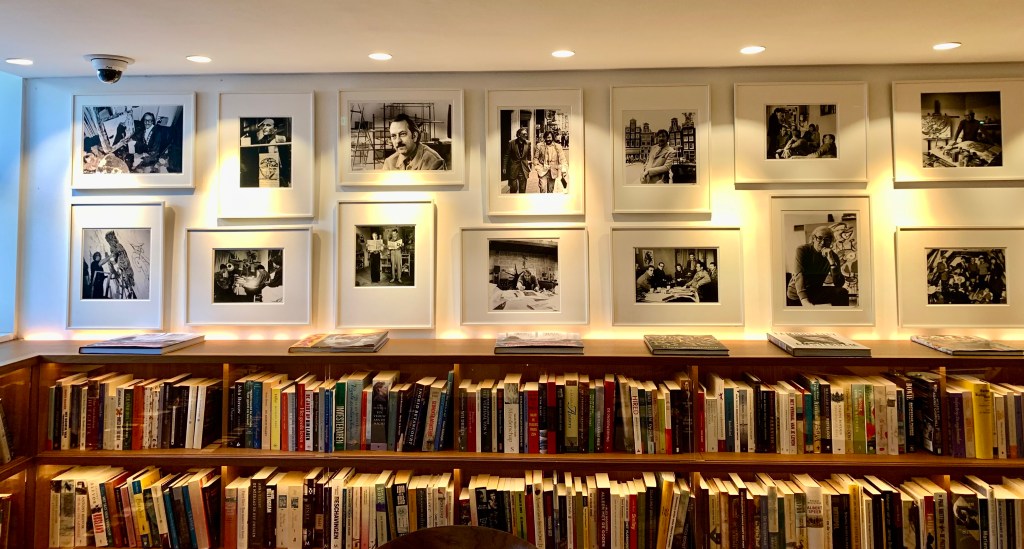
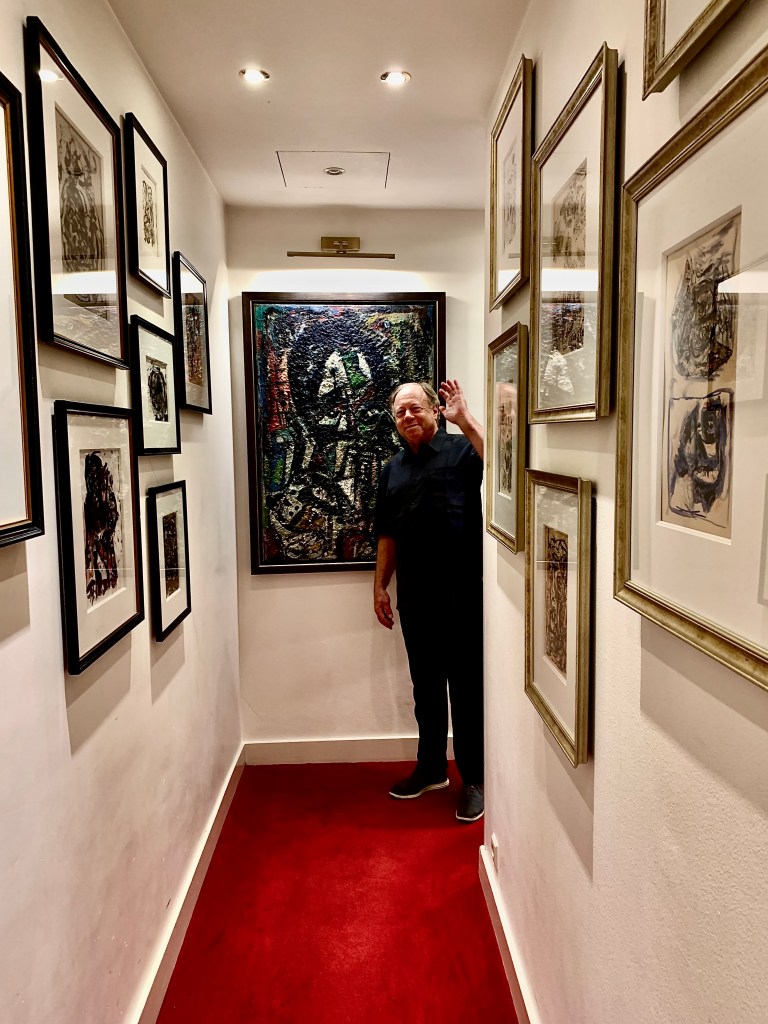
The Ambassade is filled with Cobra art; a post-war art movement in Europe. Artists include Asger Jorn, Pierre Alechinsky and Karel Appel. Okay, I wasn’t familiar with them before our visit. The hotel also sports some late 19th-century works from the Amsterdam Impressionists movement including Isaac Israëls and George Hendrik Breitner. The Library Bar is literally lined with a collection of more than 5,000 signed books from authors around the world. The Ambassade is where many authors stay when rolling out Dutch versions of their work.
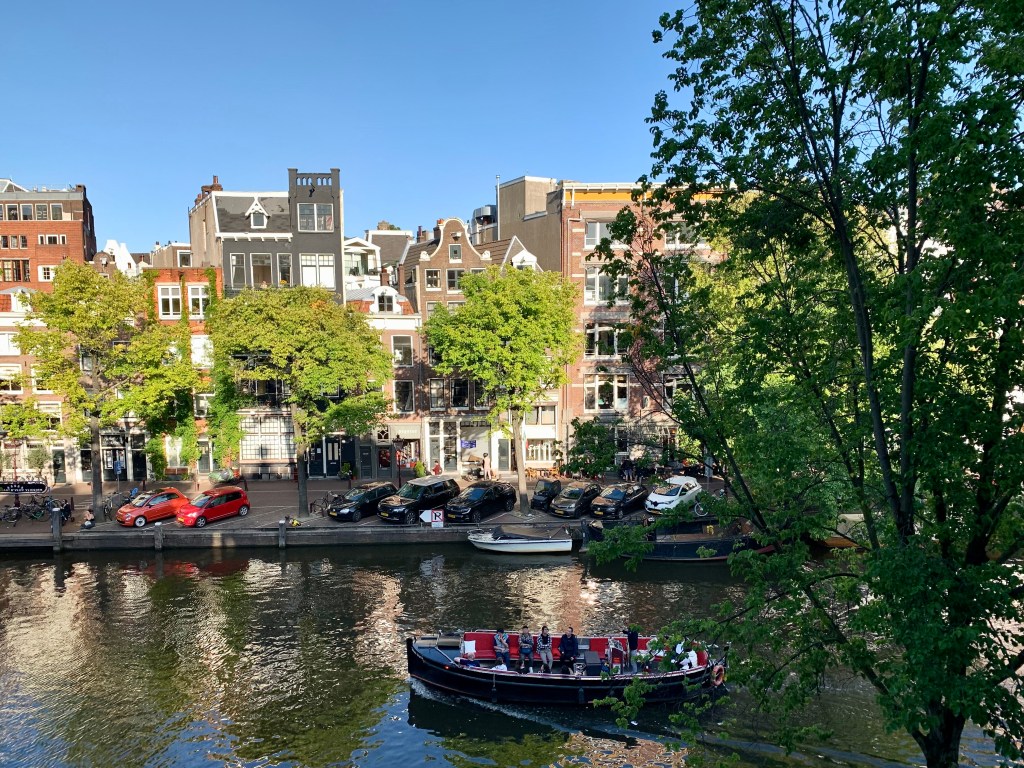
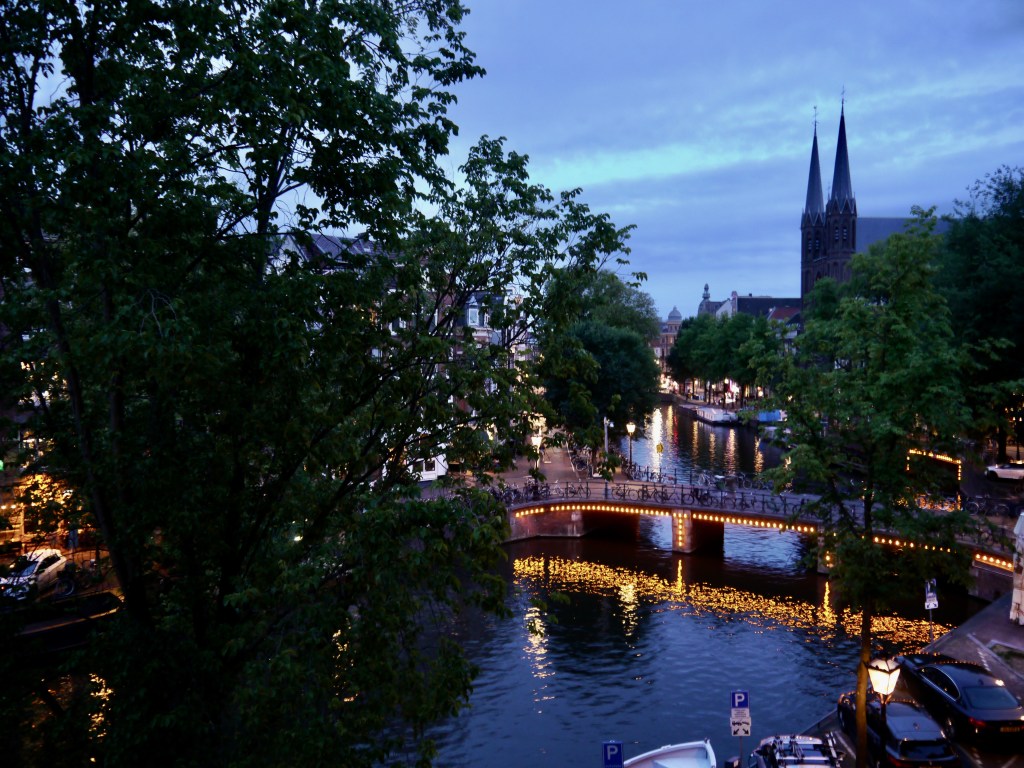
We overlooked Singelgracht canal. Tour boats passed by the dozens. Most were larger, enclosed and filled with bored looking passengers. When I saw a smaller tour boat pass, with about 10 passengers, I called and booked a sunset cruise.
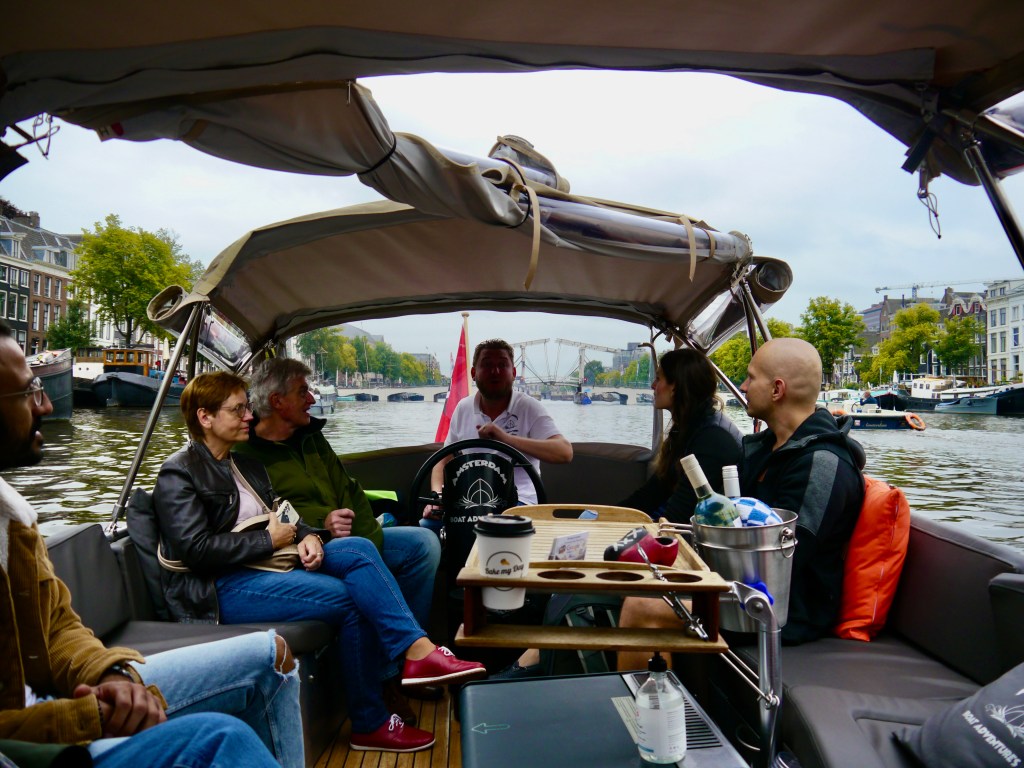
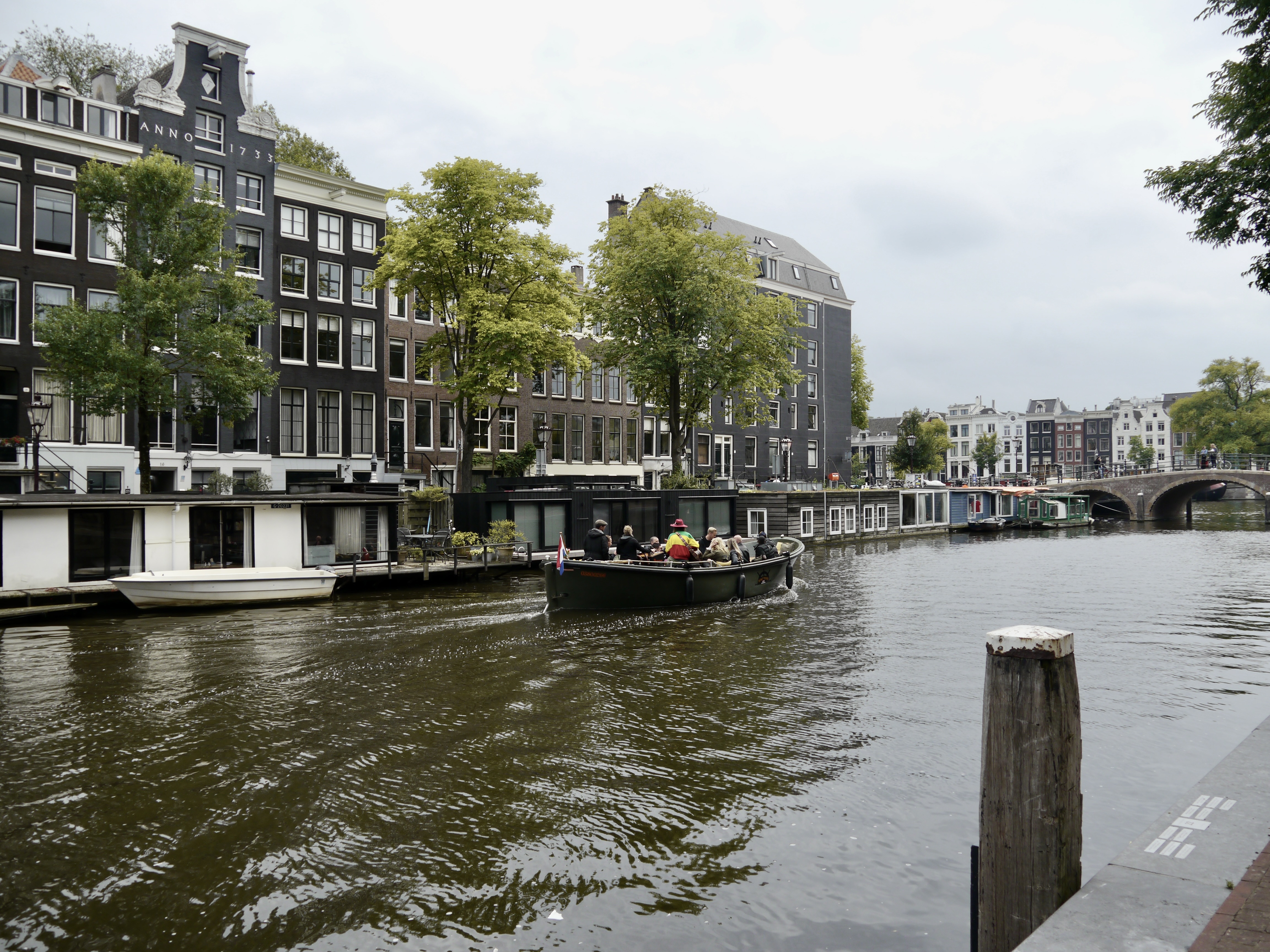
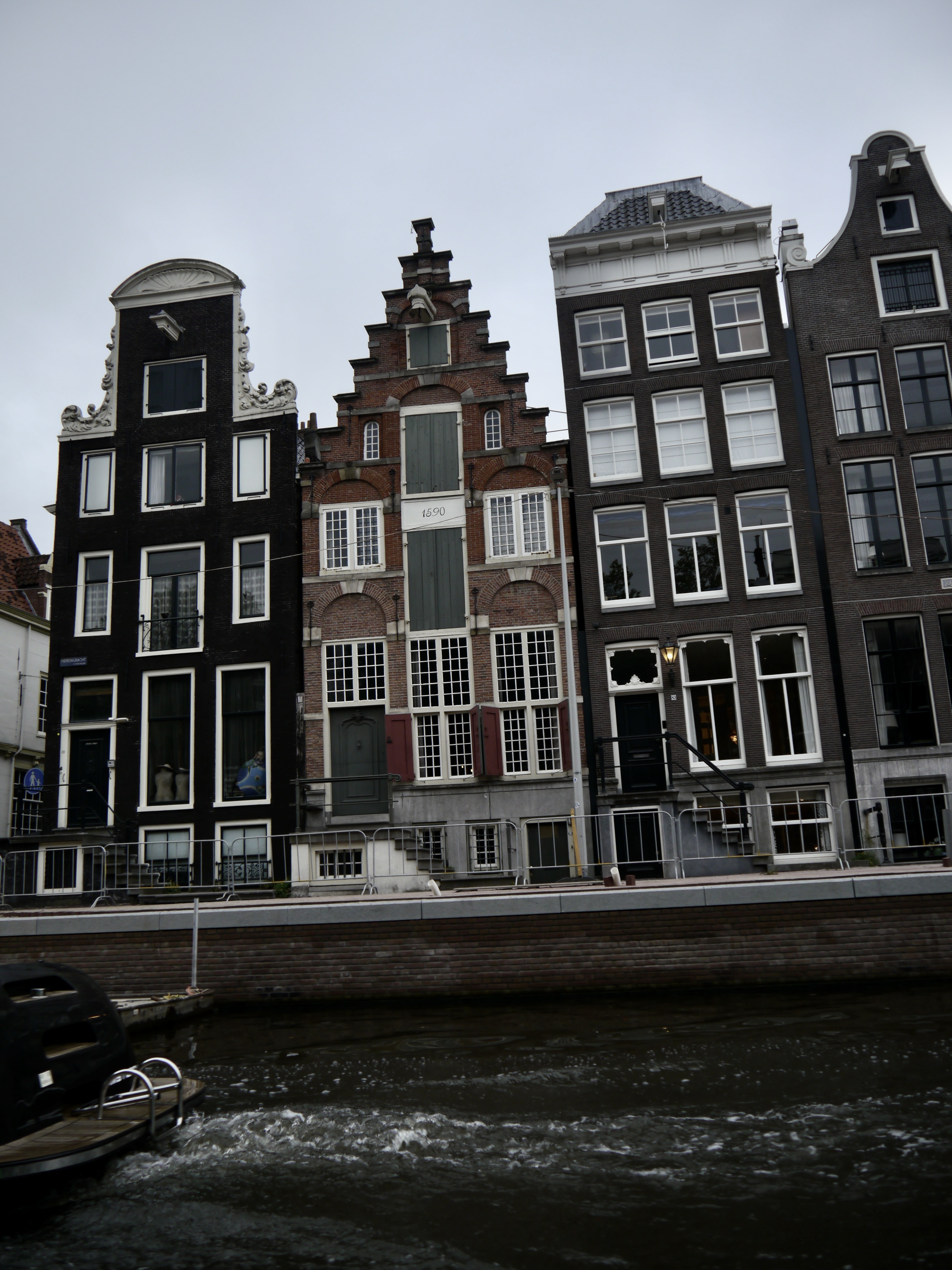
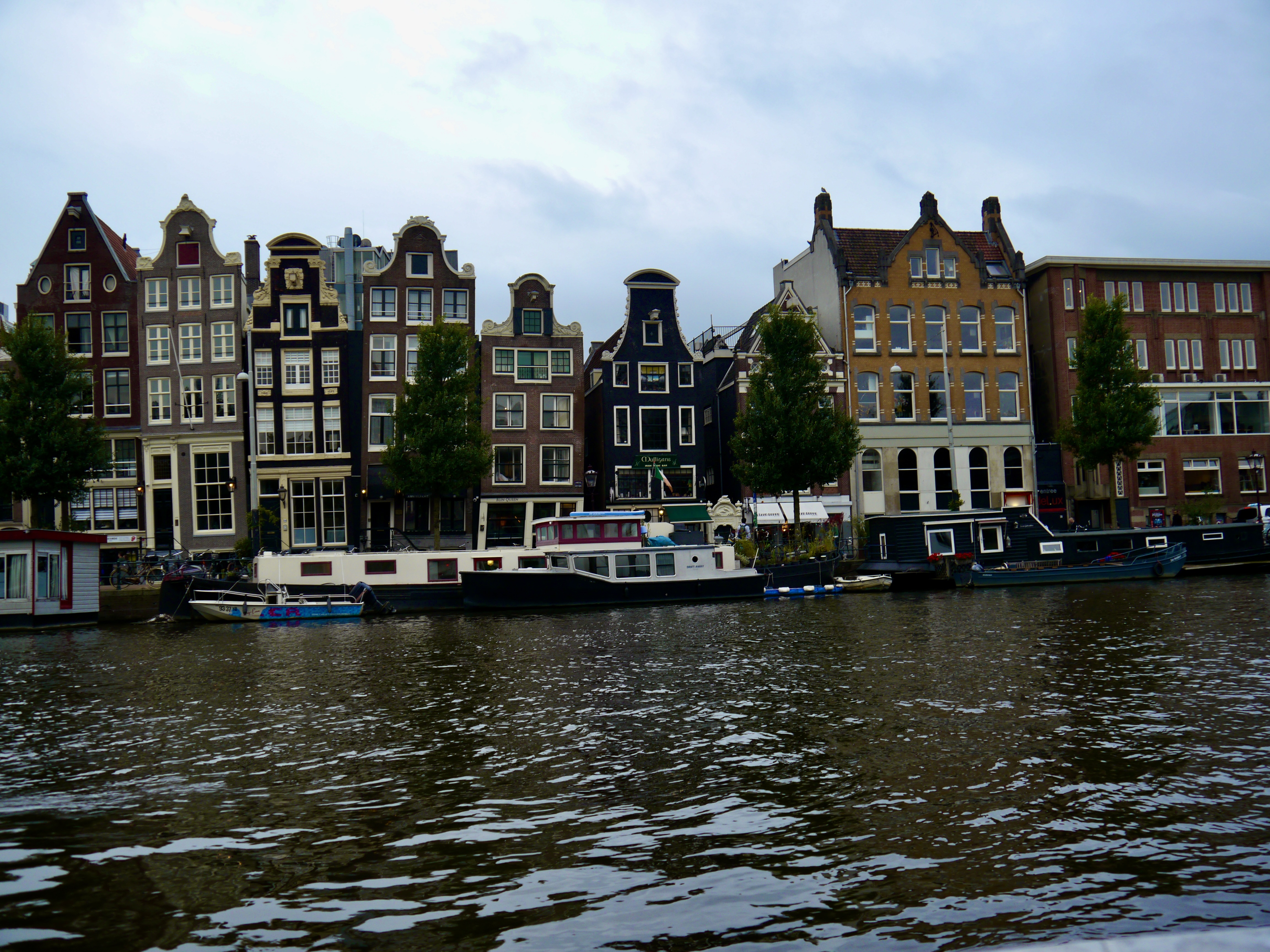
Our fellow passengers were from the Czech Republic, Egypt and the US. The captain, well-versed in historical factoids. Unfortunately, rain was predicted and indeed began to fall 3/4 of the way through the cruise. We scrambled to put up cover, but wound up wet anyway. But, spirts weren’t dampened. The canals aren’t just for tourists. There are more than 2,500 houseboats docked for long term living. Some can be rented on VRBO. On pretty days, whole families, including dogs, can be seen canal cruising. Amsterdam was founded in about 1275 and the canals dug in around year 1380. Barges filled with goods would be shipped from the sea and then towed through canals to destination. Roped horses pulled the barges on both sides of a canal. Ancient hooks to enable the barges to be released from the horses and pulled under bridges still exist. Goods were hoisted by rope connected to upper floors in the buildings. Thus, the intentional slant of architecture. This tilt kept swinging loads from colliding into the structures.



At one time, Amsterdam city leaders touted legal marijuana and legalized sex workers in a big campaign to increase tourism. Their sales pitch was so successful, the city is now trying to rein in the influx of party-hardy souls with a “Stay Away” campaign. Limits have been placed on vacation rentals and the new campaign says, “if you’re coming to party, don’t.” The 800 year old sex district is active and an integral part of the city’s culture. Visitors are encouraged to respect legal sex workers and photos of the workers are prohibited to protect privacy.
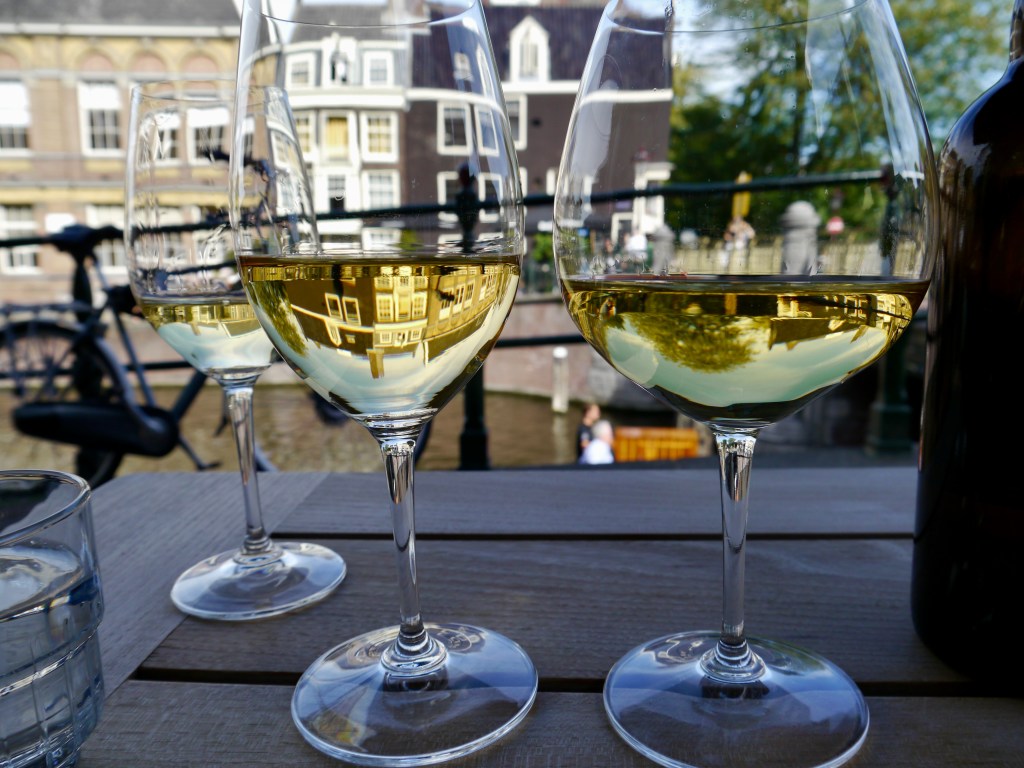
The food and beverage industry in Amsterdam is stellar. I’m not a beer drinker, so can’t address that. I will say that Conde loved the beer and we didn’t experience any shortage of great fresh food and wine. Places to enjoy sitting outside and watching life pass, while sipping a beverage and having a nosh are everywhere.

Trains are the perfect way to travel in region. Quiet. Clean. Reasonably priced and very efficient. Traveling on…
The Hague
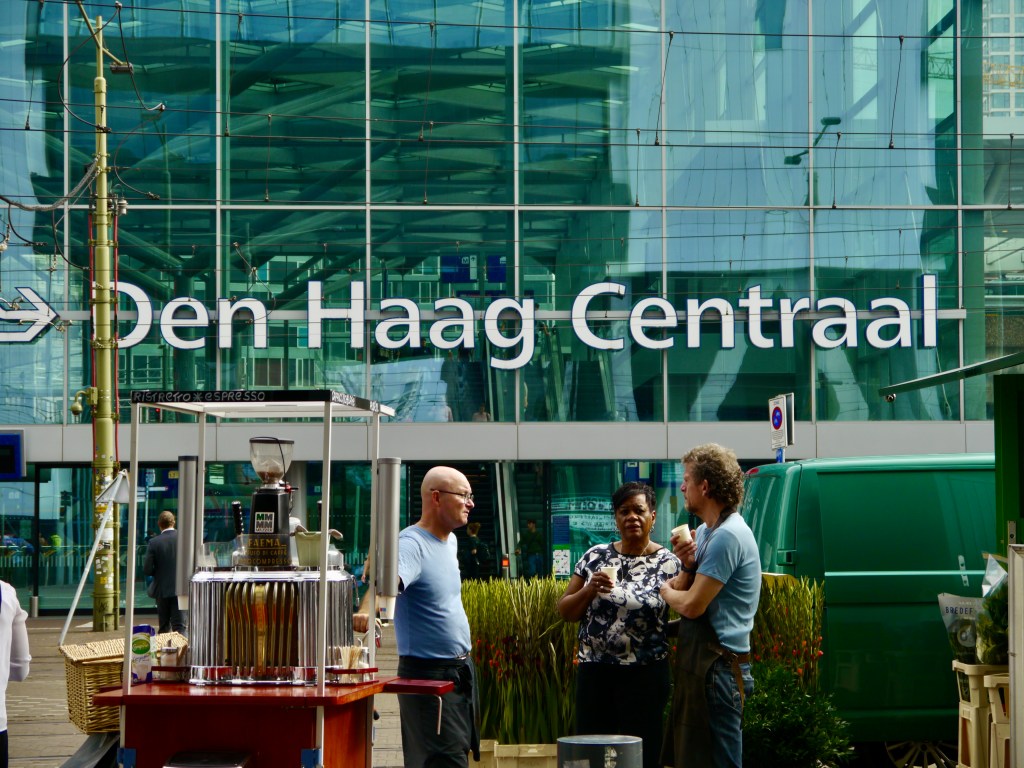
While Amsterdam is the country’s constitutional capital, The Hague has been Netherlands seat of government since 1588. Rick Steve’s travel book says, “from a sightseeing perspective, The Hague is a one-trick pony,” referencing The Mauritshuis Arts Museum. I’m not sure I agree.
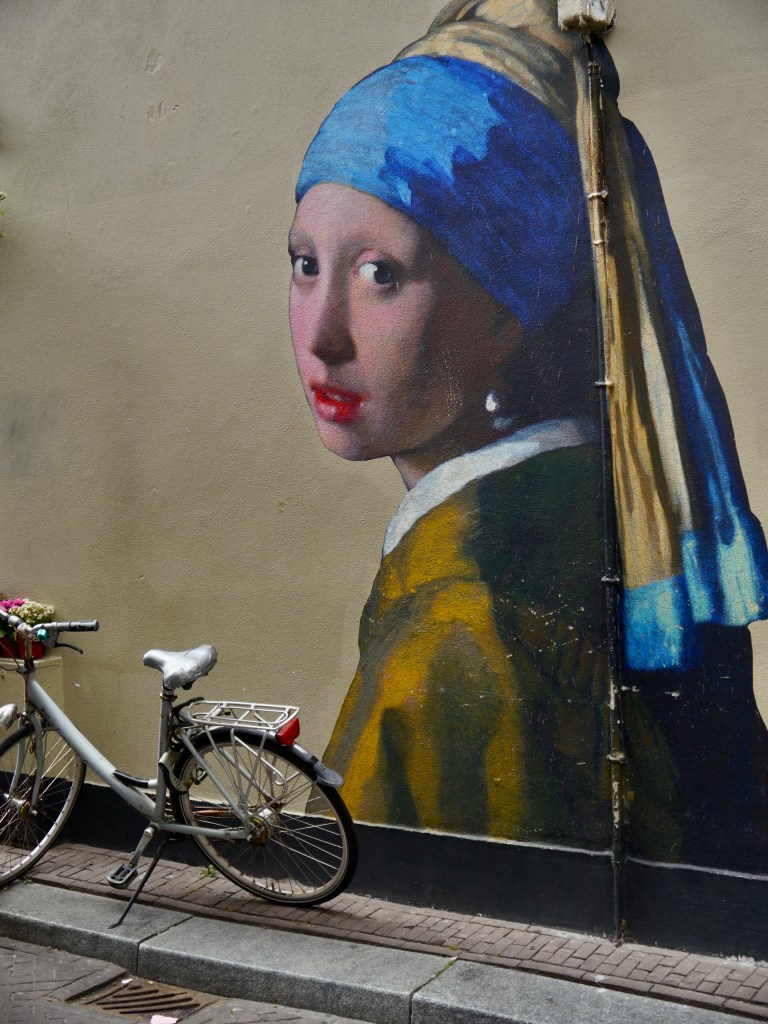
The Mauritshuis is indeed impressive. Vermeer’s Girl with a Pearl Earring is a component of the permanent collection. Like so many famous art pieces, it is surprisingly small, sized at 17.5 in x 15 in. The museum, filled with Dutch masters (and mistresses) artists include Rembrandt, Hals, Steen, Fabritius, Veemeer, Van Dyck and many more. The Mauritshuis was built in the seventeenth century as a private residence (huis) for Count Johan Maurits, thus its name. Since 1822 it has been a museum. I found the opulent structure and lighting to be a distraction from the impressive collection.
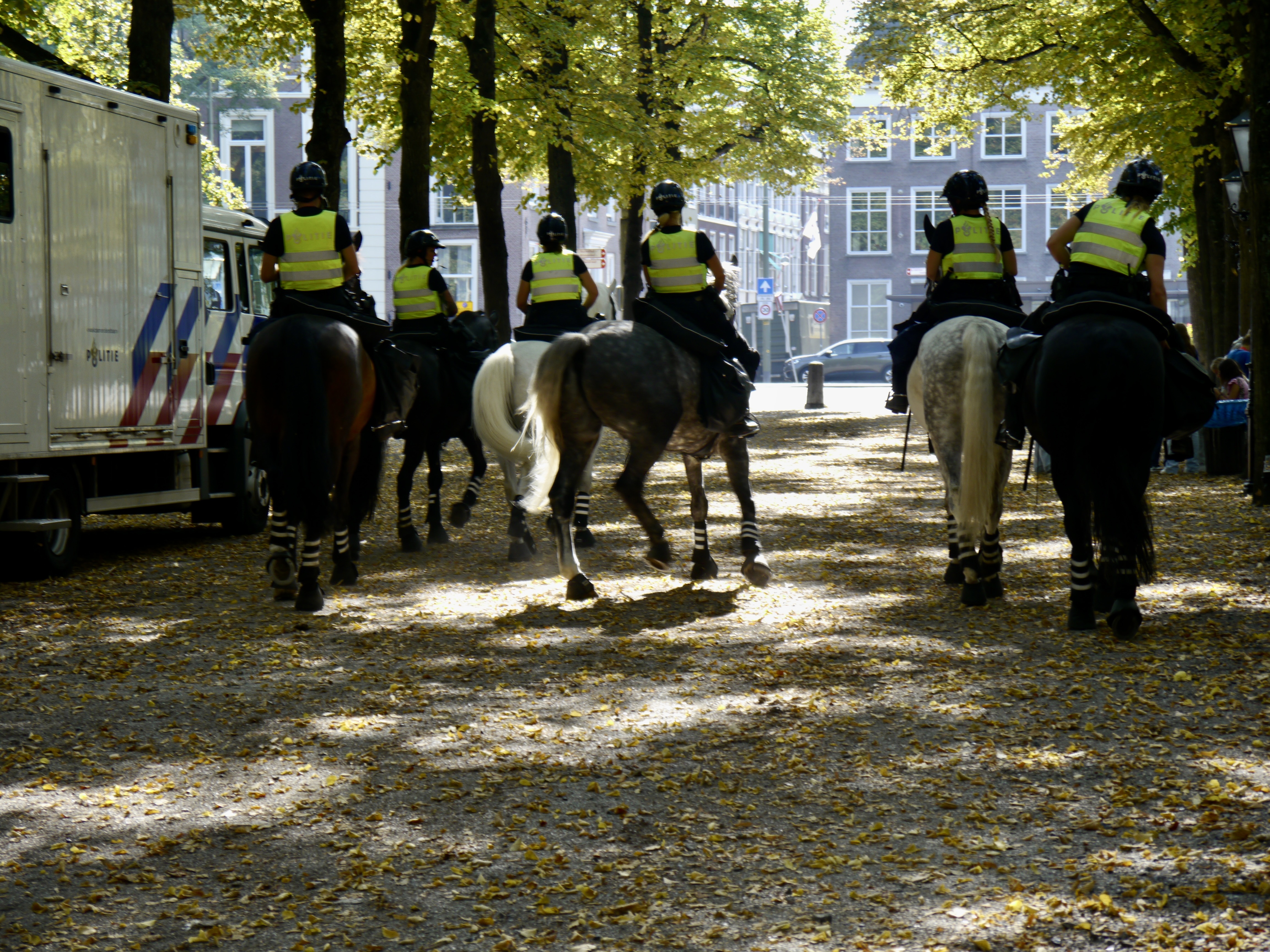

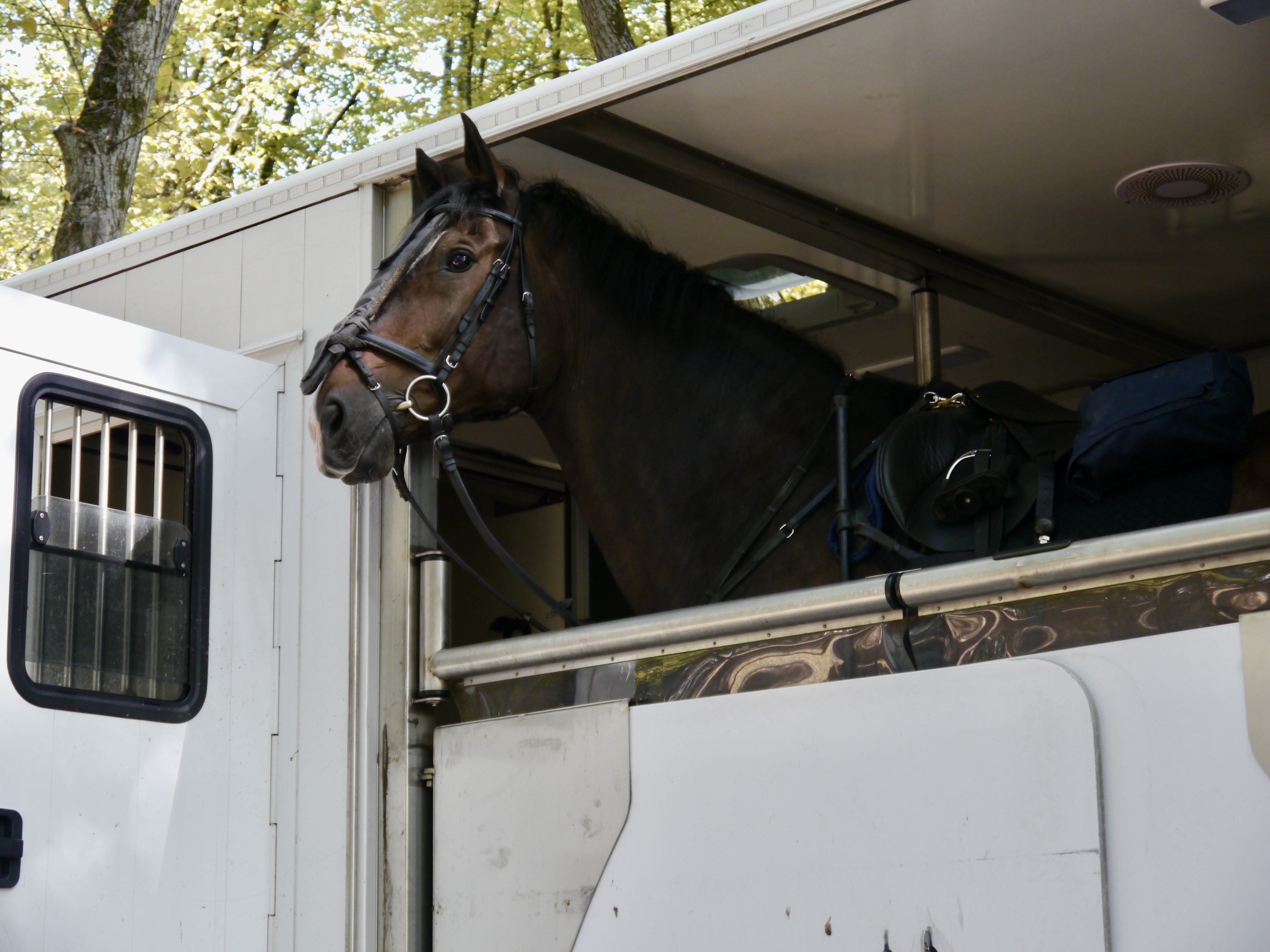
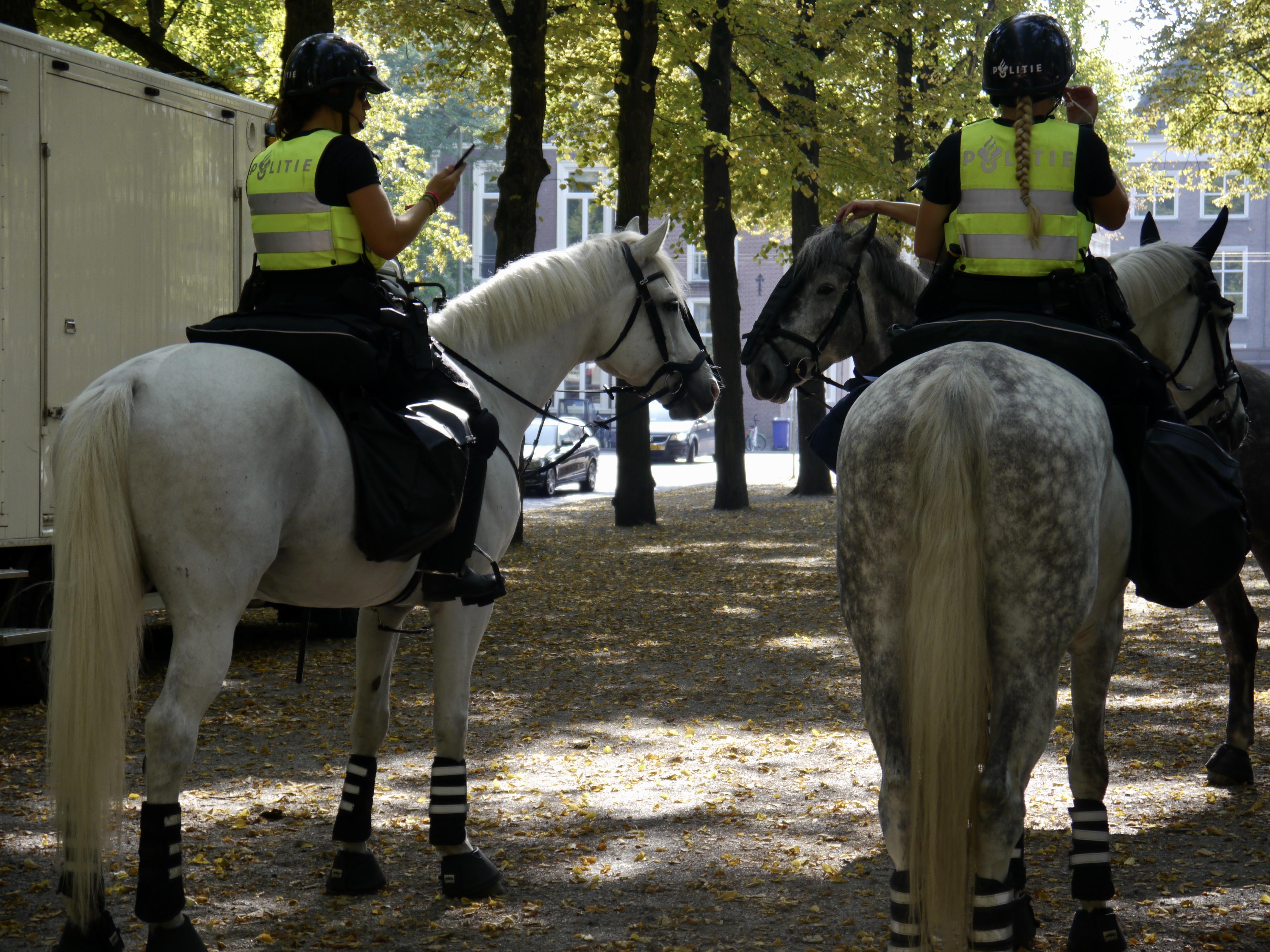
The Hague is a good place to wander. Cars and trucks are restricted in the inner city, replaced by electric street cars, bicycles, motor bikes, and pedestrians. Unlike Amsterdam pedestrians are, mostly, given right-of-way. We were wandering in a park near the city center and happened upon a group of police officers preparing for horse patrol. A couple of young teenage boys were admiring the horses. When I walked up to take some photos, they struck up a conversation, asking, in English, whether I liked horses. They presumed I was British. They were very curious about the US, until a bevy of young girls showed up. The girls giggled and immediately, attention was redirected. Tickled me. Teens are pretty much the same everywhere.
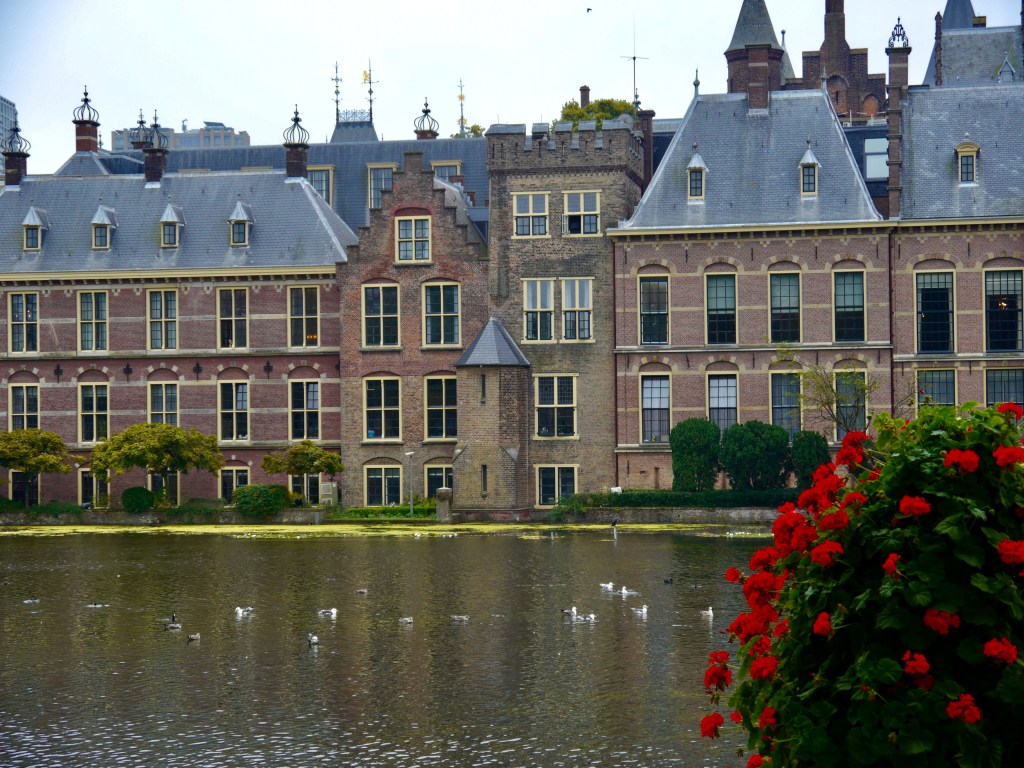
We had hoped to be able to tour some of the government houses, such and Parliament, and the Peace Palace, home of the International Court of Justice. They weren’t open to the public when we were there. Just the same, we had a good time. The Hague is a city filled with professional employees. Lunch time at the many outdoor venues host locals dressed for work. The restaurants good. They city safe, lovely and busy. Just not touristy. A good place to go.
Leiden

A short train ride from Amsterdam and The Hague, Leiden is a fun university town with a ~27,000 student population. We spent a full day there. Leiden University is Netherland’s oldest university, a gift from Willem the Silent in 1575 for withstanding Spanish siege, or so the books say. Einstein was a regular professor at the university. Its buildings, old and new, are spread about the city and the energy of college students permeates.
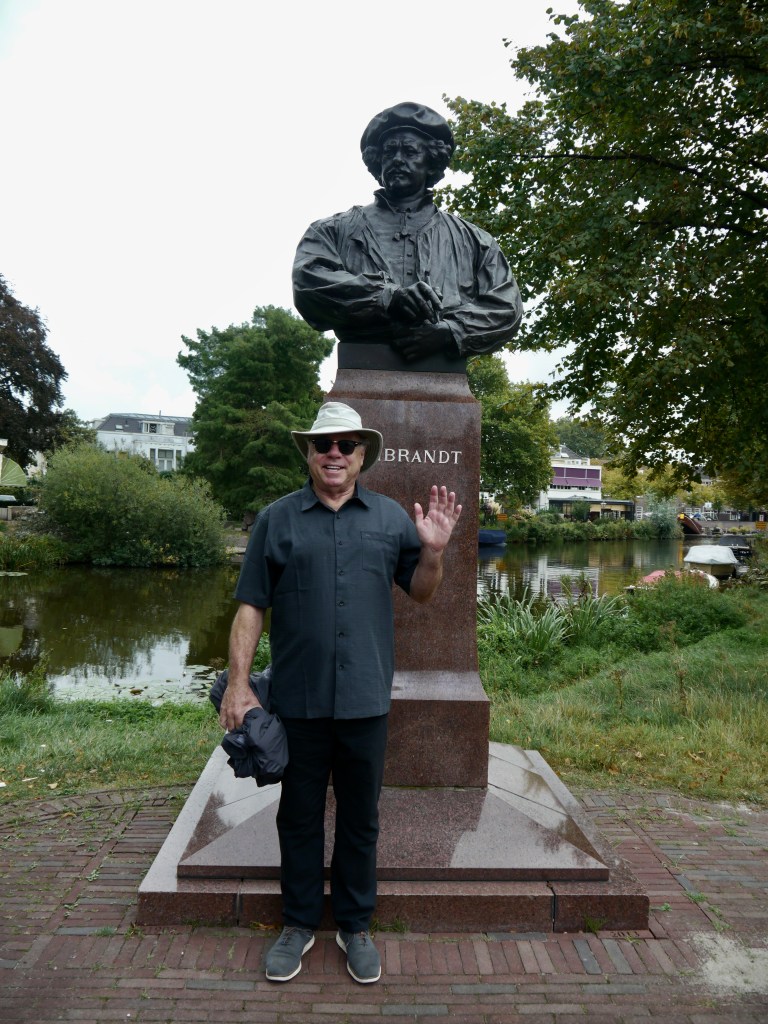

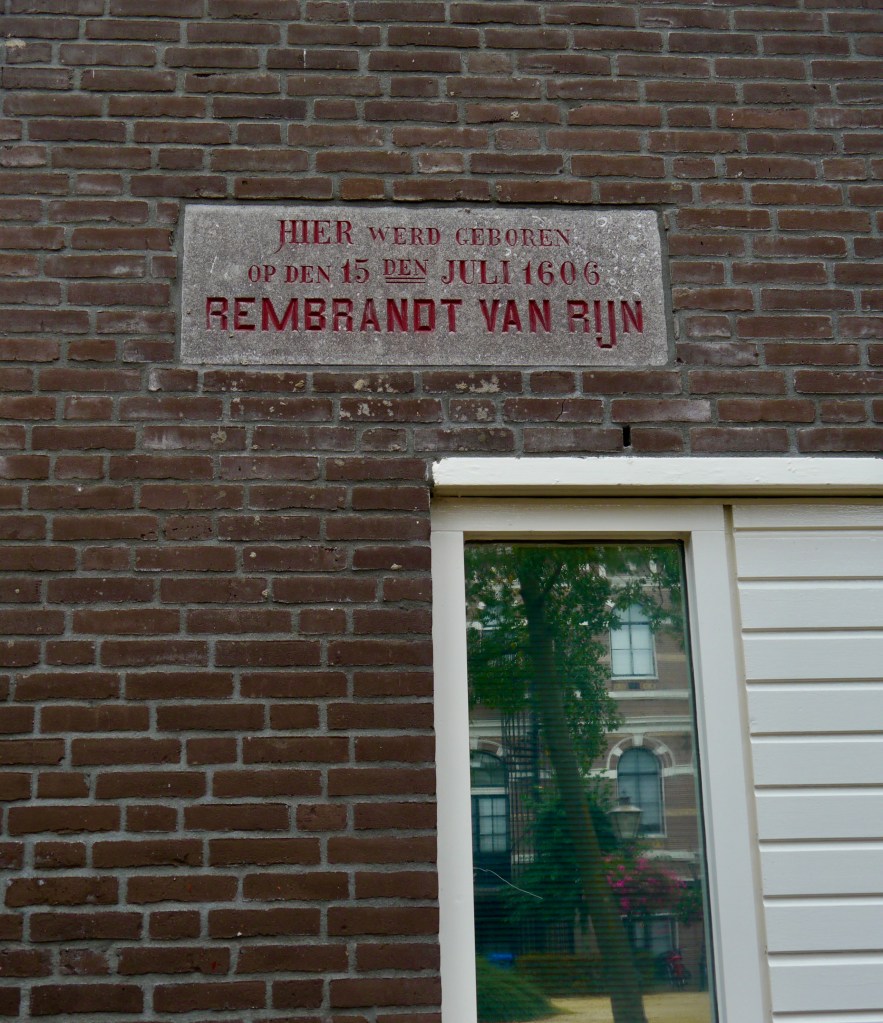
Rembrandt was born in Leiden. And (drum roll…) it is known as the place where the, soon to be, American pilgrims raised money to lease the Mayflower which sailed to new world in 1620. Or so I read.
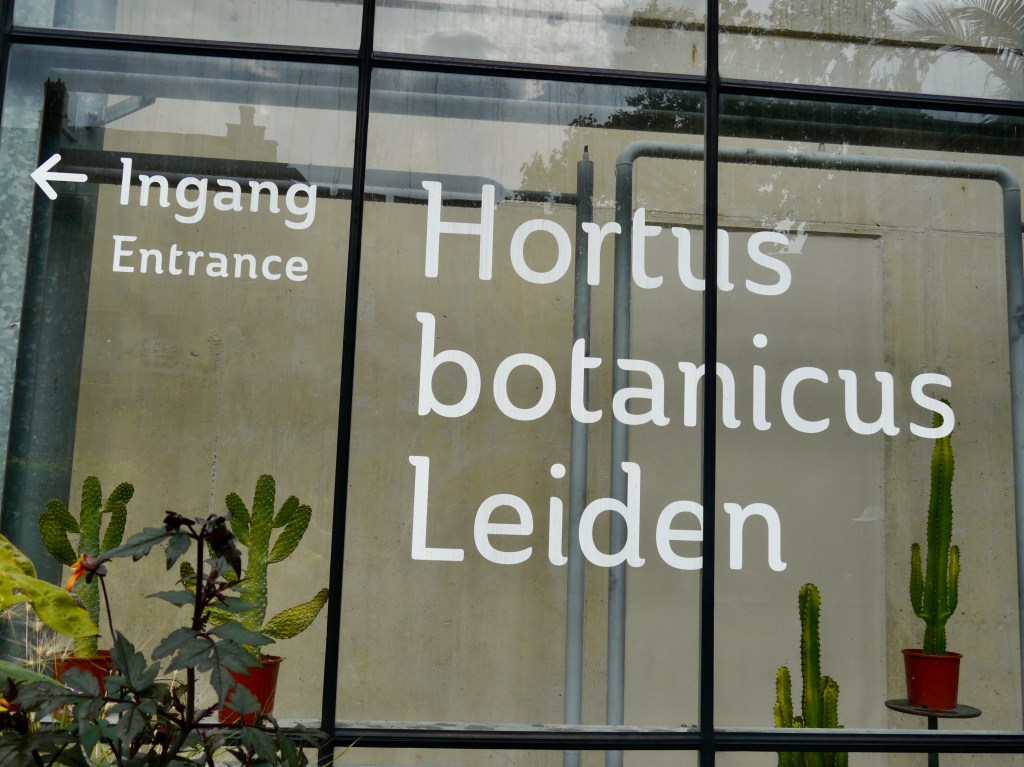
The botanical garden was founded by the university in 1590 and is touted as one of Europe’s oldest. Much of its collection originated from Asia. It has an 18th century Orangery and tropical greenhouse, both constructed in 1938. Carolus Clusius cultivated Europe’s first tulip collections and Philipp Franz von Siebold introduced 700 unknown plants from Japan and China.
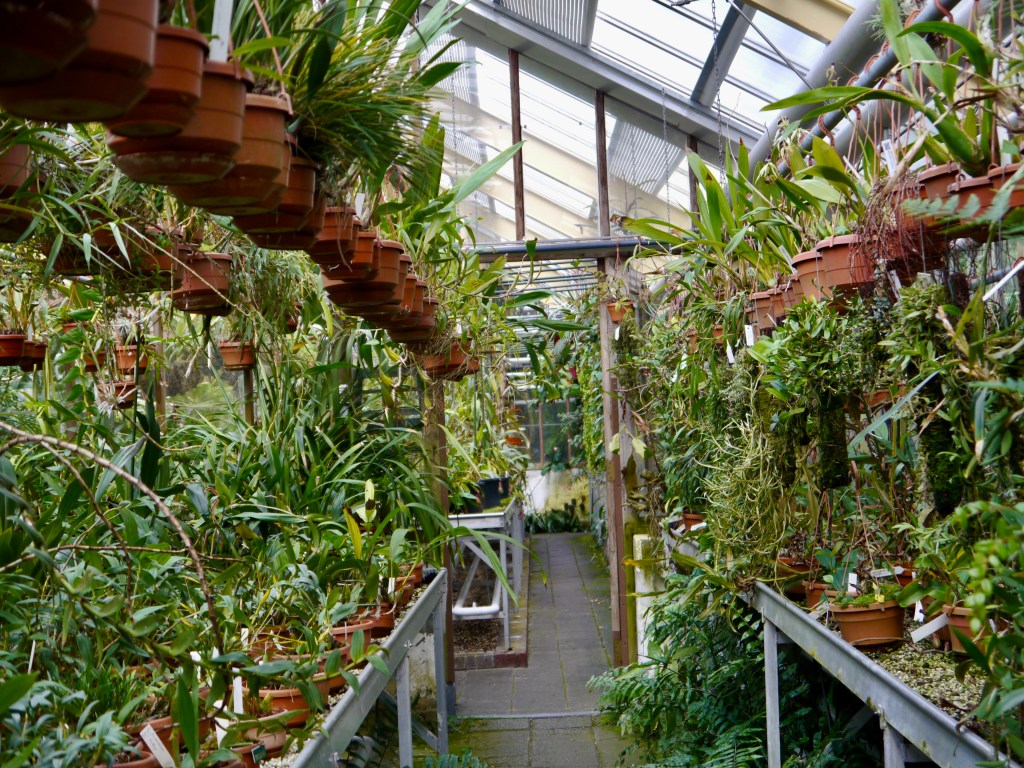
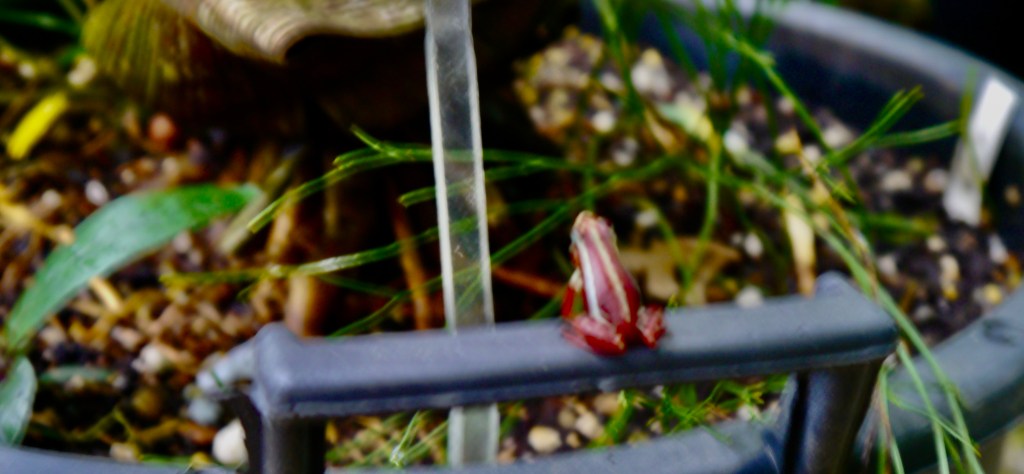
Entering the greenhouses, the heat and humidity were expected. What wasn’t was the cacophony of song, sounding like crickets, but not quite. Conde patiently (yes, Conde) figured it out. The orchestra was comprised of an infinite number of tiny frog, the size of my thumbnail. They are so tiny, my camera couldn’t focus. Still …. adorable and LOUD!
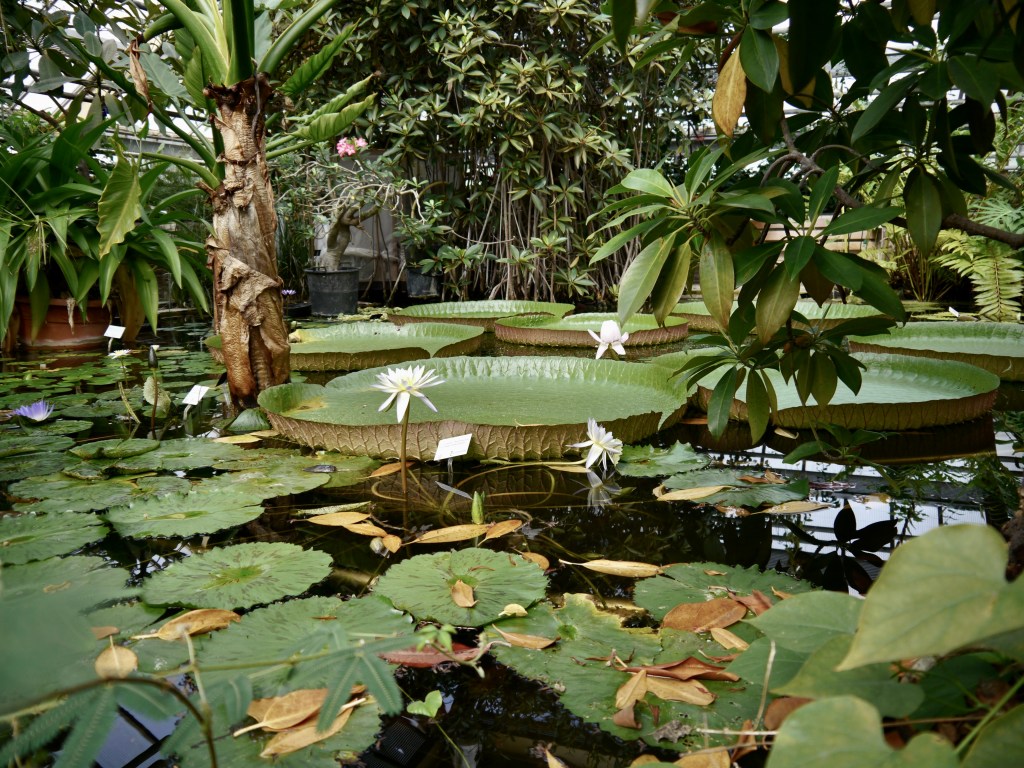
These giant water lilies, Victoria amazonica, are amazing. It flowers almost every week during the summer. The fragrance intense. The leaves of this plant are so big that they can hold a small child. I don’t doubt this claim.
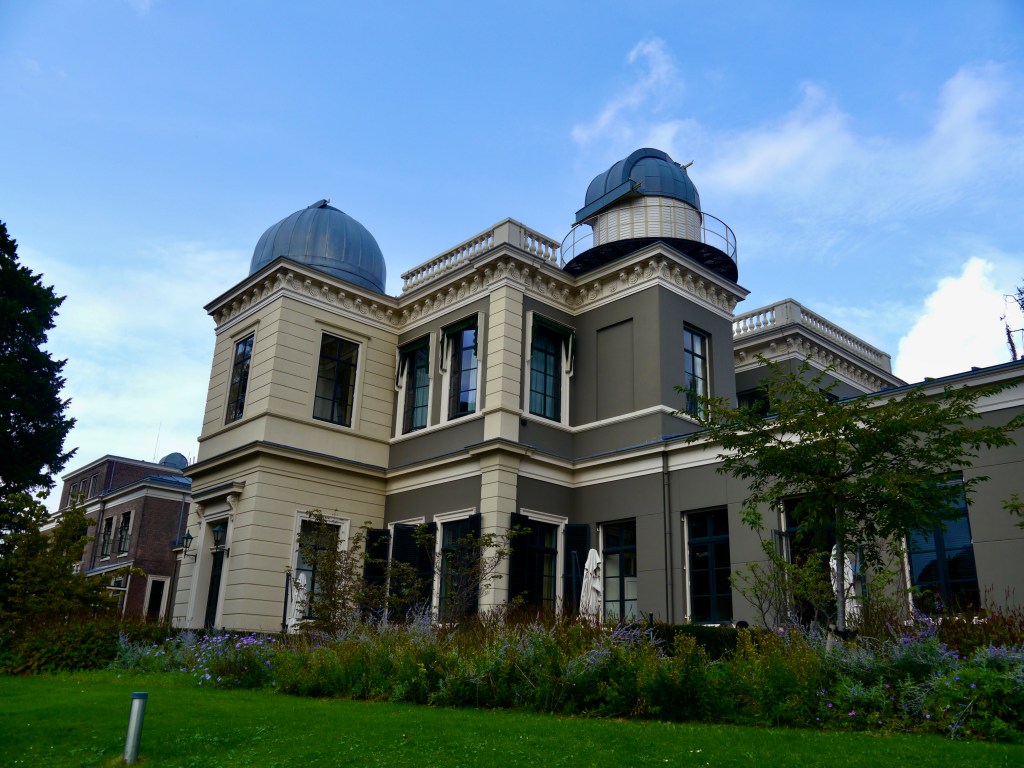
Adjacent to the garden is the Old Sterrewacht, the oldest university observatory in the world. Our tour of this site will happen on our next visit.
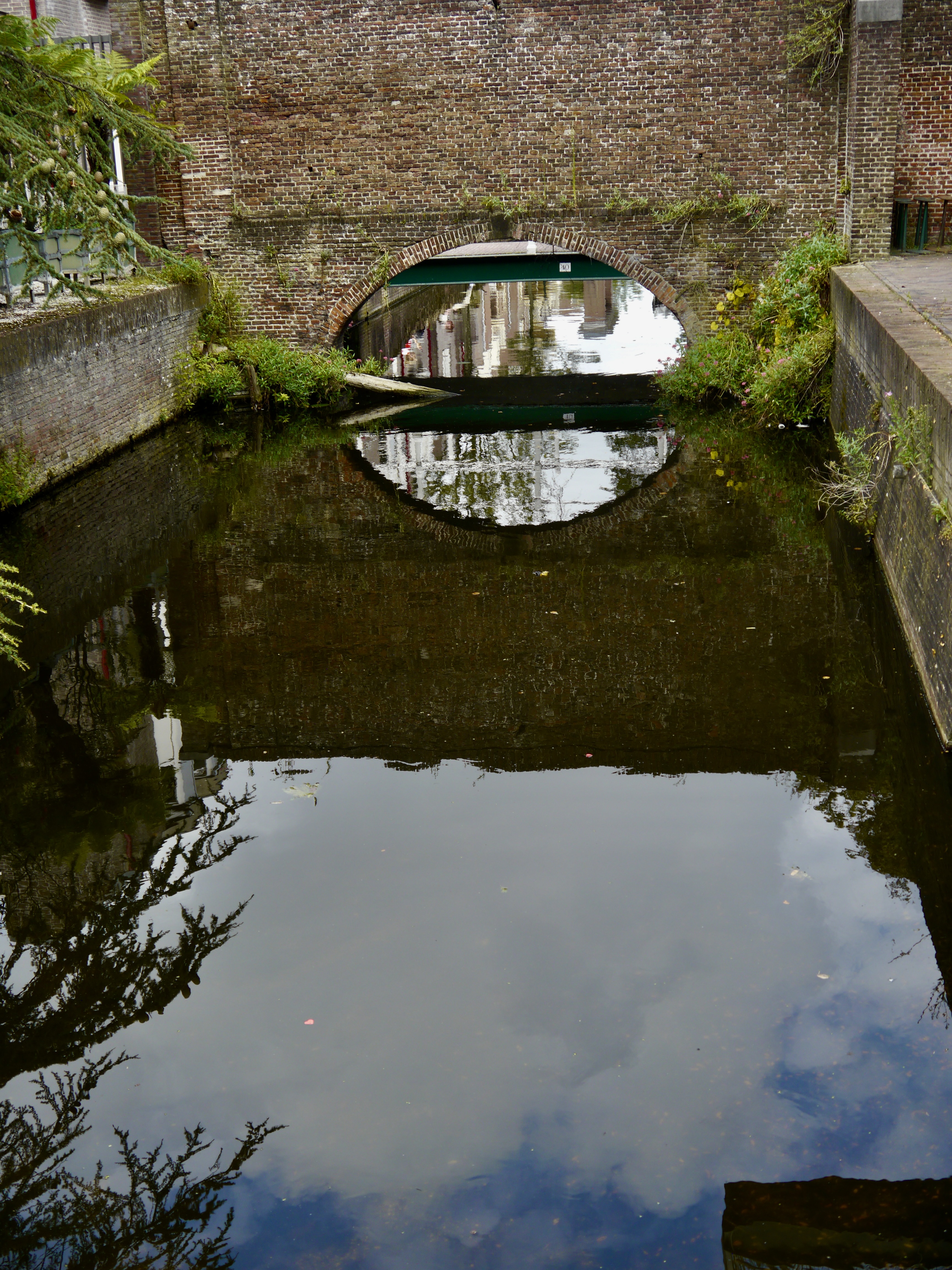
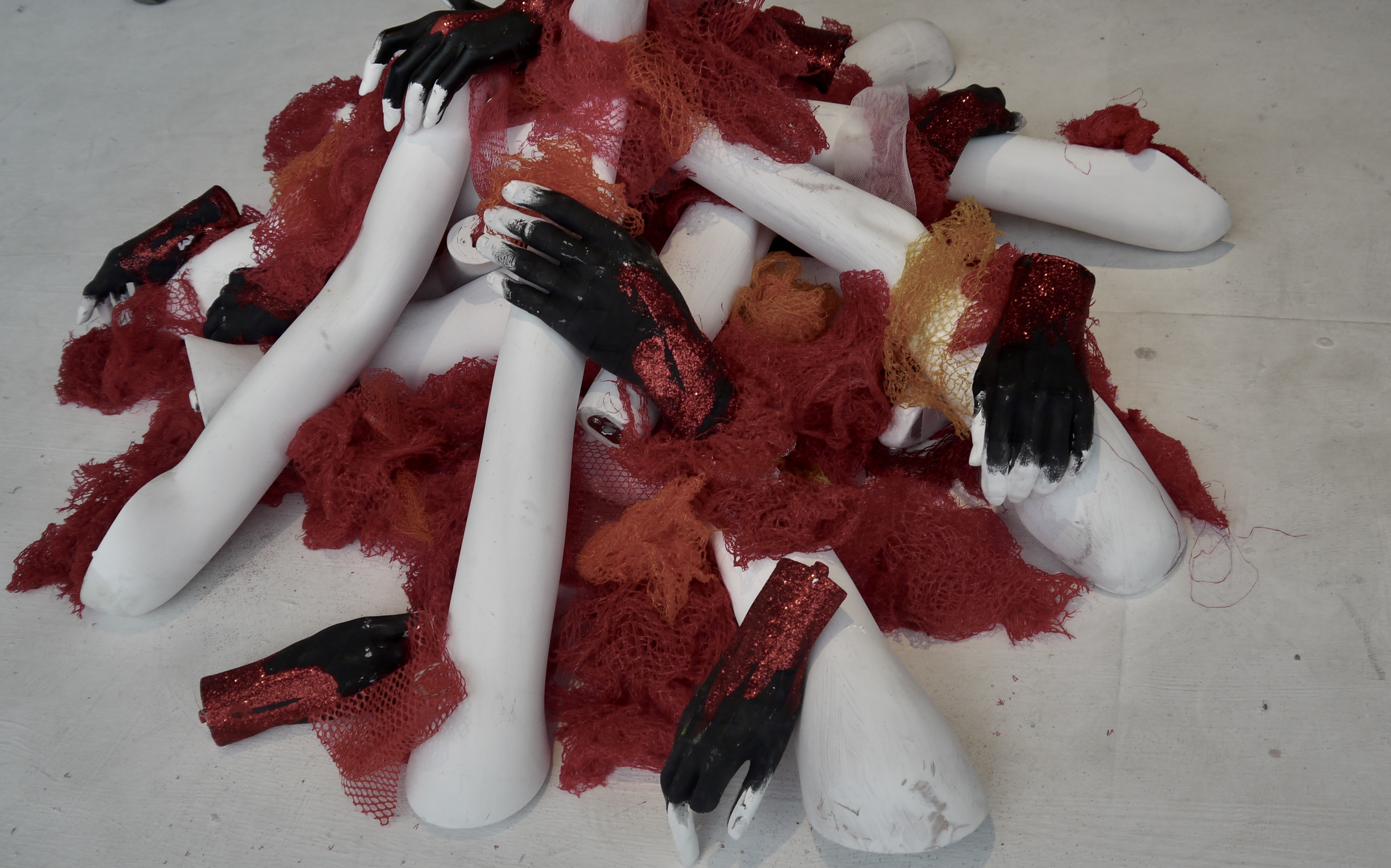
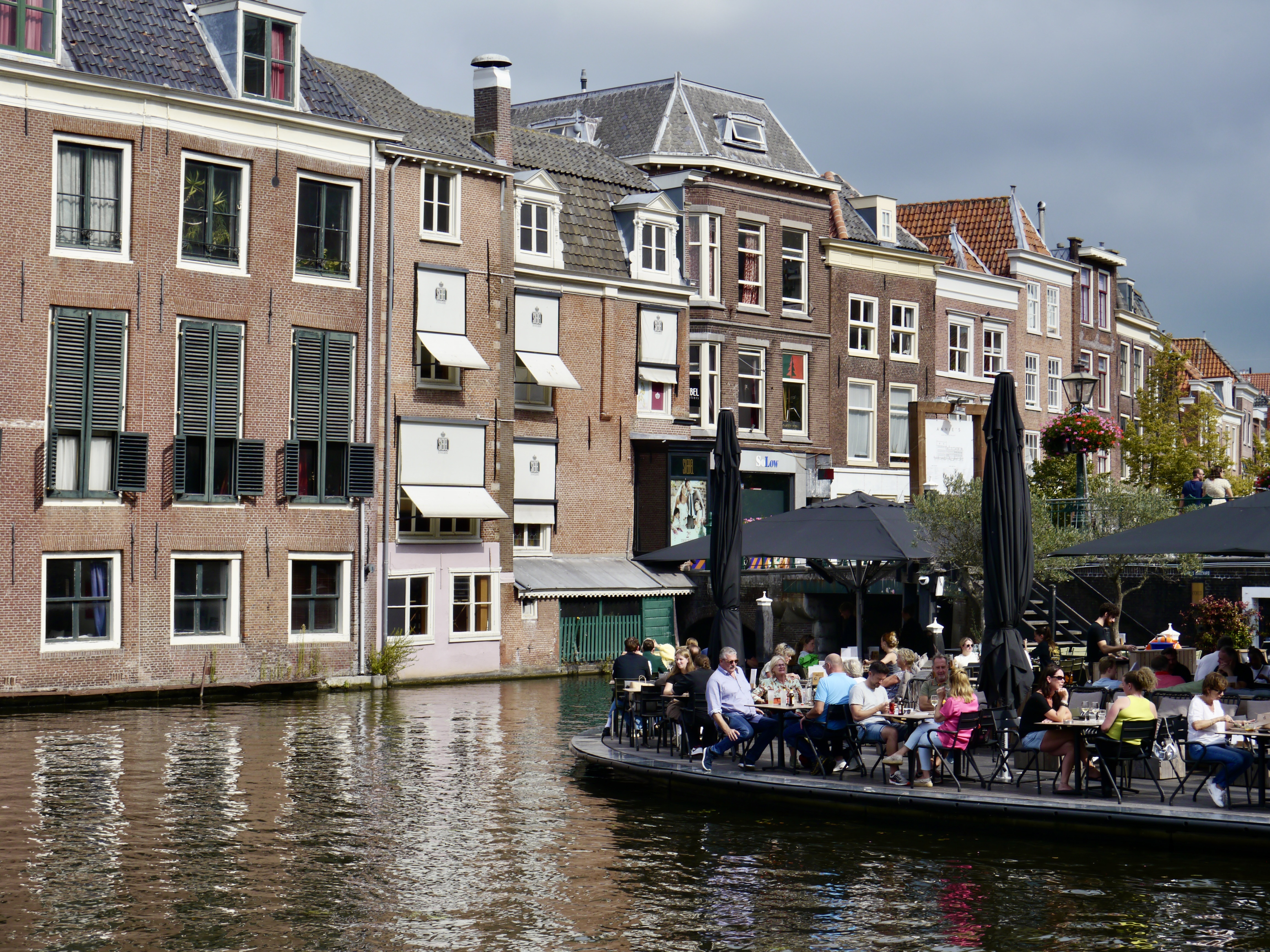
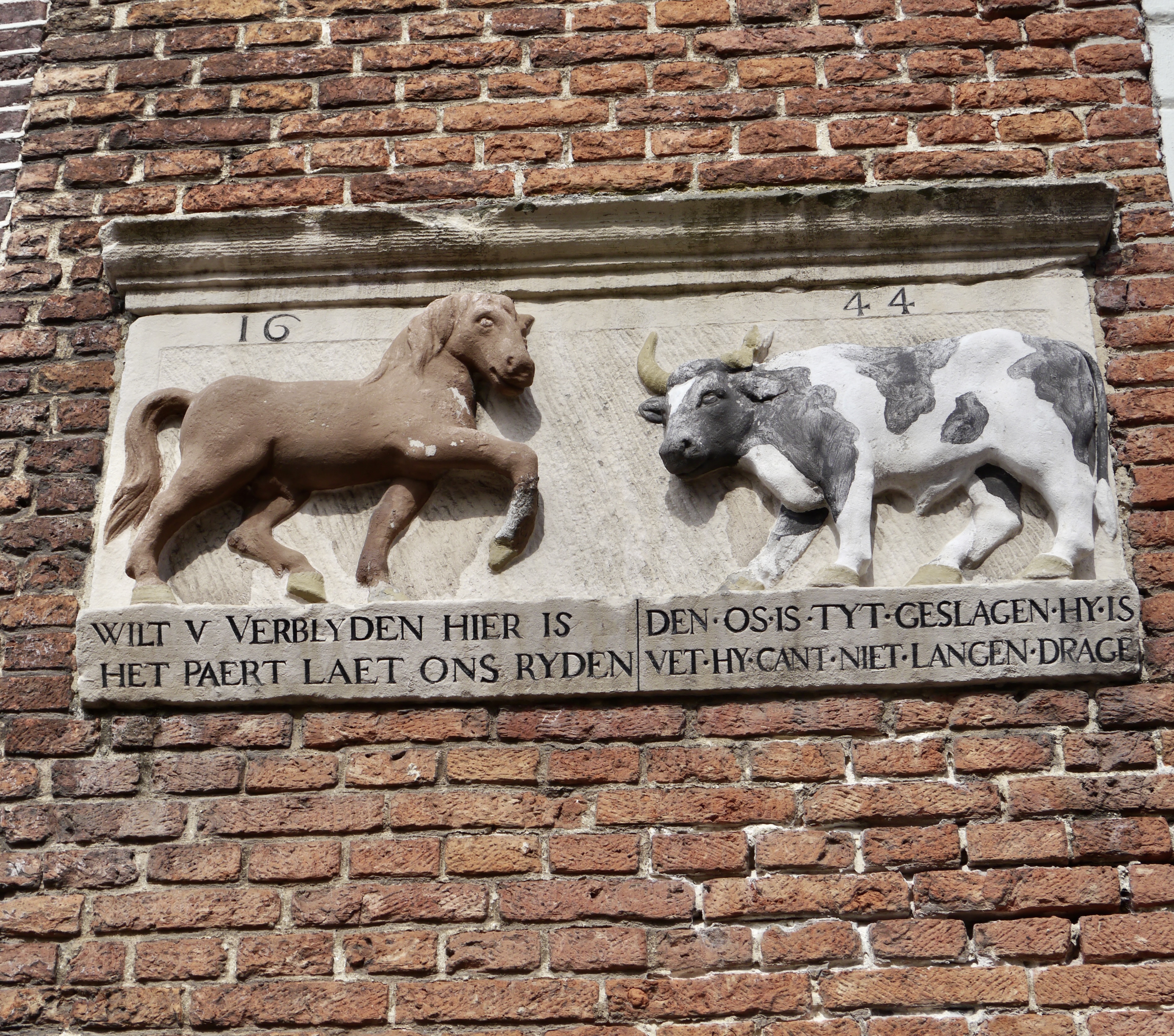
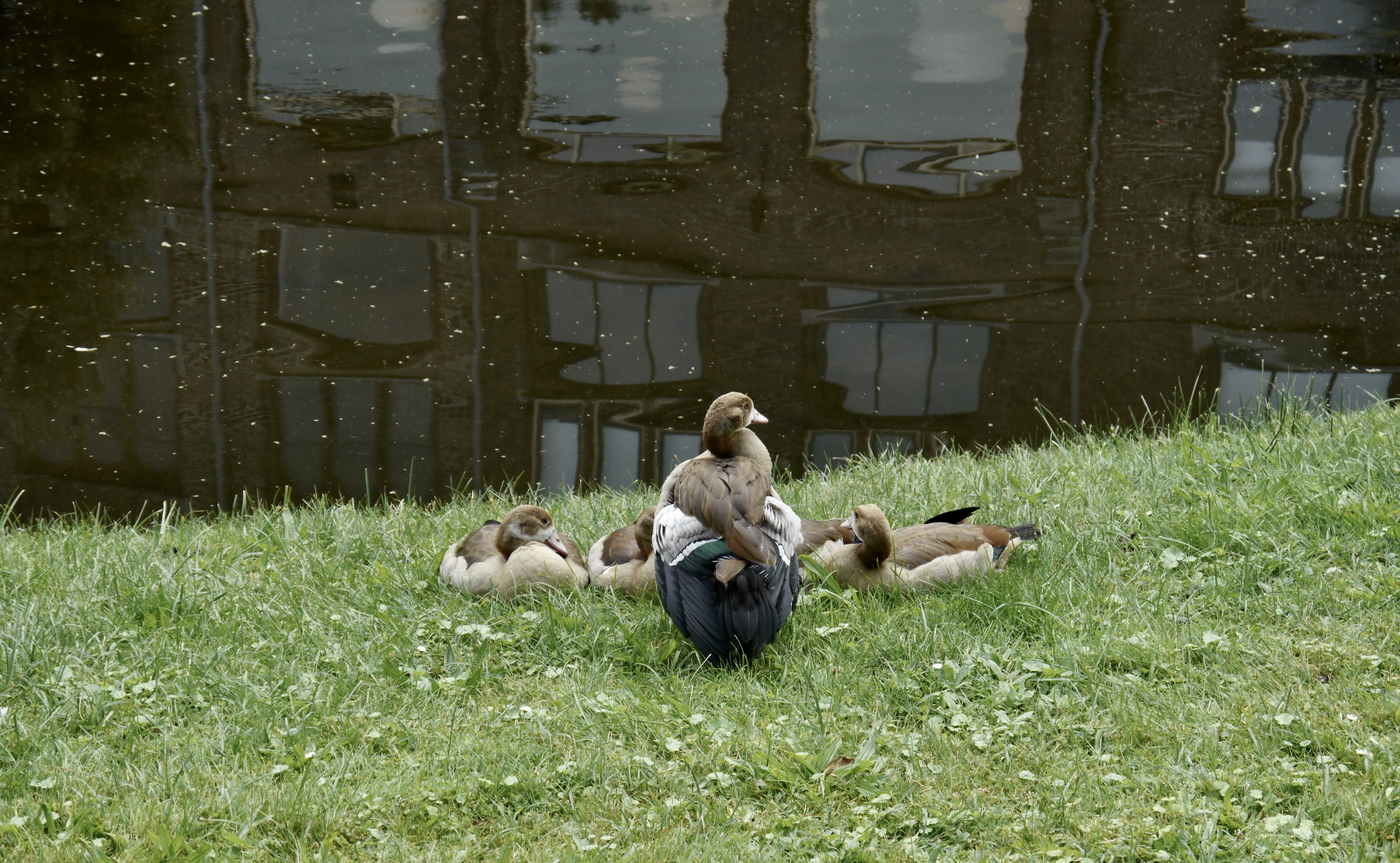
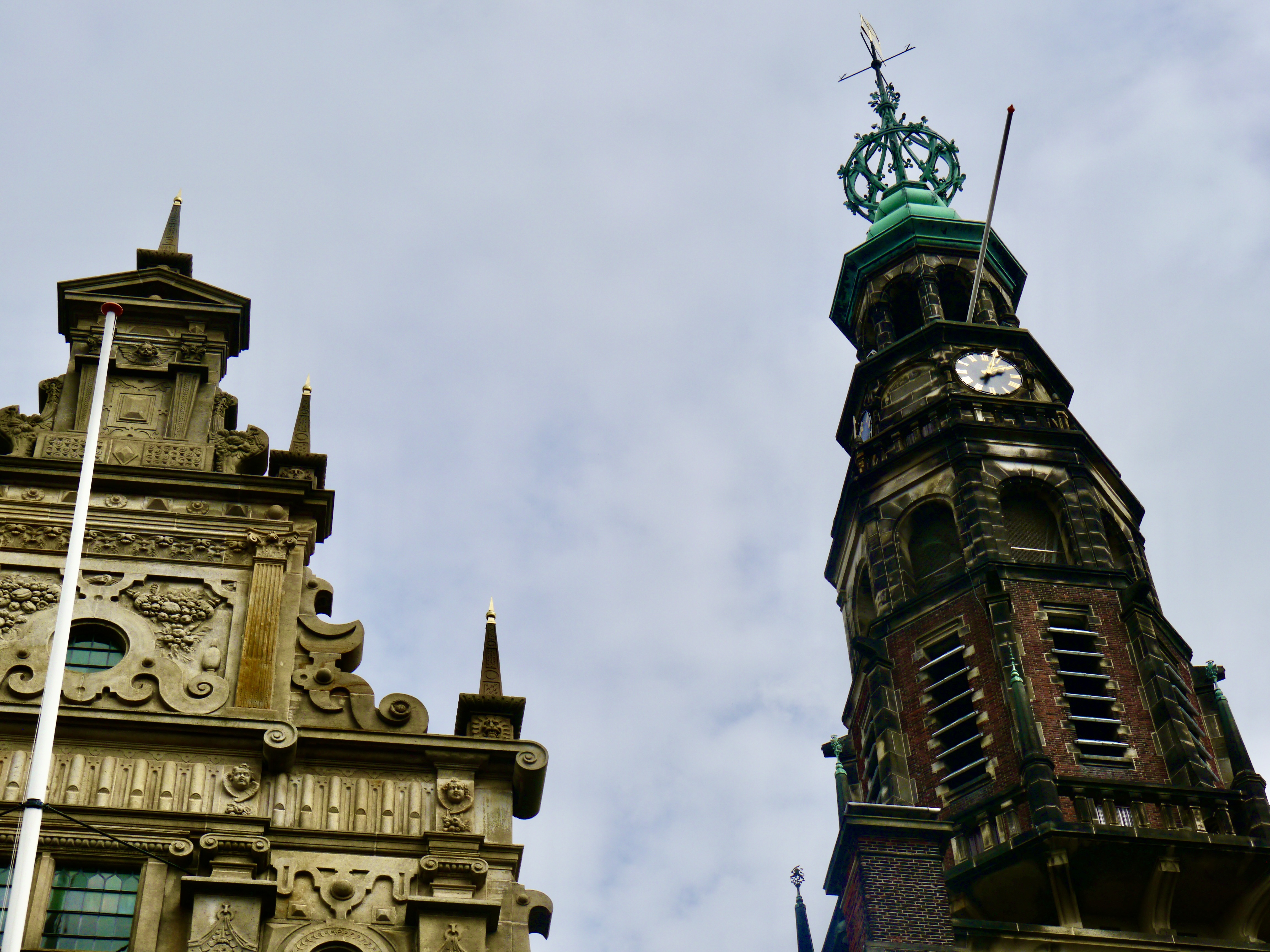
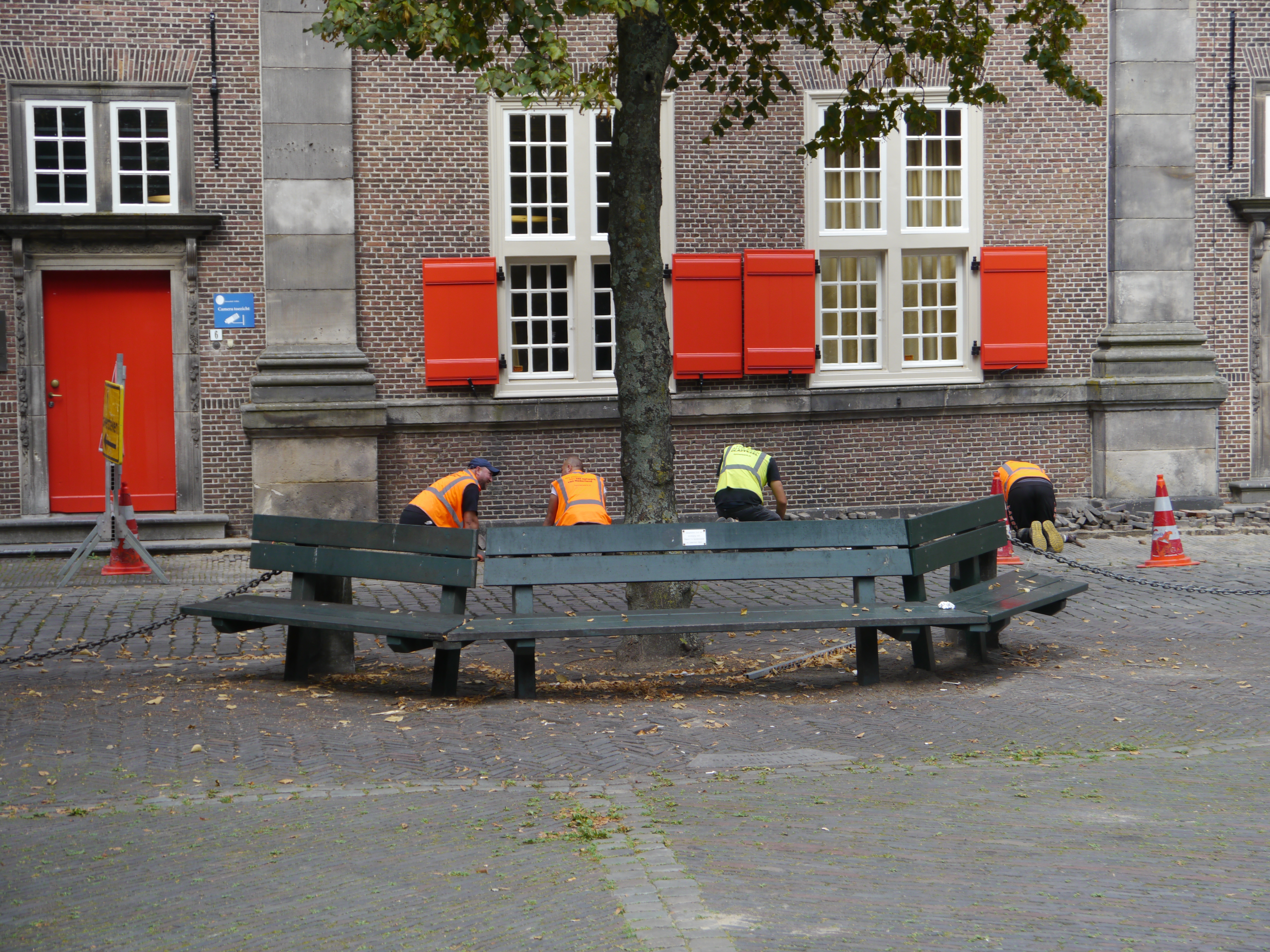
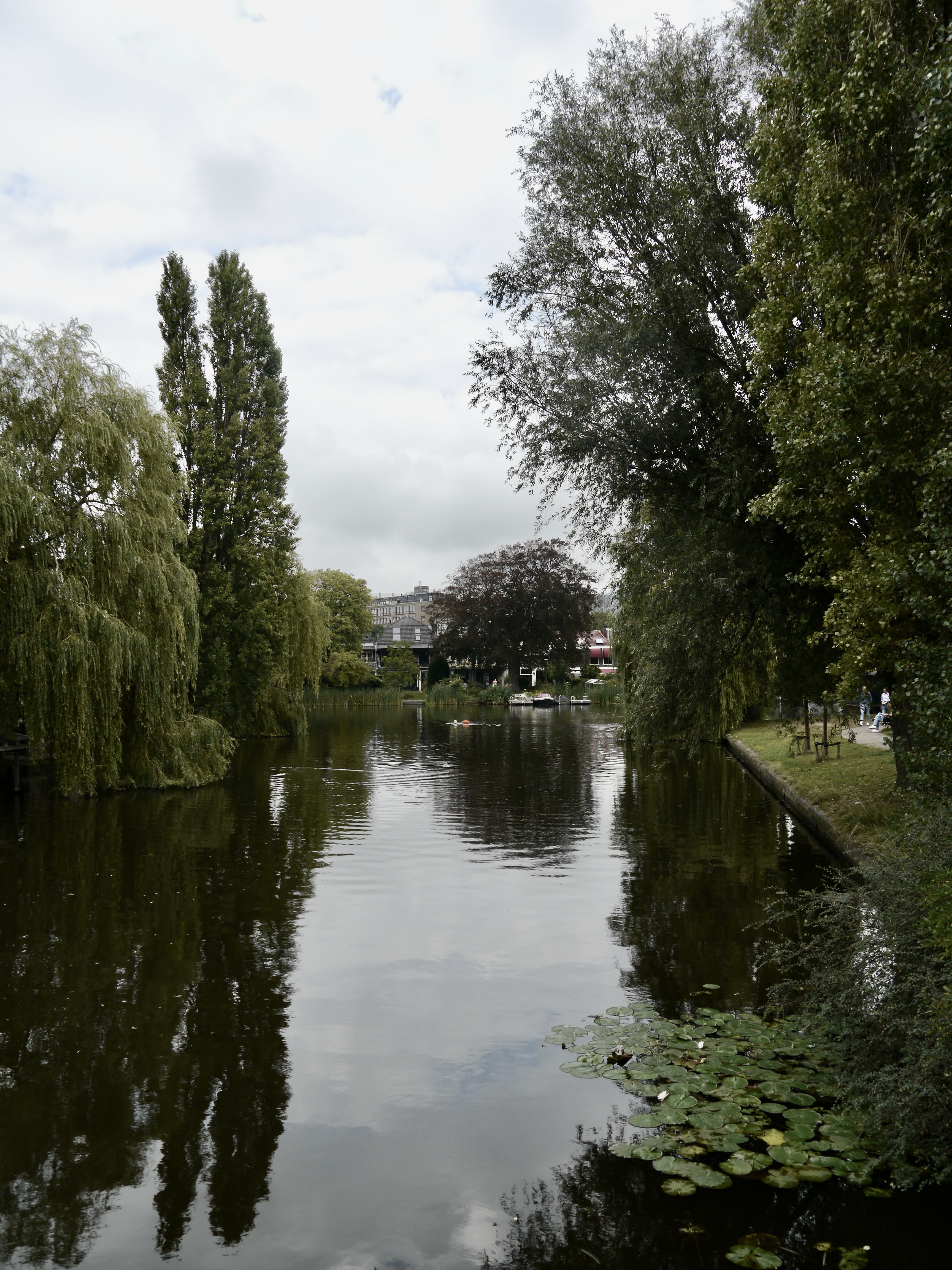
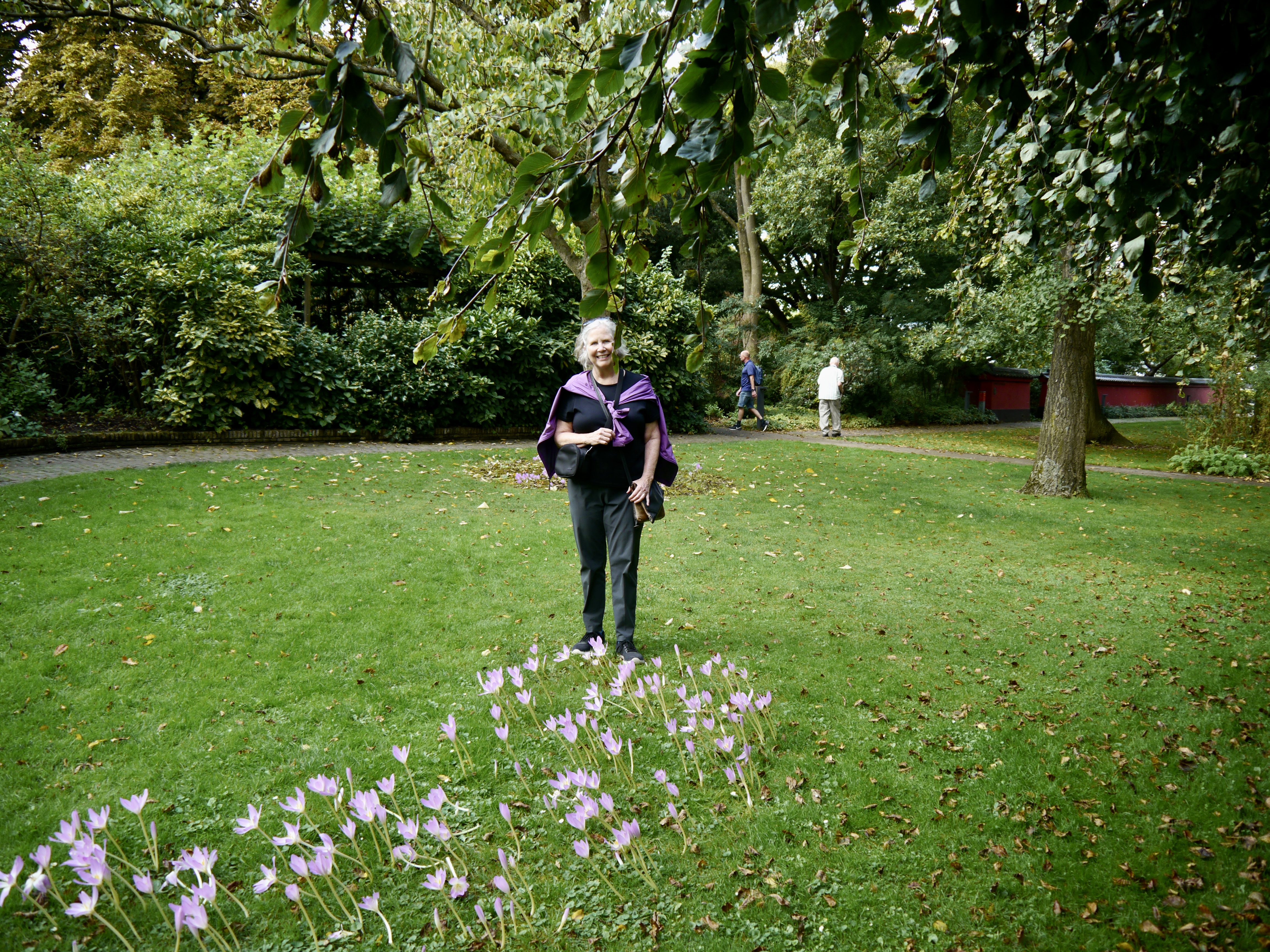
A visual tour of our time in Leiden


 Geezer On The Go
Leave a reply to Jane Gigler Cancel reply