
“
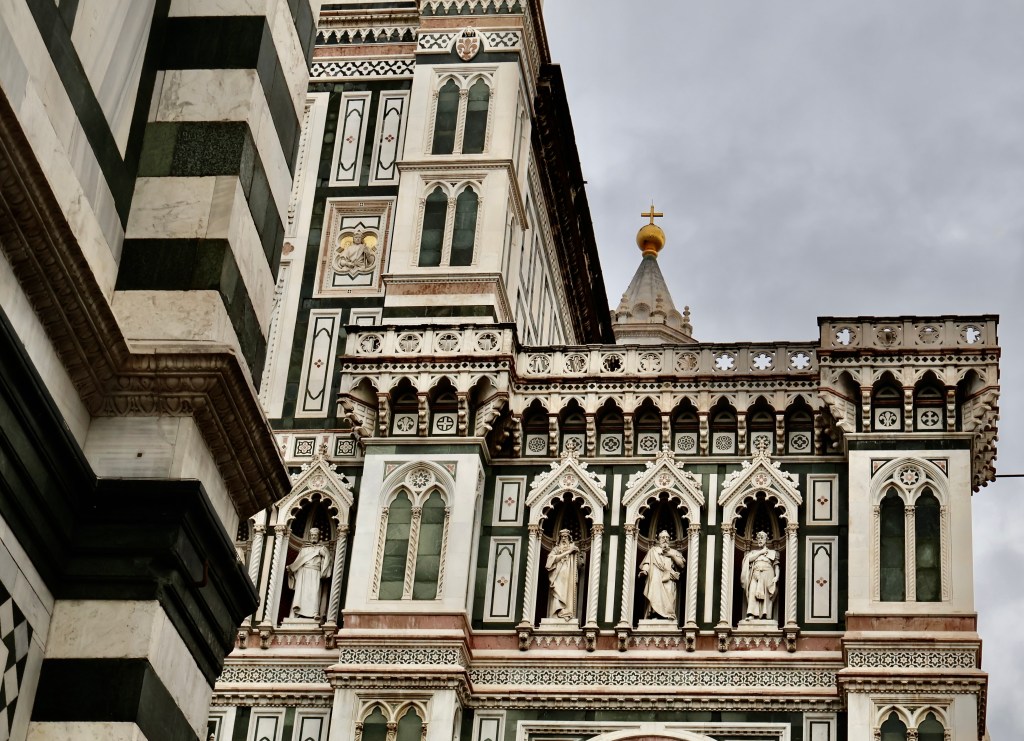
Florence is in Central Italy and covers ~40 square miles. An estimated 370,00 call Florence home. (Check out the stats on the number of visitors to the city a few paragraphs down). Historically, it is considered the birthplace of the Renaissance era and, it’s said, of the modern world. It is a fun, clean, safe and upscale city filled with rich history, art and an abundance of culinary opportunities.
Personal story: In 1962, when I was 5, my mother traveled to Florence. Upon return, she gifted me with a straw doll-purse shaped like a female wearing traditional garb. The word Firenze was boldly sewn across the front. I asked, “mommy, what’s that say?” She answered literally, pronouncing Firenze with an Italian accent. I declared “that’s her name!” It wasn’t until we began planning our Fall, 2024 trip that I learned Firenze is Florence in Italian, not just the name of my cherished doll-purse.

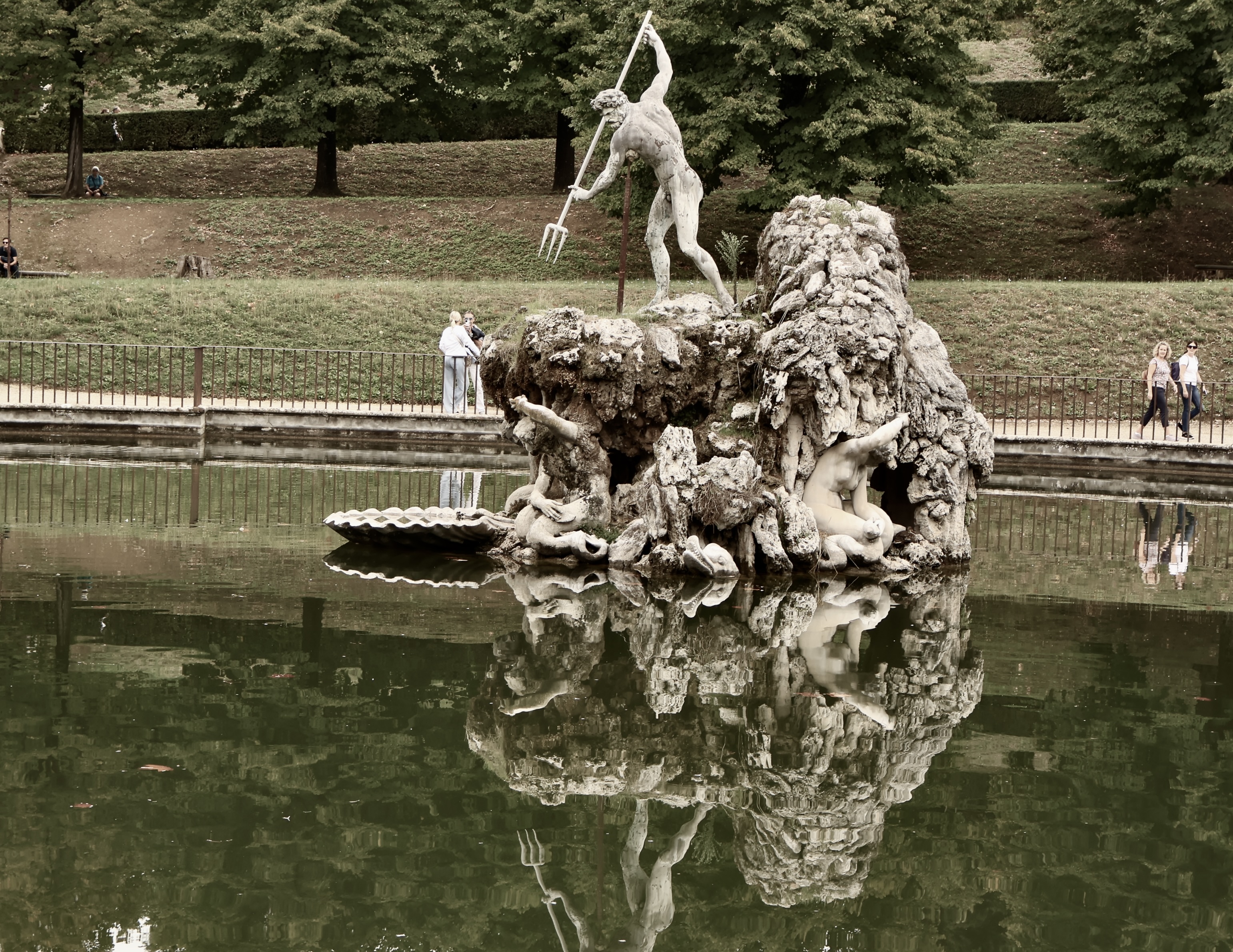
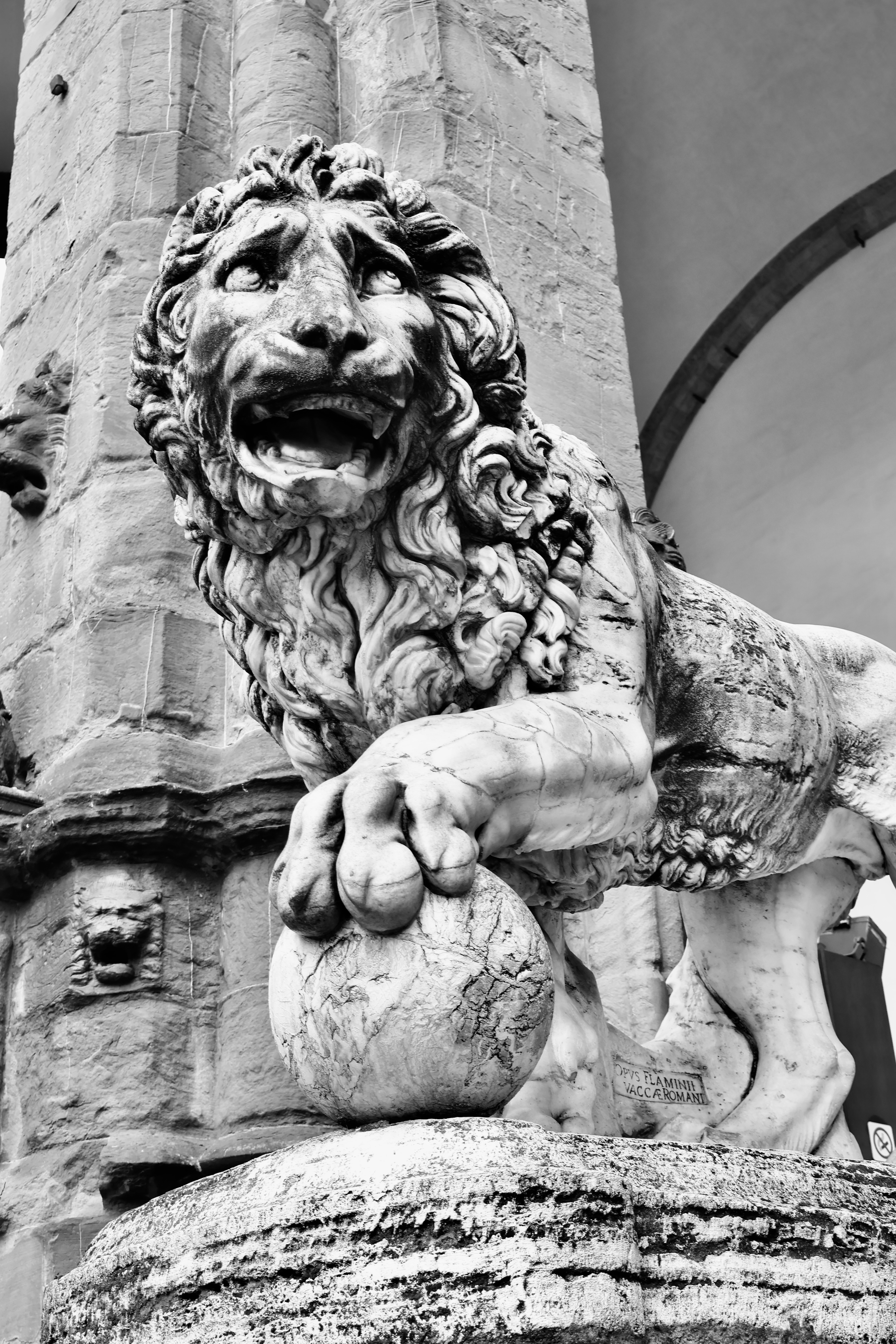

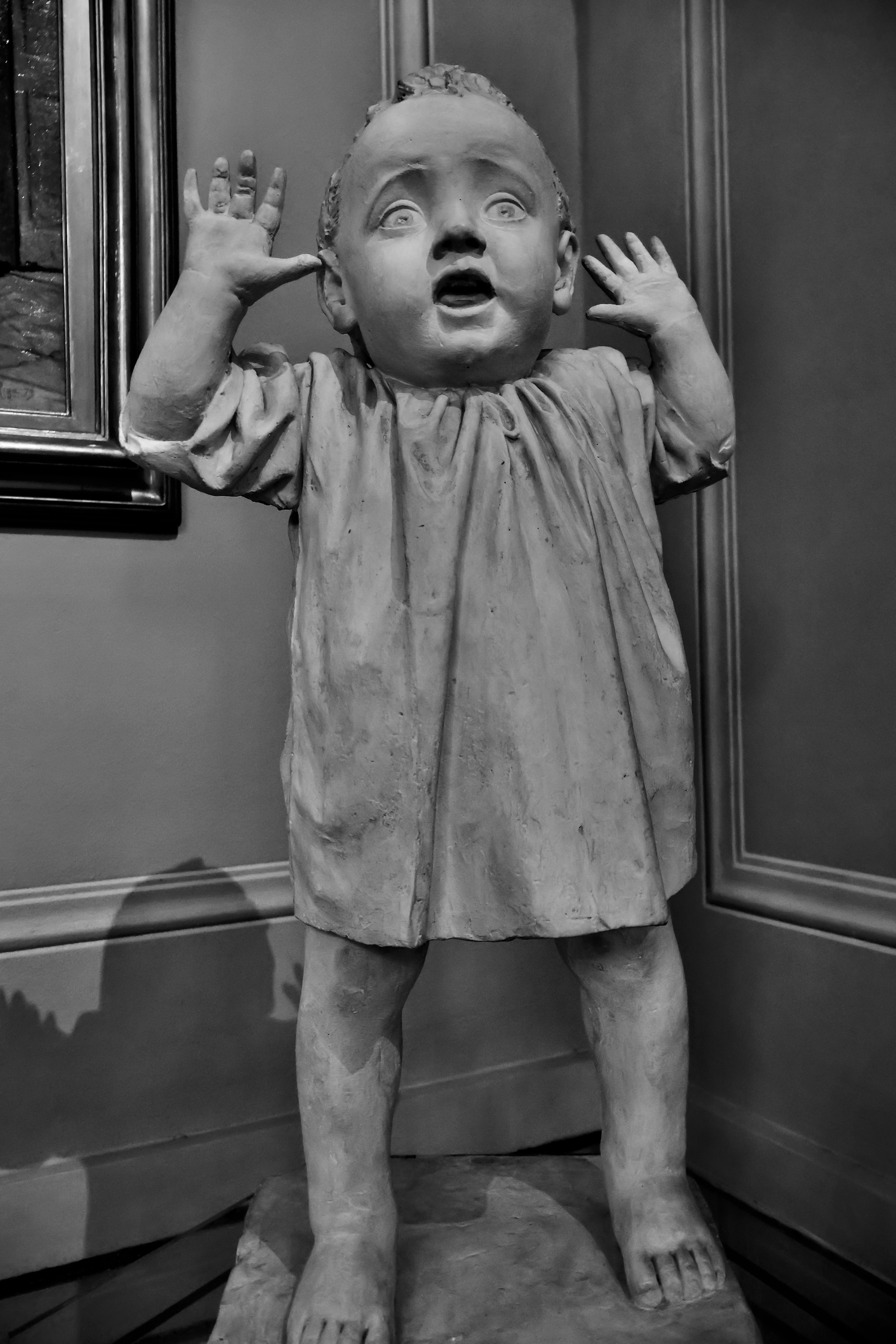

Everywhere you turn, there are powerful sculptures. It’s like peeling layers from a massive onion that never gets smaller.
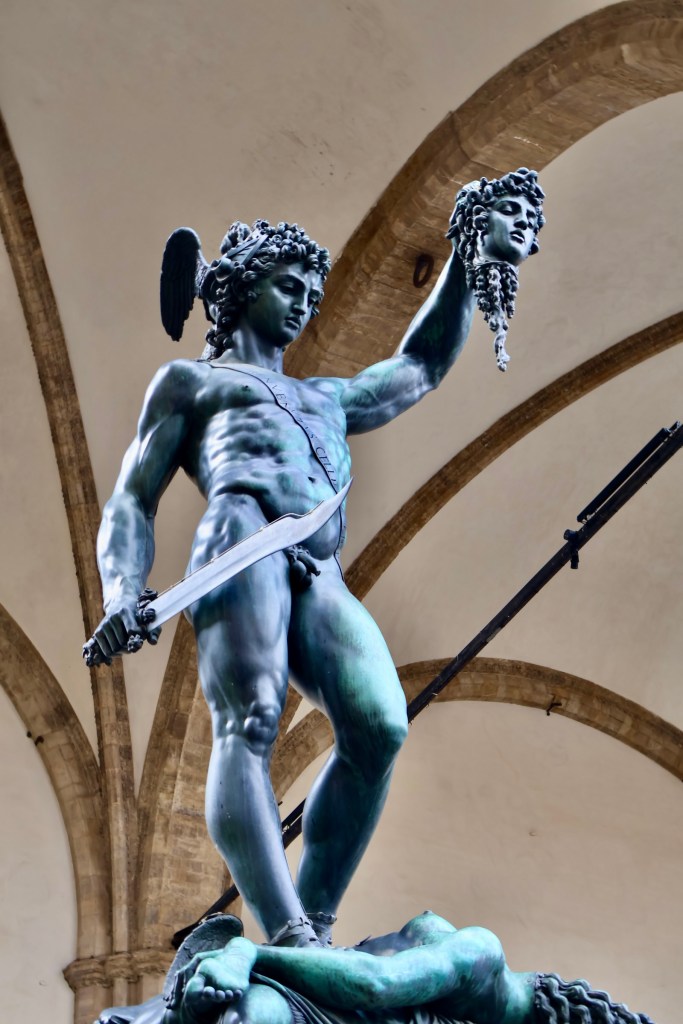
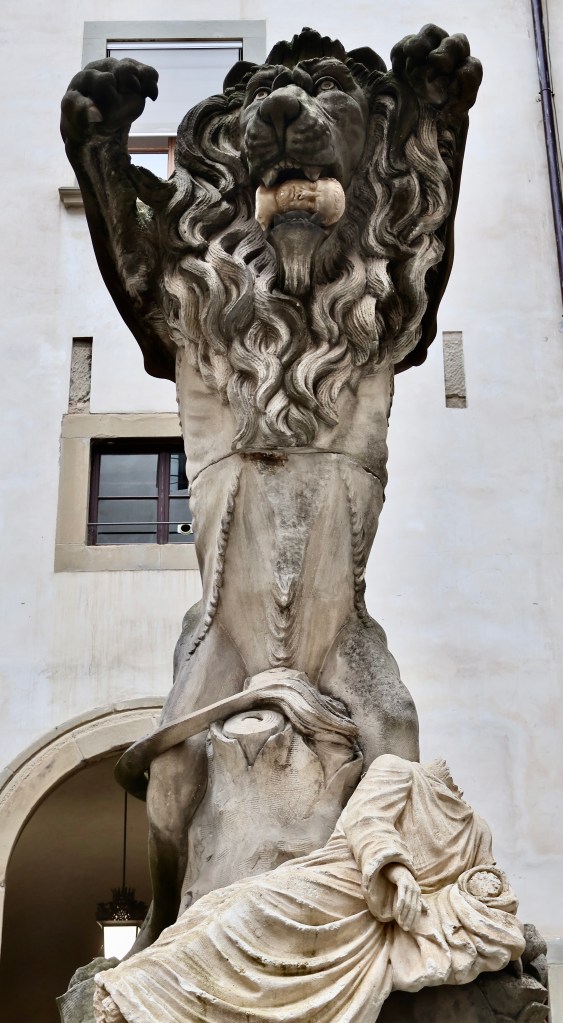
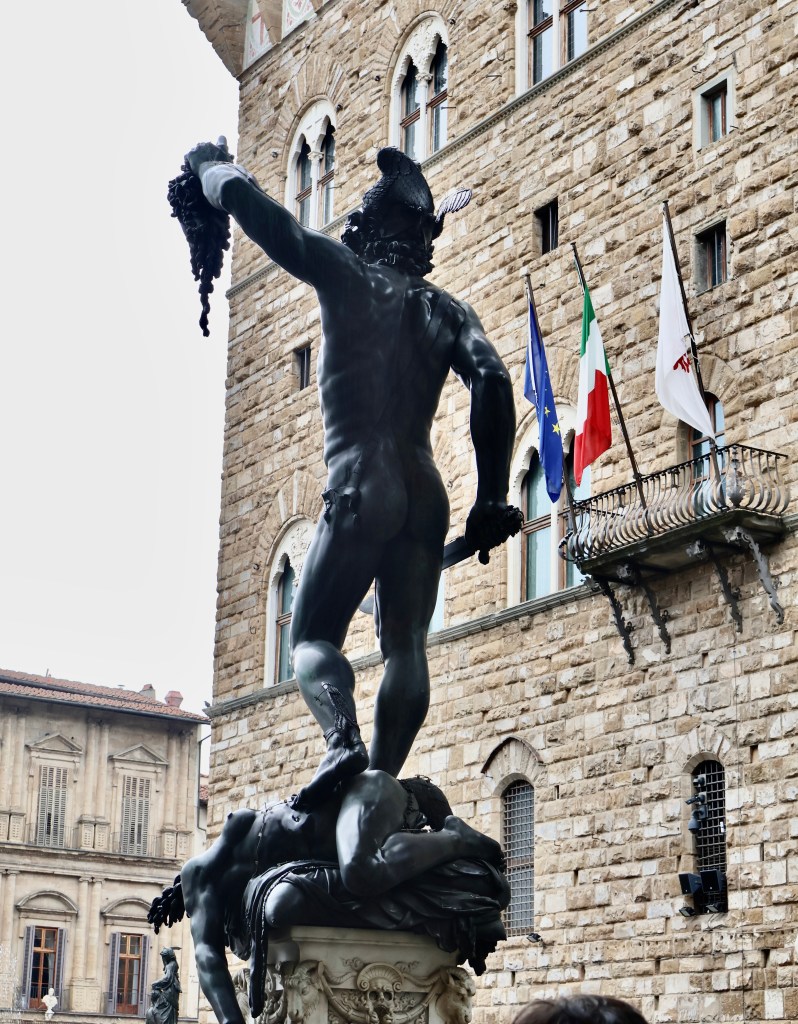
Off With Your Head!
It is estimated that Florence currently hosts 11 million tourists annually! As a result, dense crowds jostle for space to view the most popular sites. The Uffizi was on the top of our list of “must sees.” We purchased tickets, far in advance with assigned entry date and time. Still, we encountered hordes vying for views of the many historically relevant art pieces. There were large organized tours led en masse, as if a single huge amorphous entity moving through space. Trying to actually view and absorb the renowned art was both metaphorically and physically painful as others shoved their way to the front to “get” the perfect photograph. We found wandering off the beaten paths of the city far more rewarding.
Ferragamo Museum

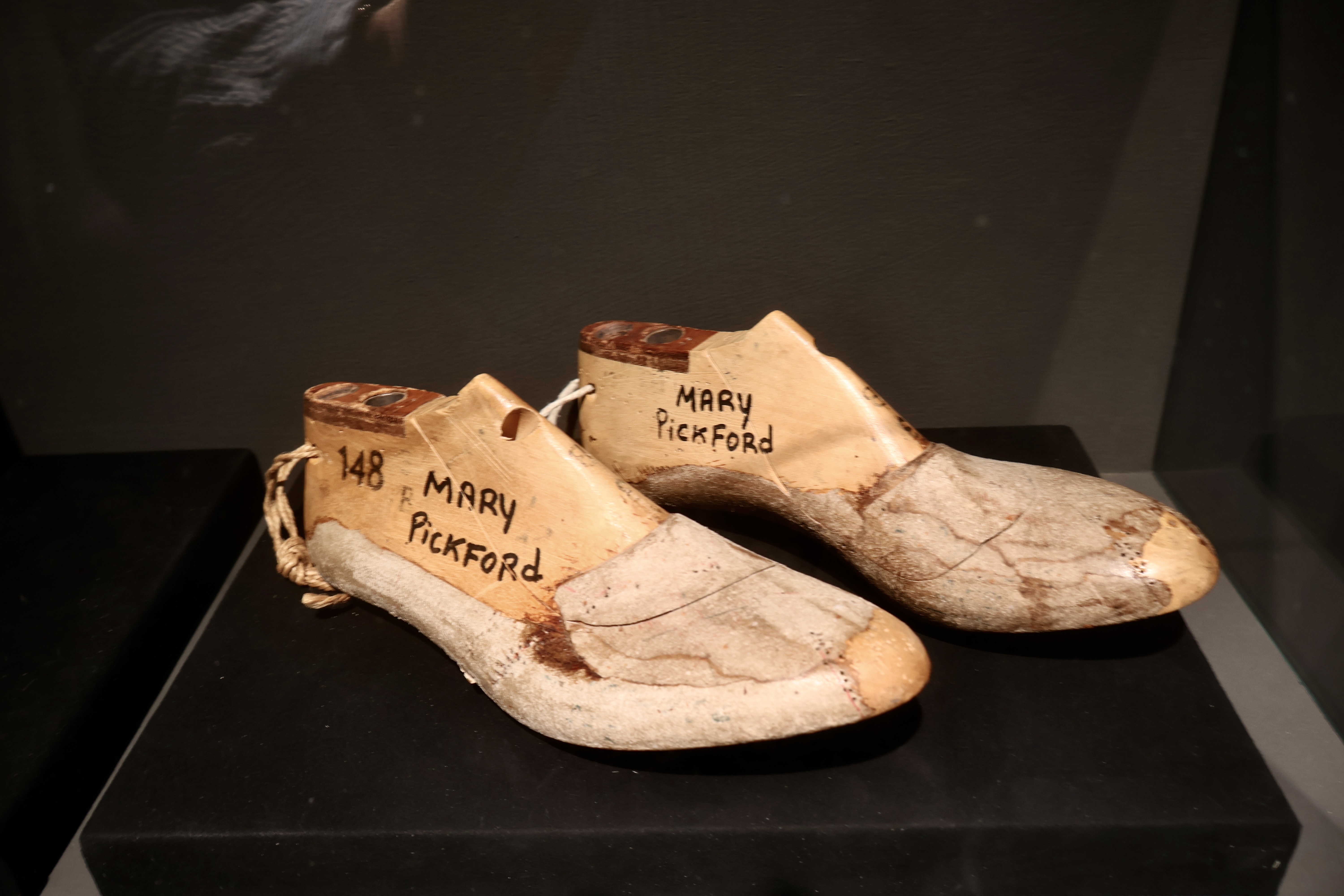

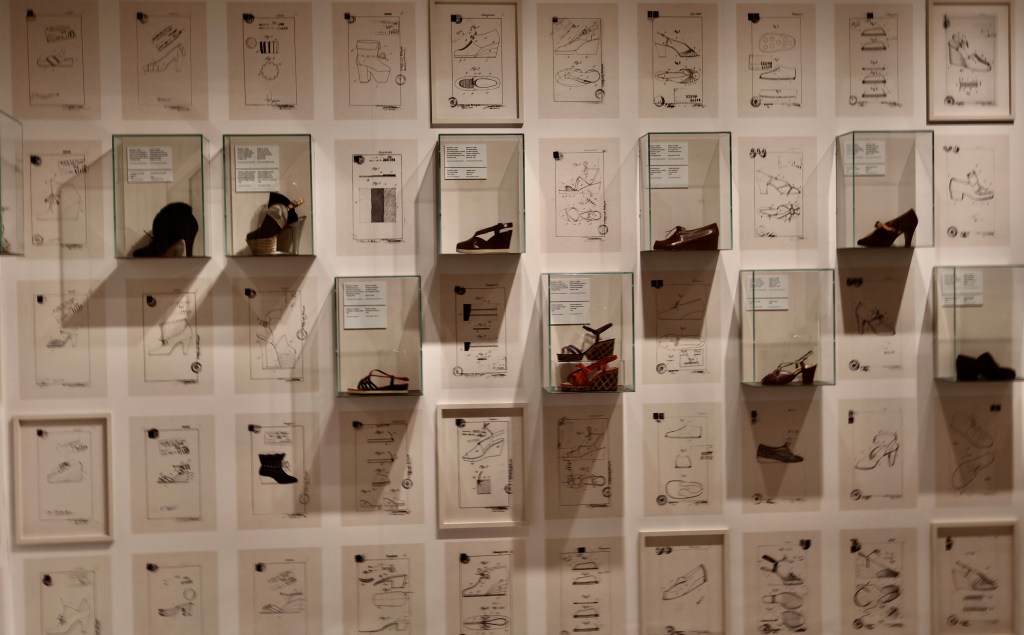
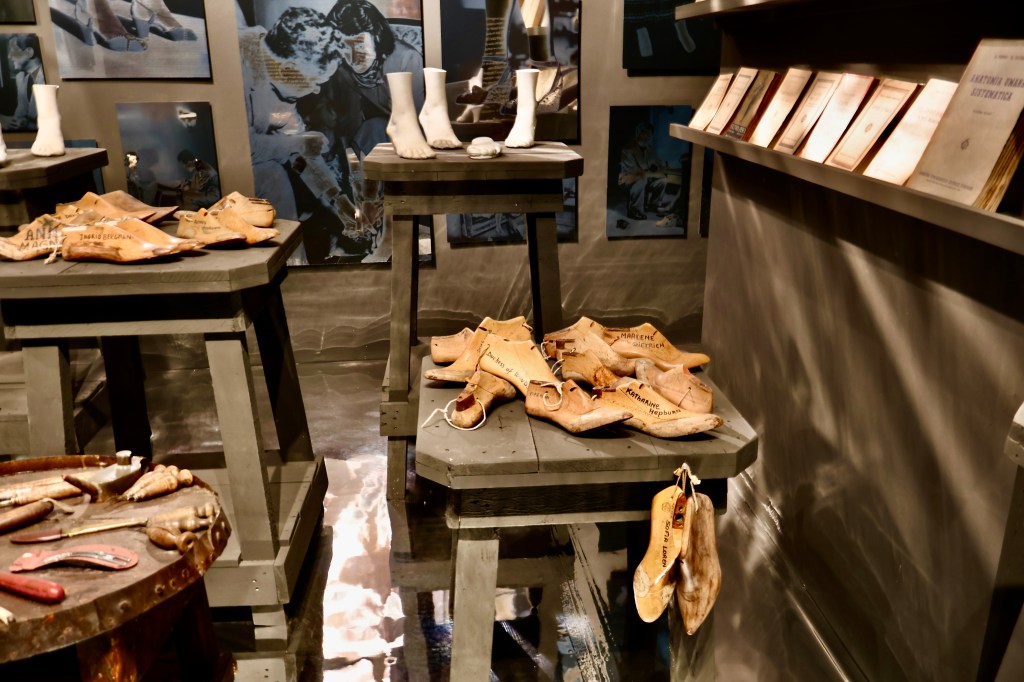
We tripped upon the Ferragamo Museo (a nonprofit), located in the basement of Ferragamo’s modern Florence corporate office complex. Learning about Salvatore Ferragamo (shoes) was never on my bucket list, but, with no entrance fee for seniors so, why not? We wound up spending more than an hour perusing the exhibit. What we learned? Ferragamo emigrated from Italy, opening his first store in Hollywood in 1923, across from Grauman’s Egyptian Theater. He became known as “Shoemaker to the Stars” and a major player in international fashion. Later he was the icon for high-end shoes across the world. The variety and ingenuity of Ferragamo’s shoe styles is truly impressive. He made custom shoes and designed footwear for a plethora of famous Hollywood stars as well as movies.
Galileo Museum

My background in science and math is nil. Yet the Galileo Museum (worth a click) won my heart and mind. And, no crowds!
“The war and electricity: these are the topics of conversation today.” Journal de Trévoux, 1746
I learned about the tremendous influence of the Medici and Lorraine families on the natural, physical and mathematical sciences in Florence and throughout Italy. Starting with Galileo, the exhibits walks you through a scientific evolution of sorts. Astronomy, electricity, medicine, physics…
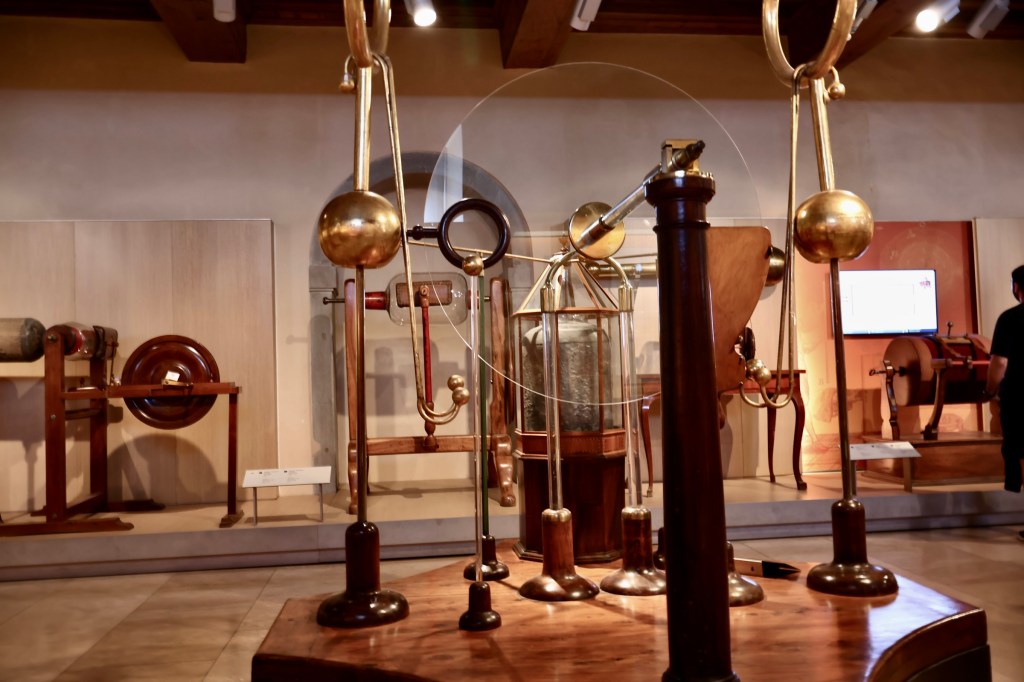
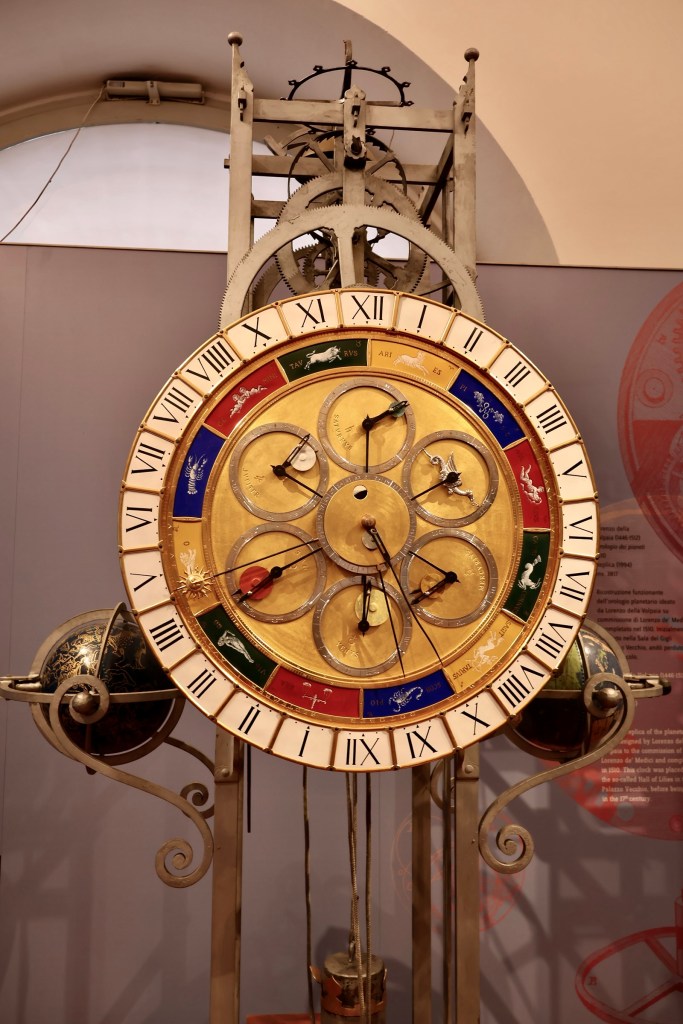
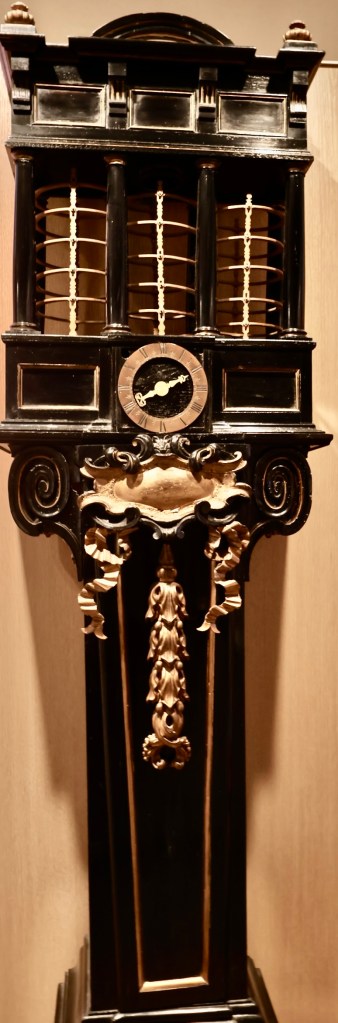
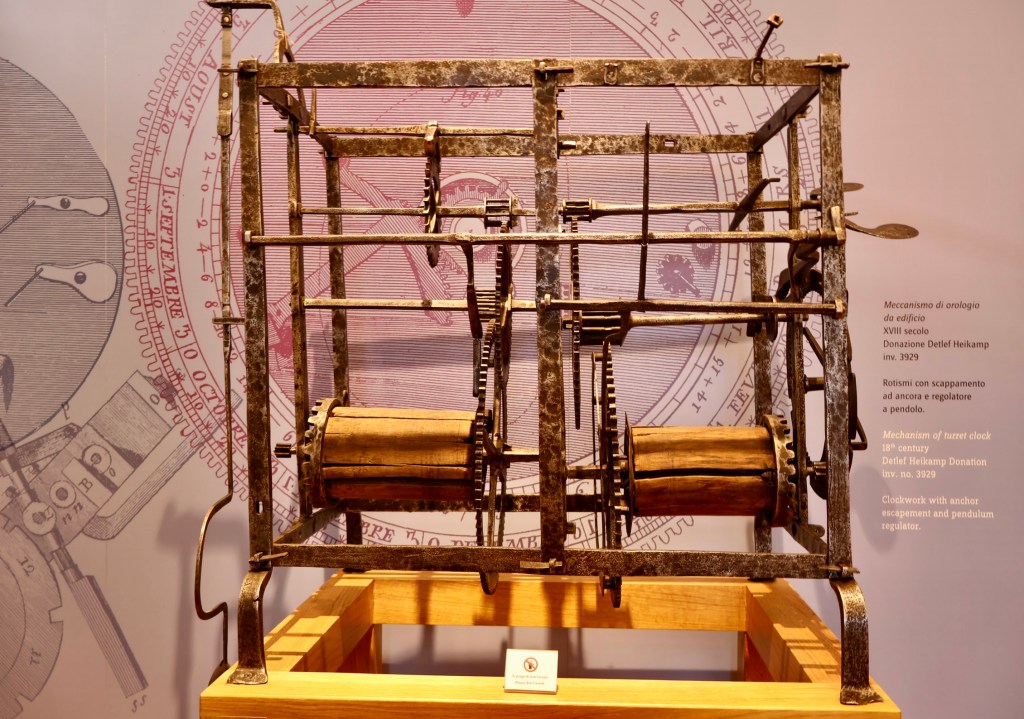
There’s even an hands-on playroom at the end of the exhibit. There were only adults partaking during my visit. A game to learn gravity and trajectory rewarded me with lot’s of loud bangs when I finally figured the proper arc to destroy the world.
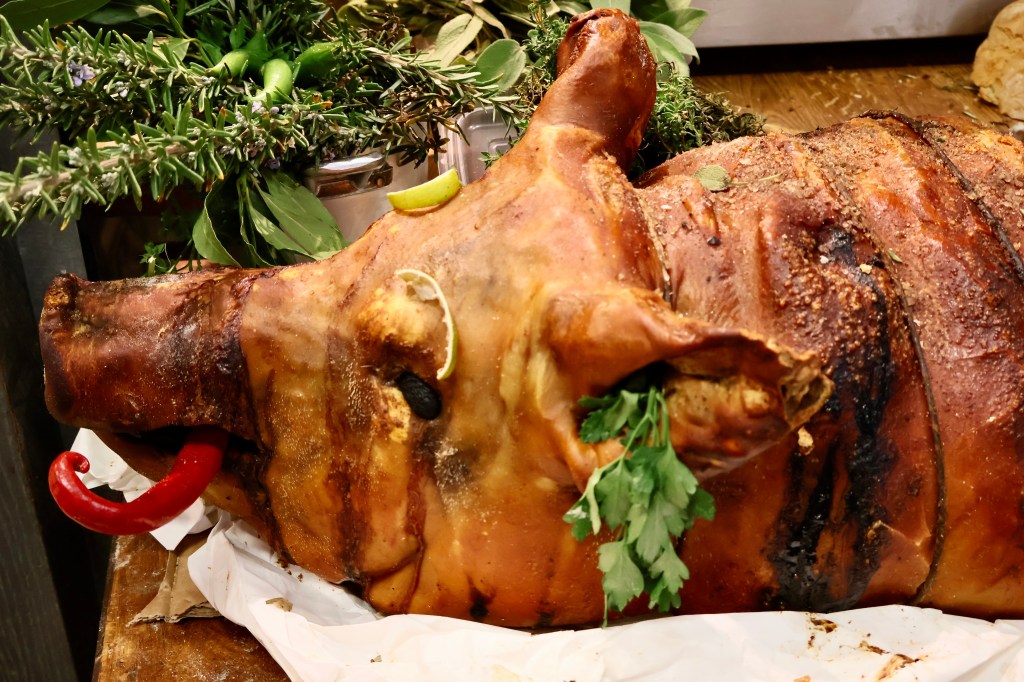
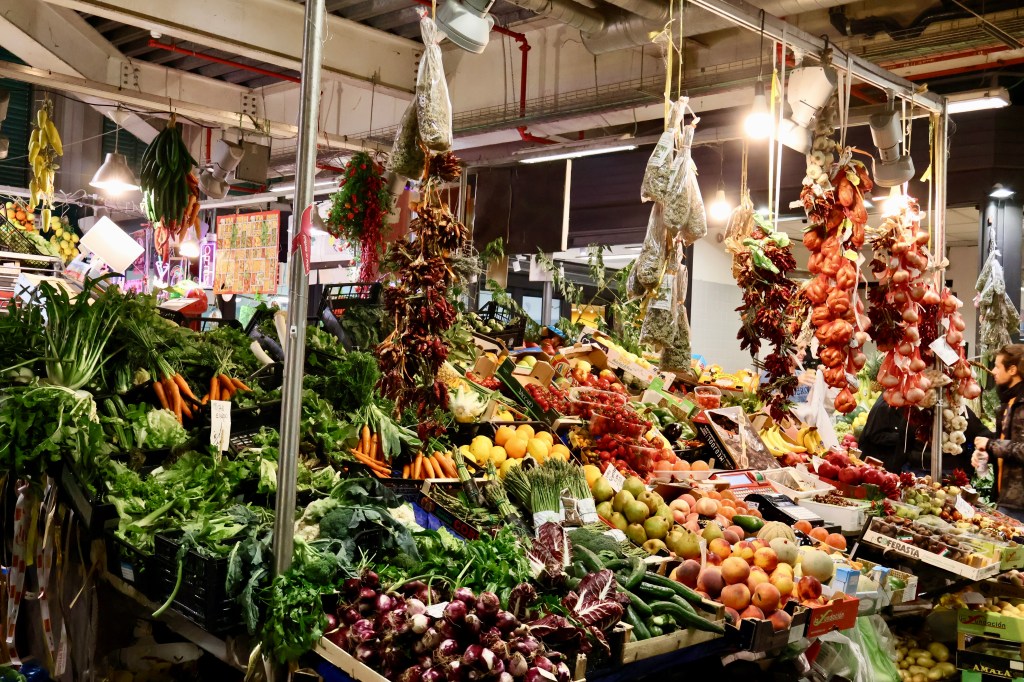
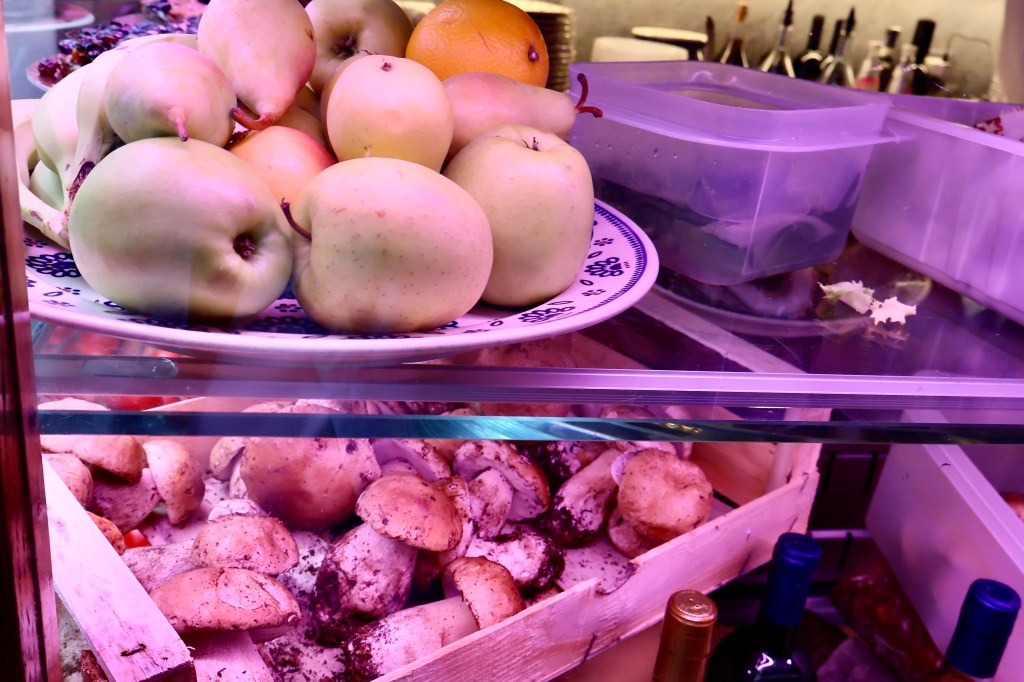
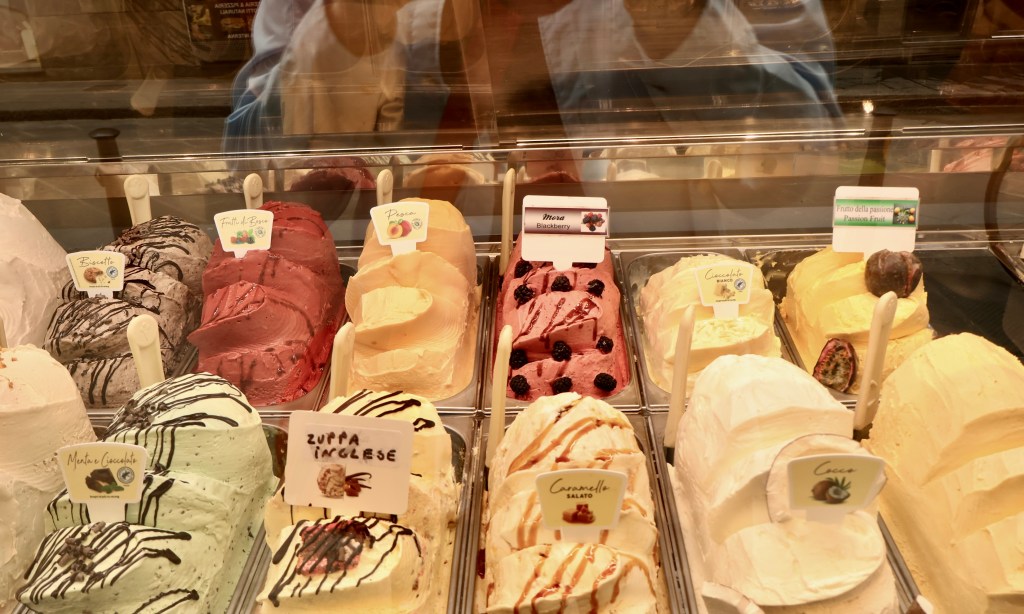
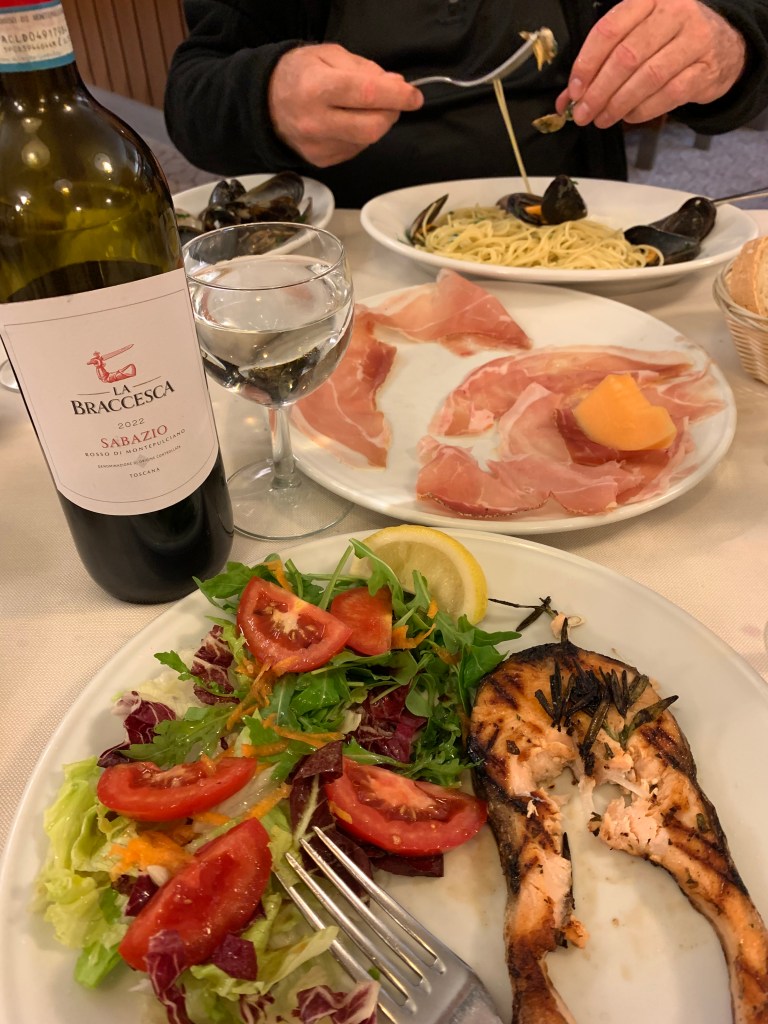
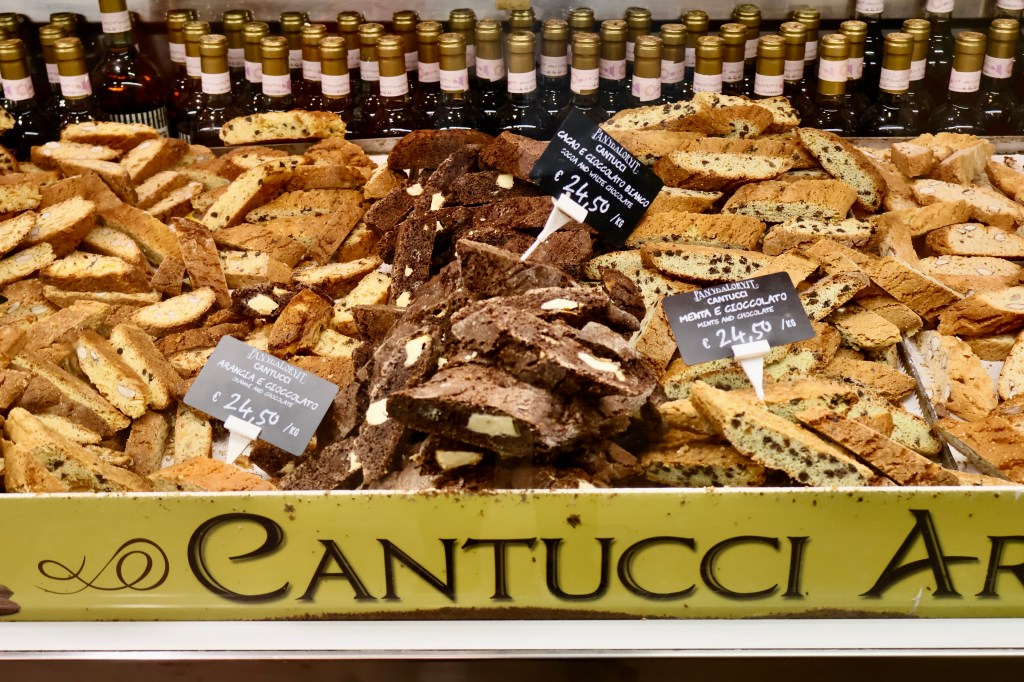
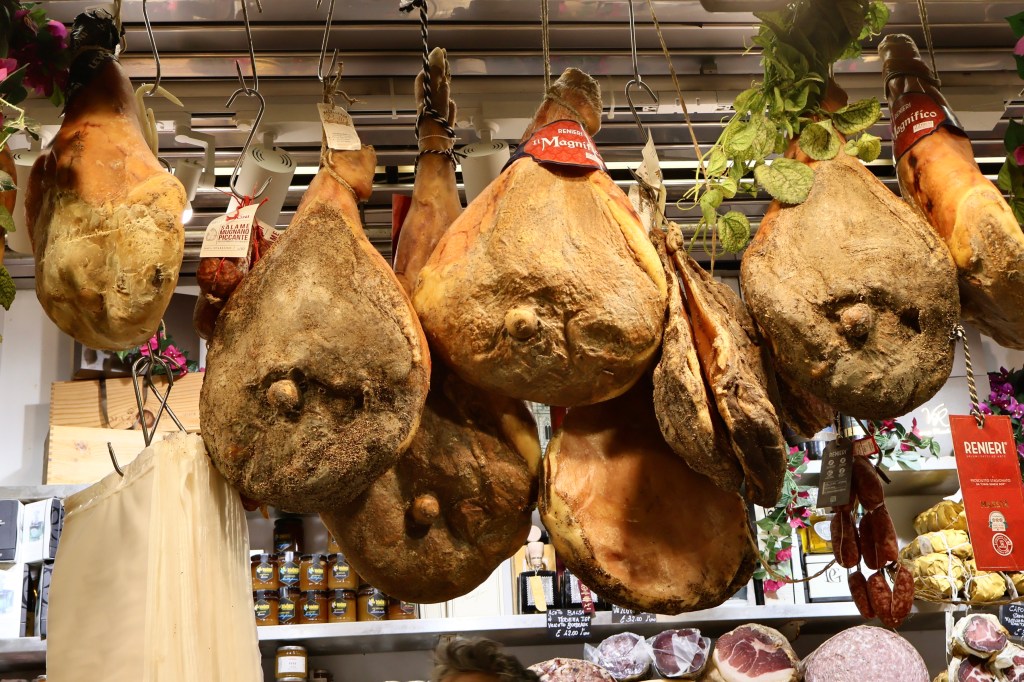
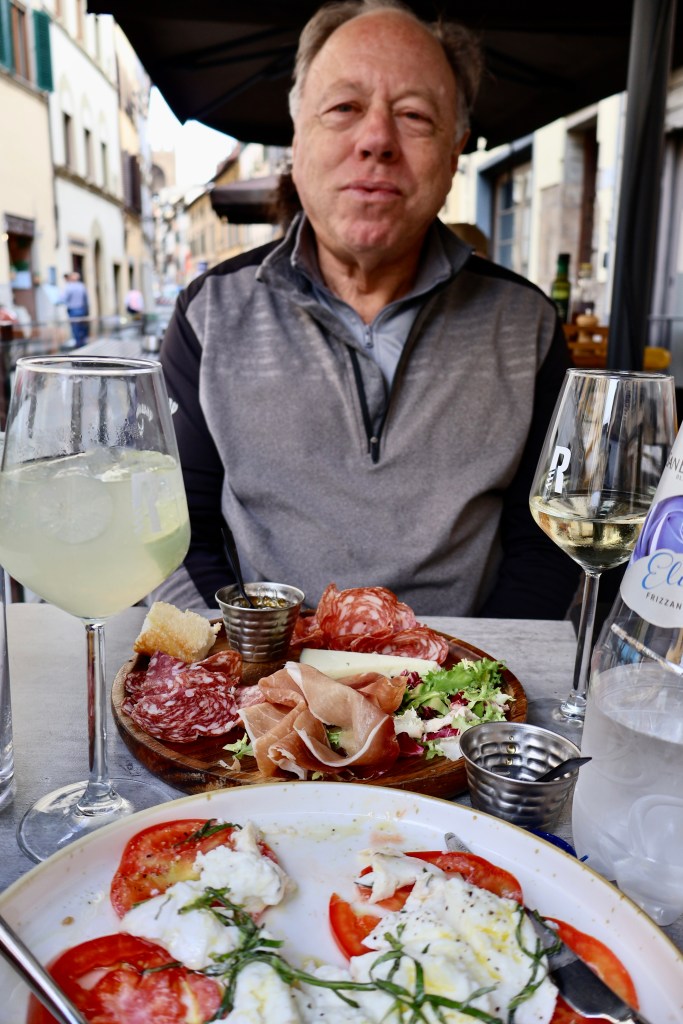
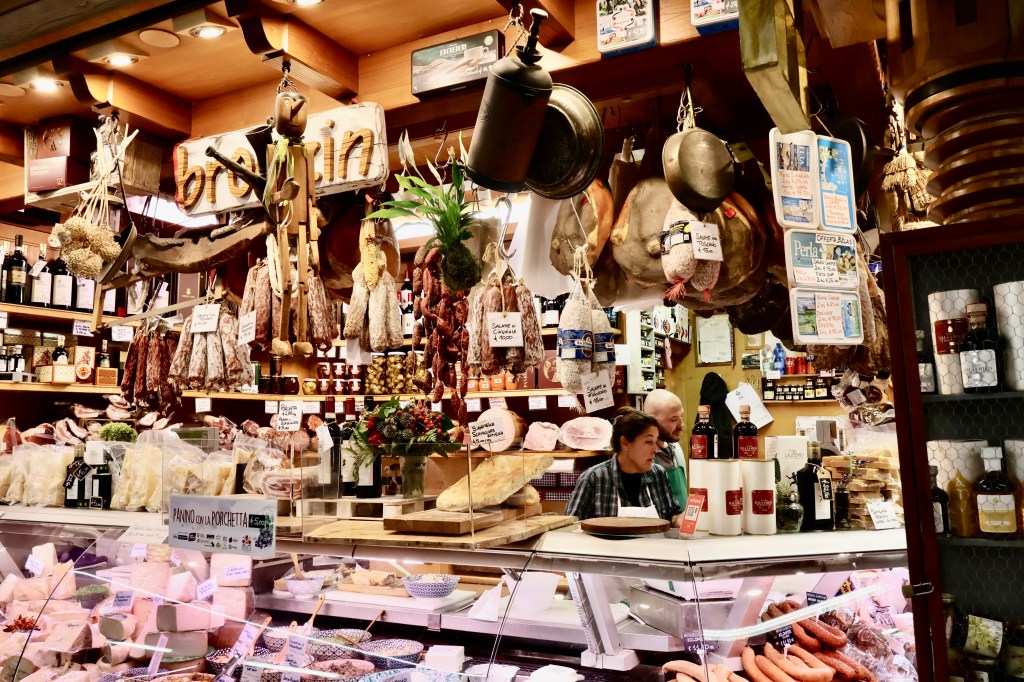
Glimpses of the Food Scene

Pitti Palace
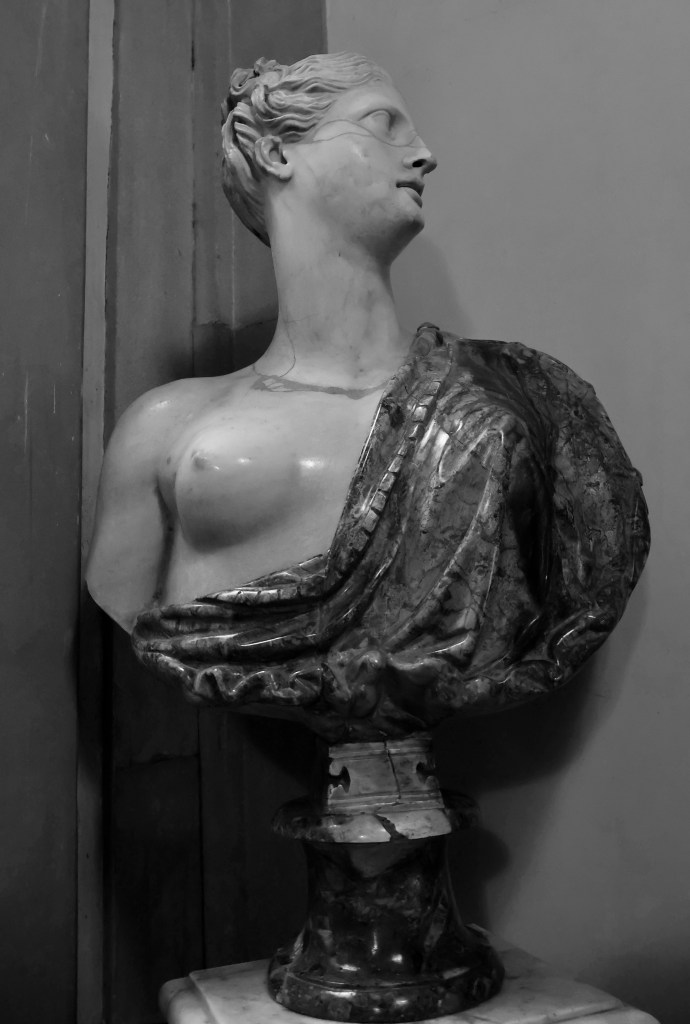
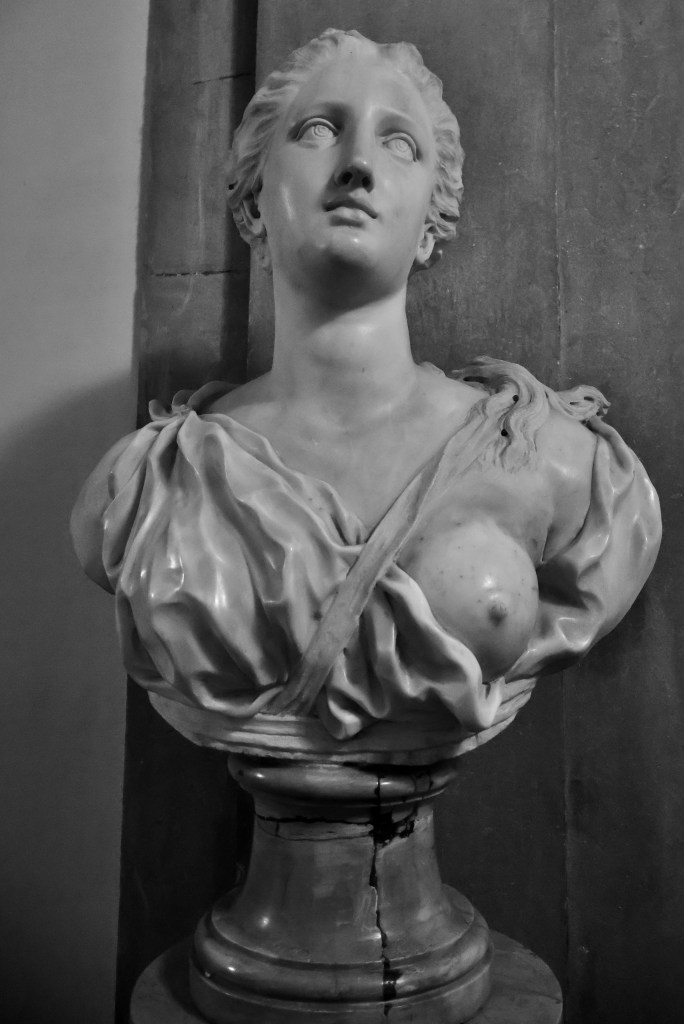
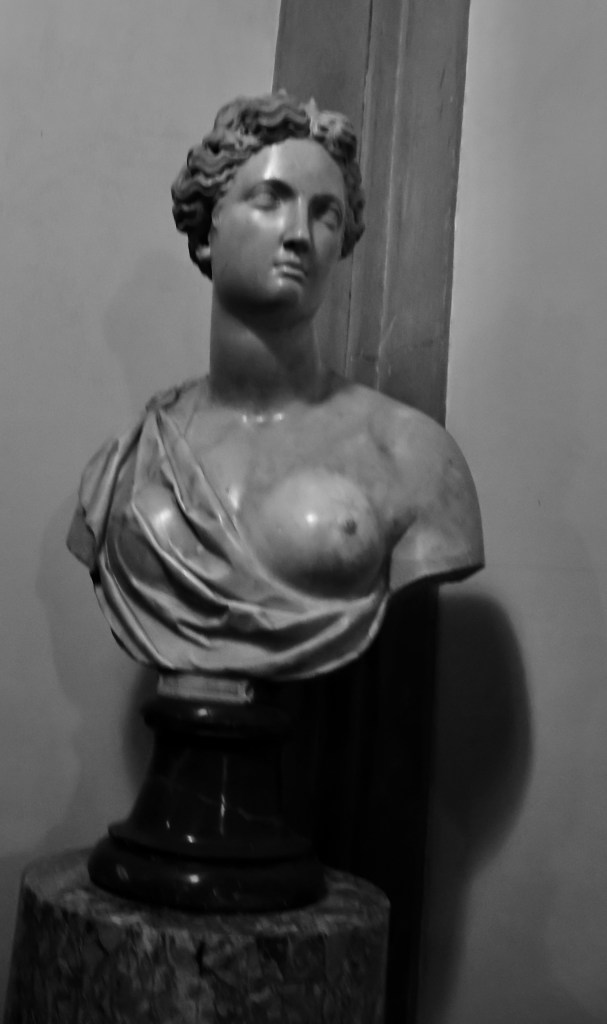
At the entrance one is treated to a series of busts
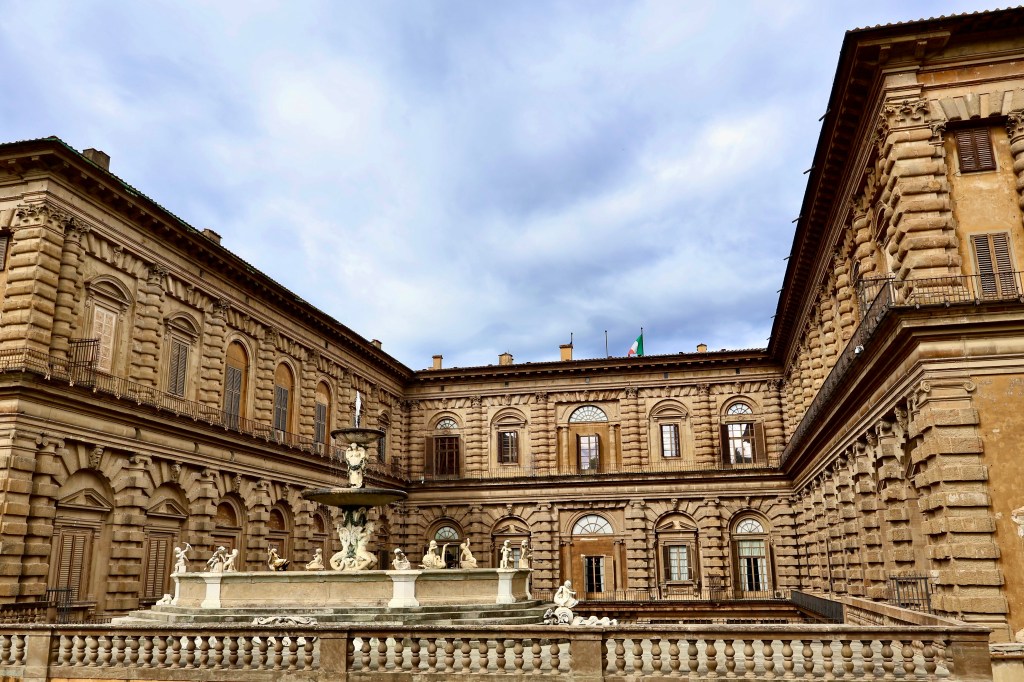
The main part of the Pitti Palace was constructed in 1458 by Luca Pitti, a very wealthy Florentine banker. It was bought by the Medici family in 1549 and became the chief residence of the ruling families of the Grand Duchy of Tuscany. Napoleon used it as a residence when he ruled Italy. You can even see his bathtub as you tour. The 140 room palace currently houses Florence’s most extensive grouping of museums.
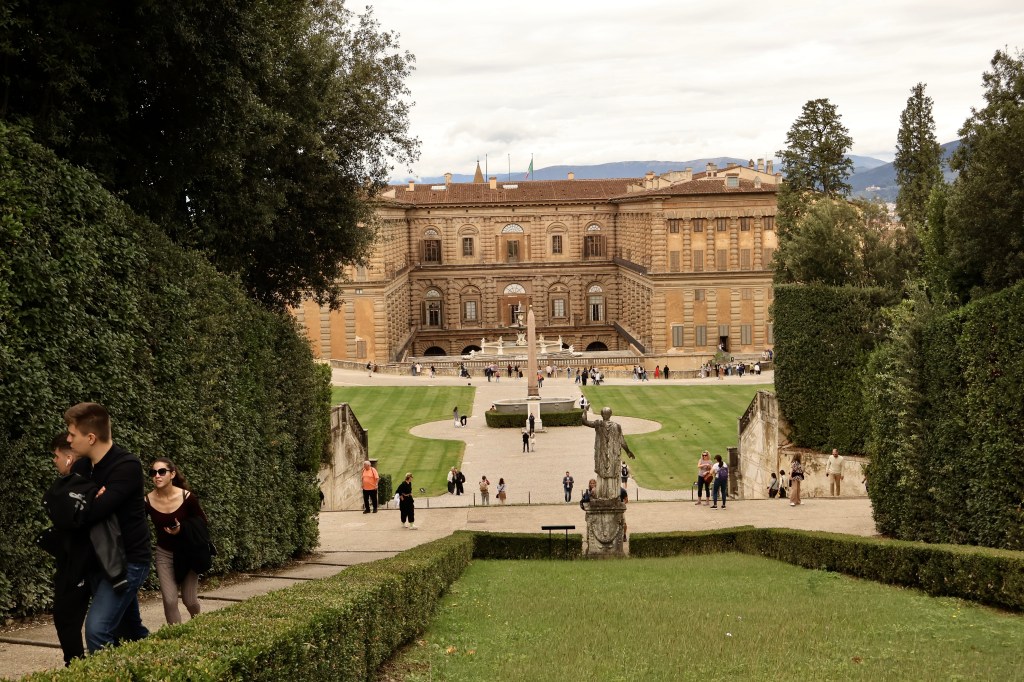
Directly behind Pitti Palace are the Boboli Gardens. The Medici family designed the layout of the gardens, creating an Italian garden style that was a model for many European courts.
A hike up through Boboli led us to Fort Belevedere. Built between 1590 and 1595, it was used to defend the city from outside attacks. In case of danger, it could be reached from the Pitti Palace. The Medici’s safe was kept in the Palazzina di Belvedere in a room accessed by a narrow staircase and doors protected by mechanisms and pitfalls (e.g., sharp blades ready to pierce anyone who tried to pick the lock), and which could even be flooded to drown intruders.
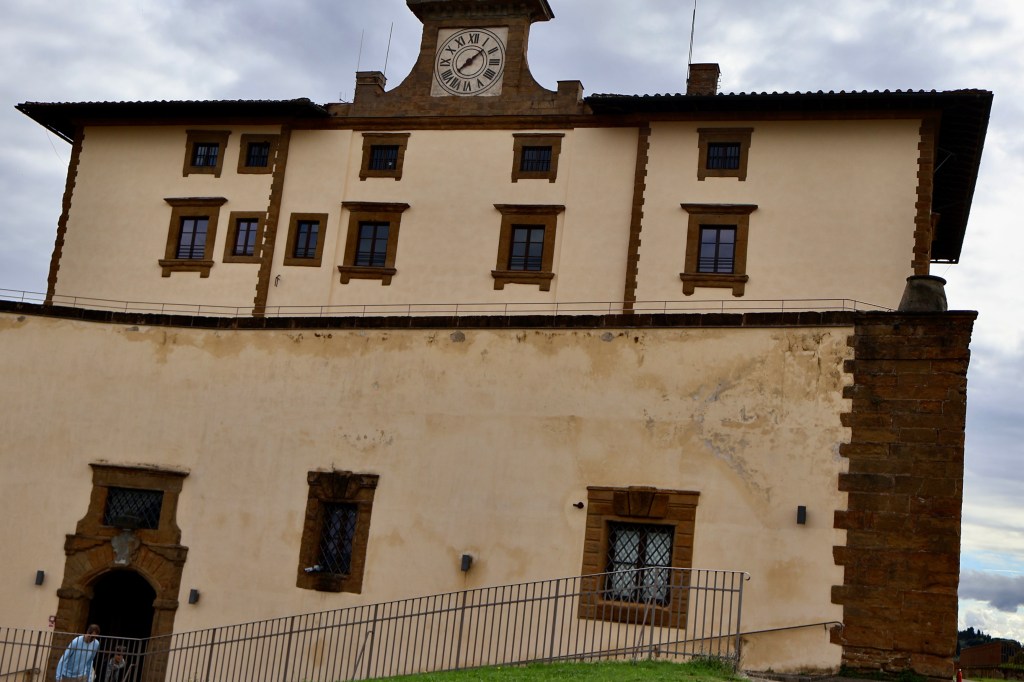
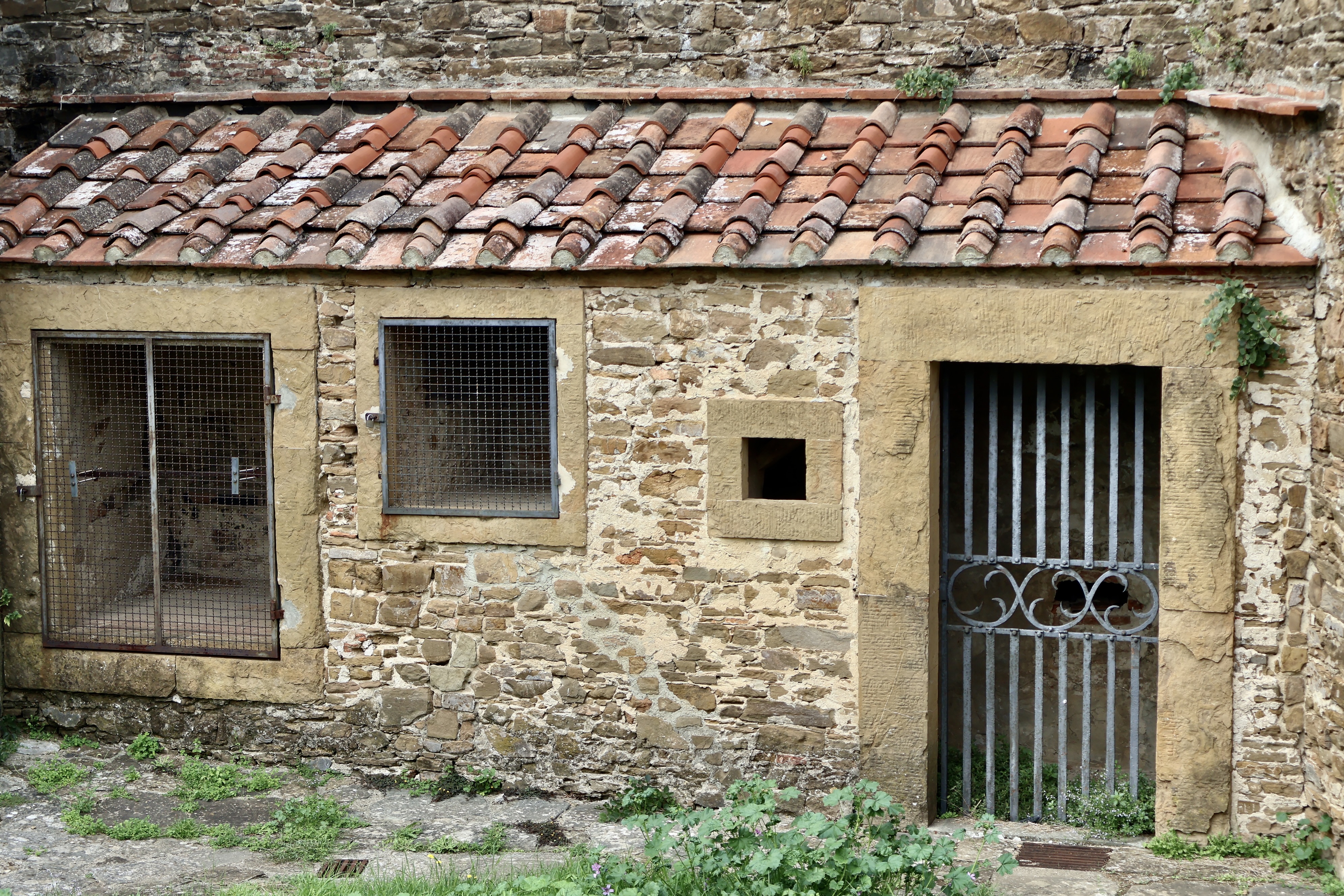
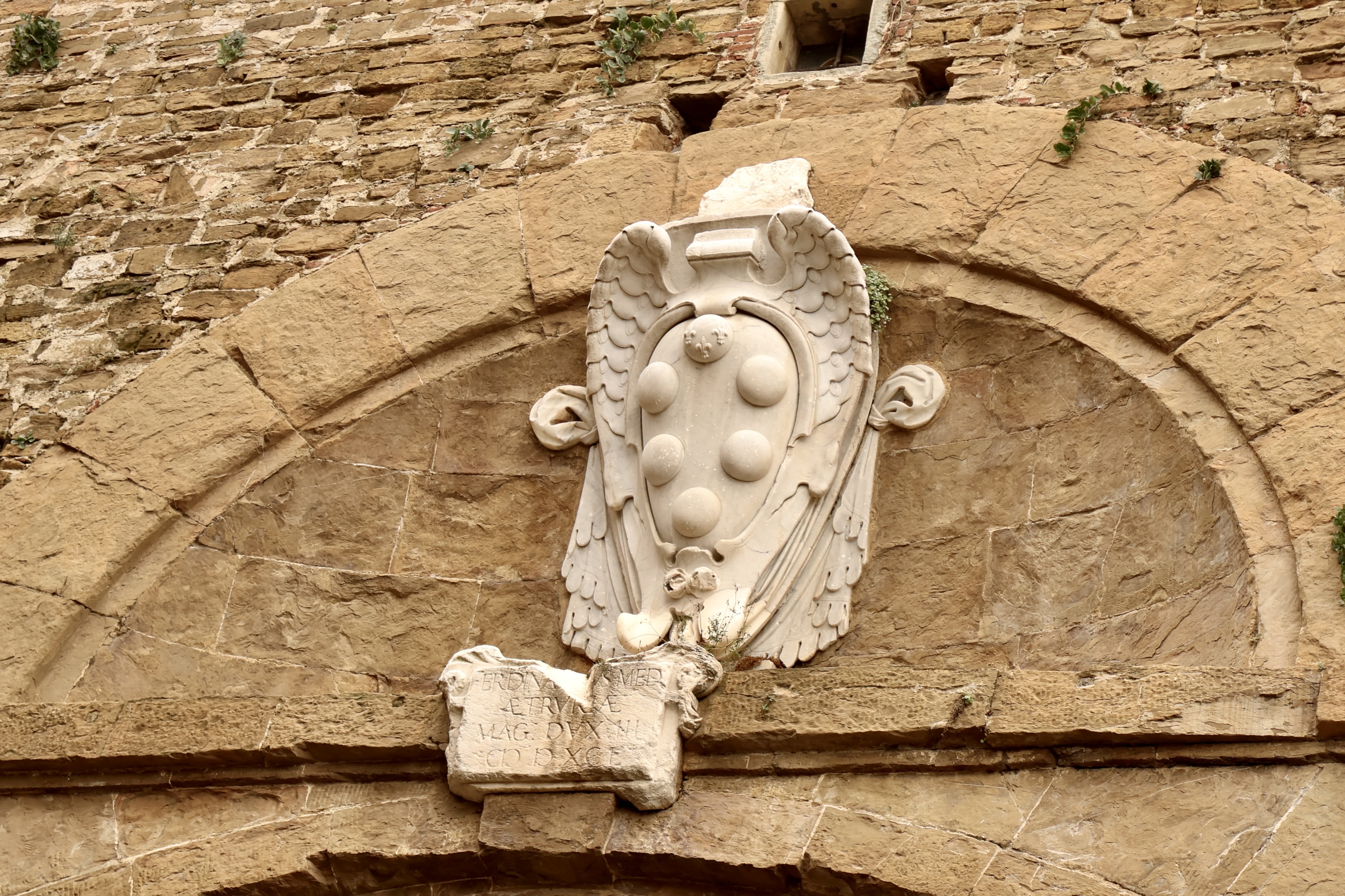
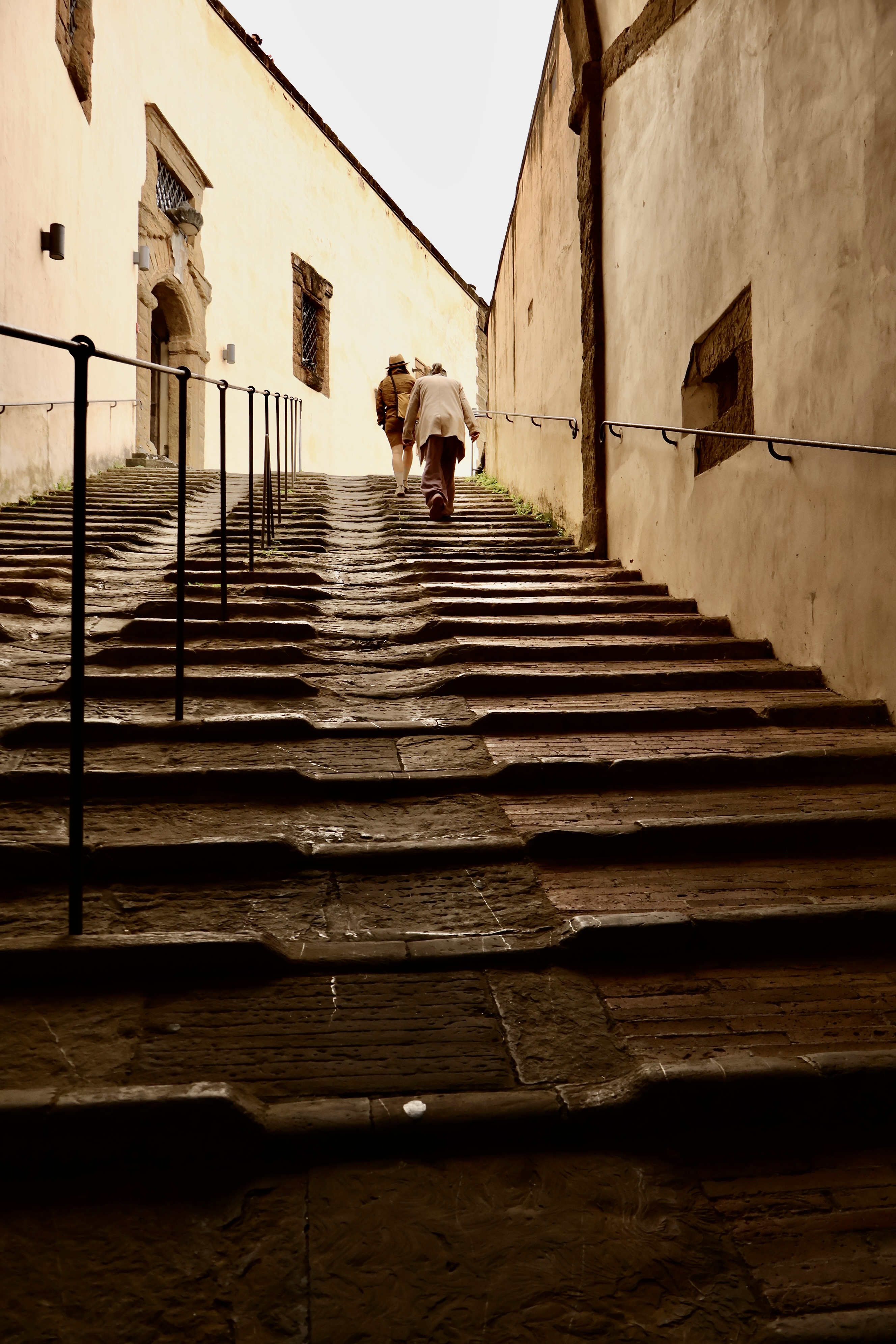
Fort outbuilding, one of many staircases, and the Medici Coat of Arms

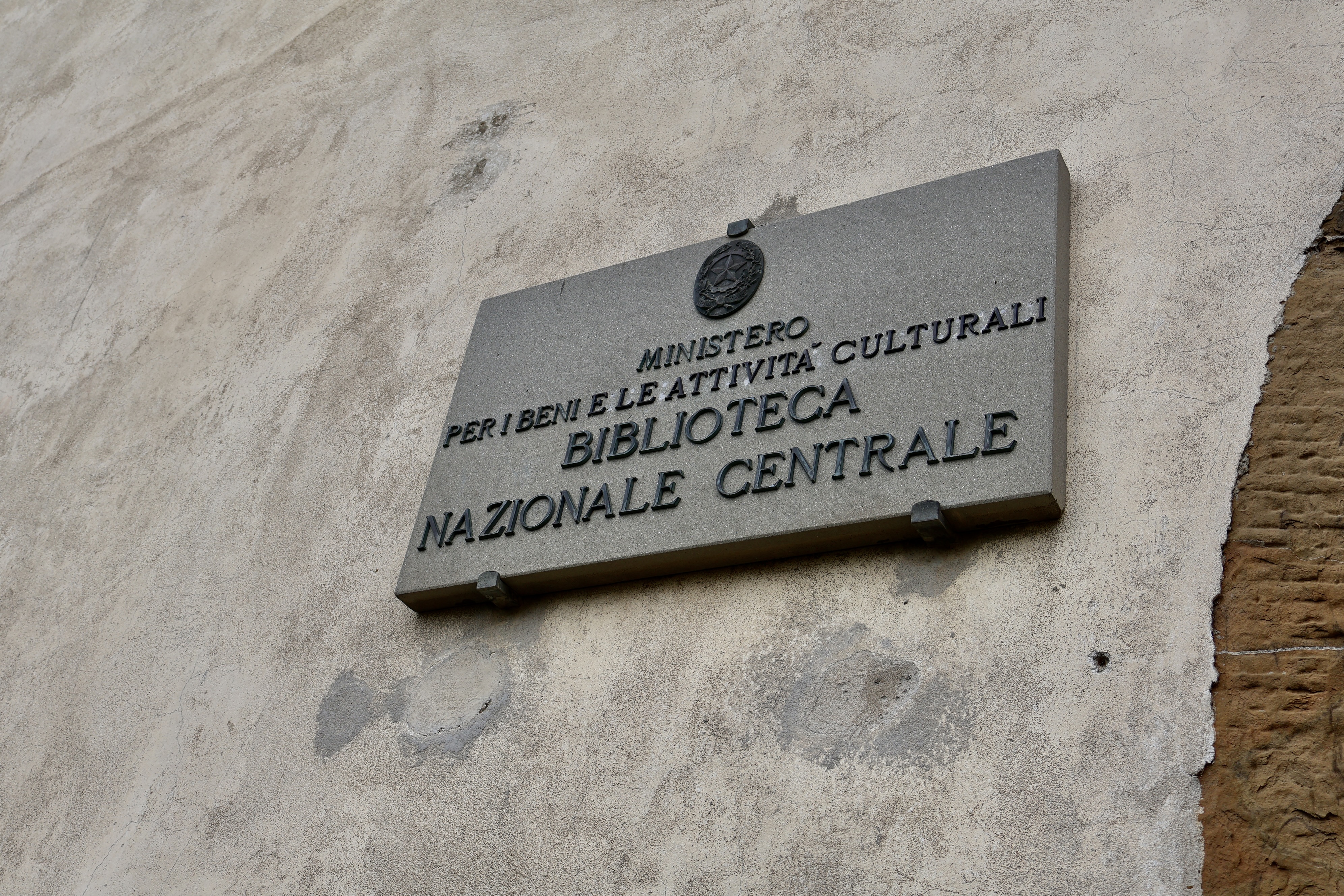
Precious historic documents – I had to wipe grime from the window to see inside
Views of Florence from the Fort
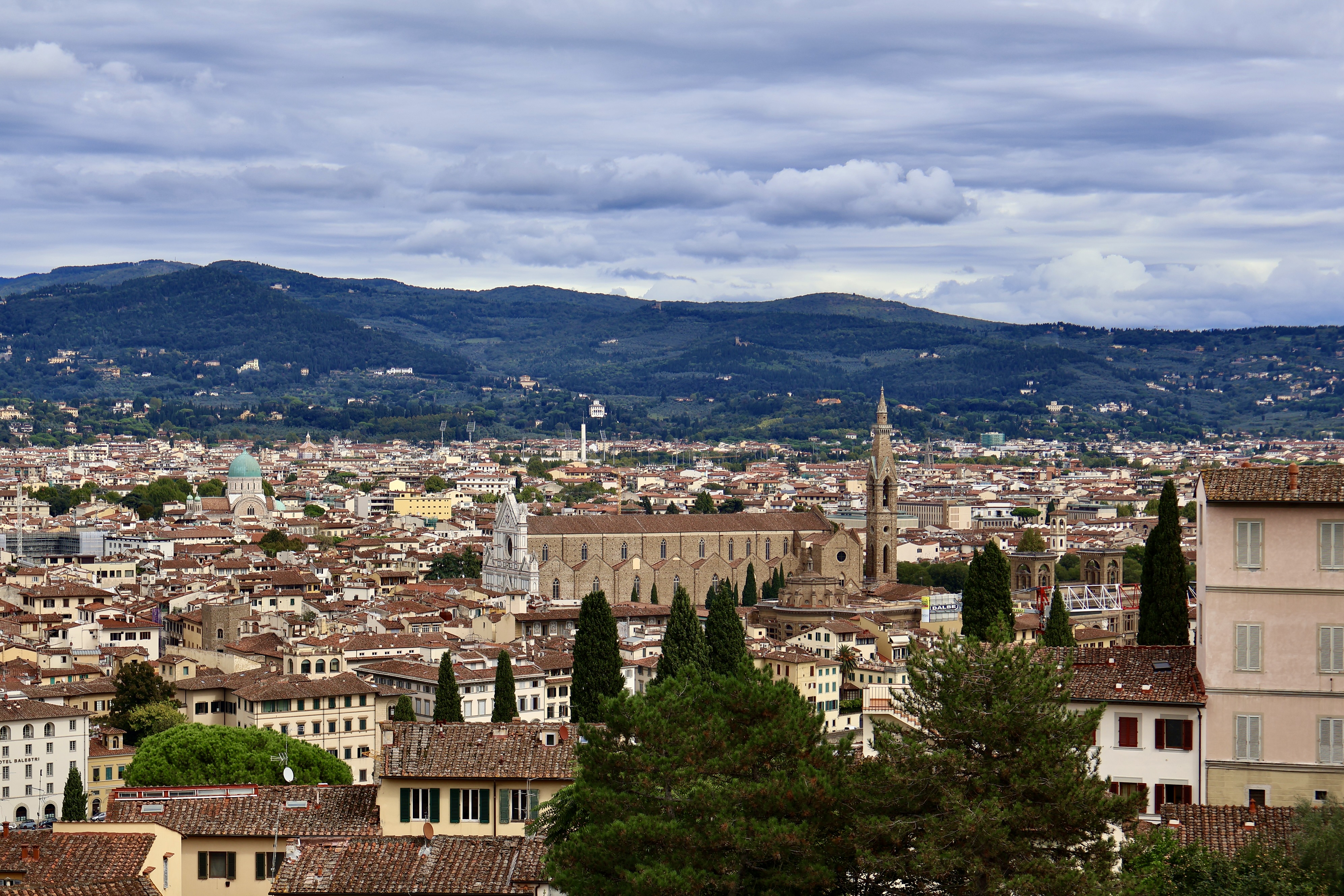

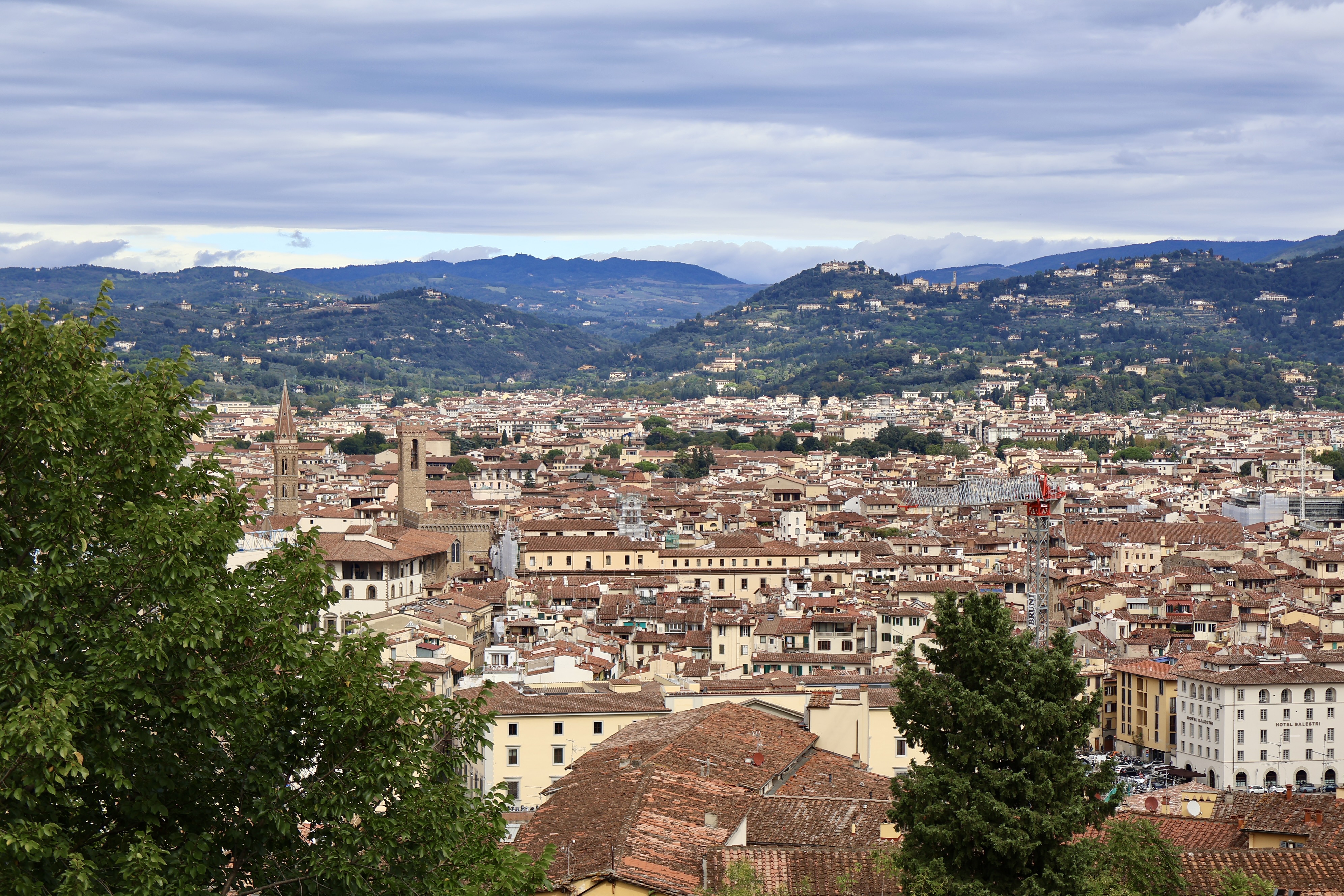
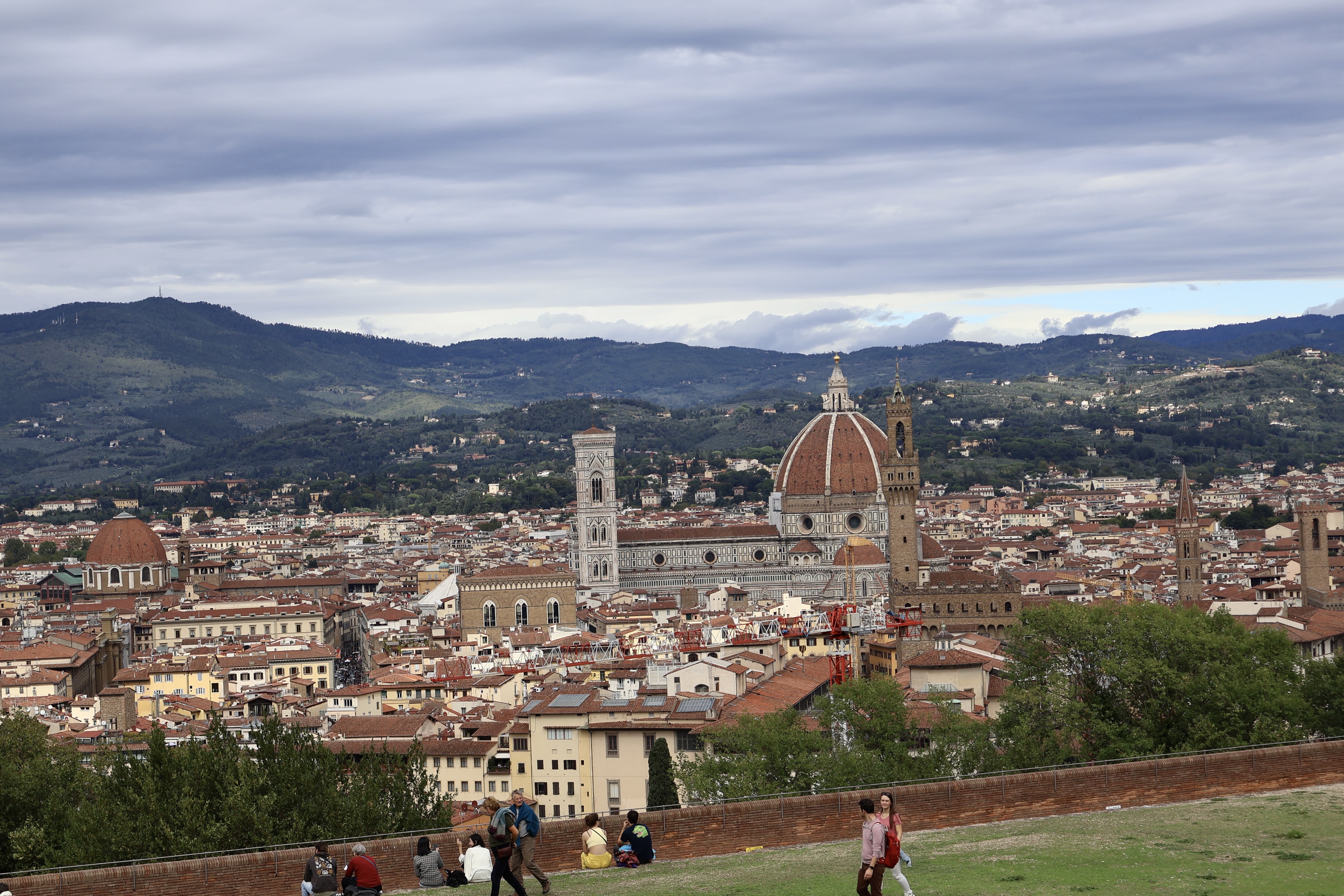
The Duomo is the iconic red-domed building that has come to represent Florence. The church, Santa Maria del Fiore, is adjoined to its left. And, left of the church is the infamous bell tower.
A bit of history
The Opera di Santa Maria del Fiore (a loose modern translation of “Opera” is controlling offices) was founded by the Florentine Republic and church in 1296 to oversee the construction of the new Cathedral and its Bell Tower. Once the church was consecrated on 25 March 1436 and its architectural structure was completed, the Opera’s primary task became the conservation and embellishment of its monumental complex. The Baptistery of San Giovanni came under its jurisdiction in 1777 and the Opera del Duomo Museum was inaugurated in 1891. The Opera exists today as a nonprofit organization tasked with maintaining and operating “the Duomo.
The Museo dell’Opera del Duomo di Firenze houses an incredible collection of original pieces and history of the construction of the complex.
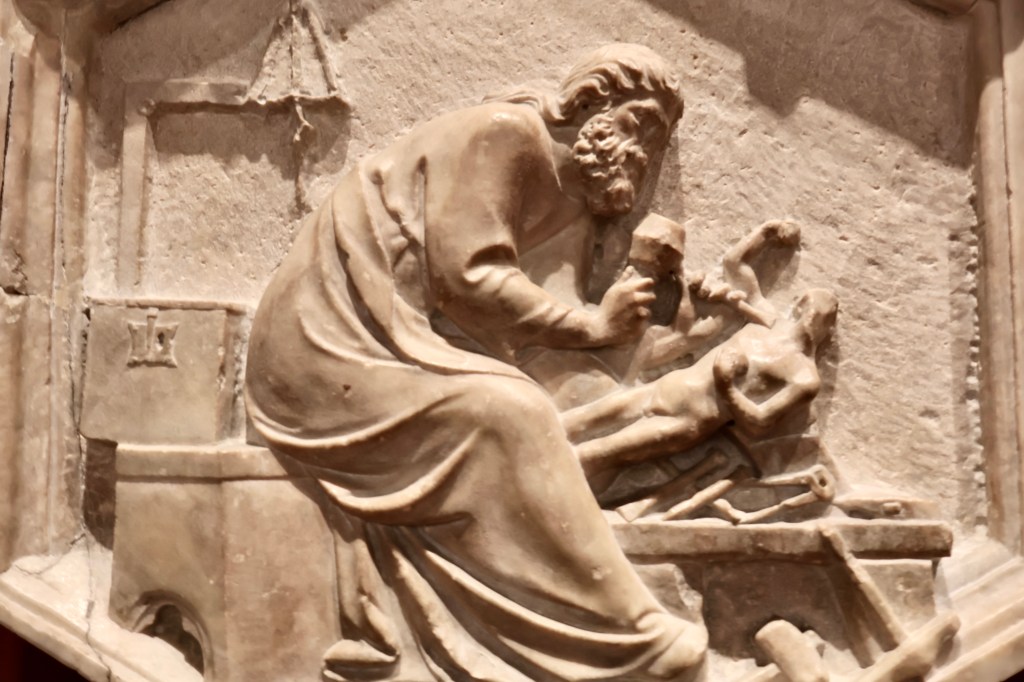
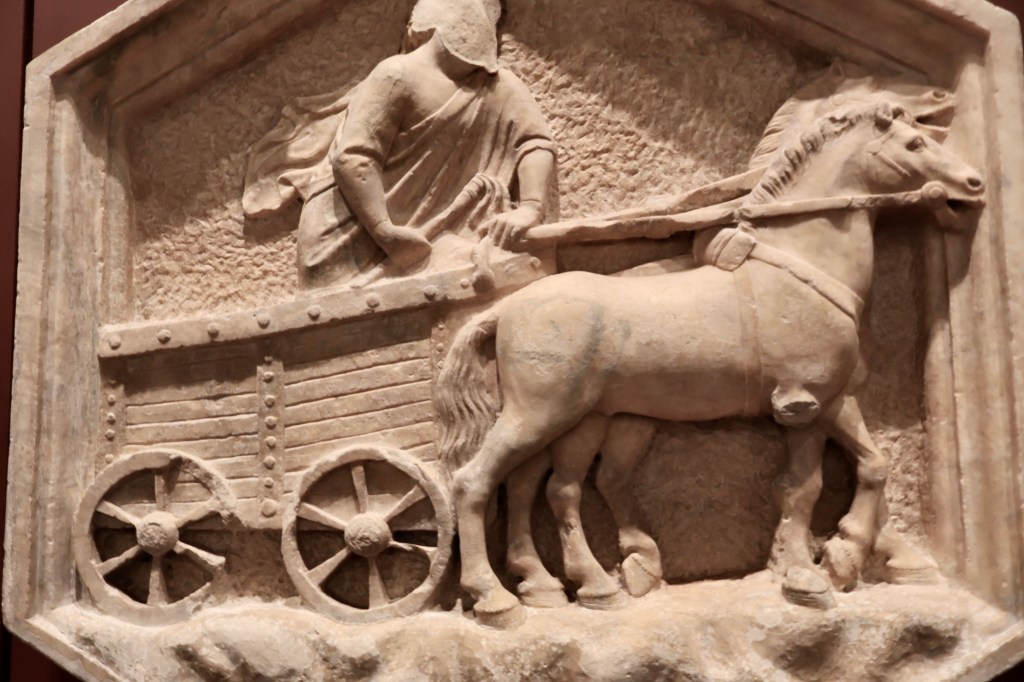
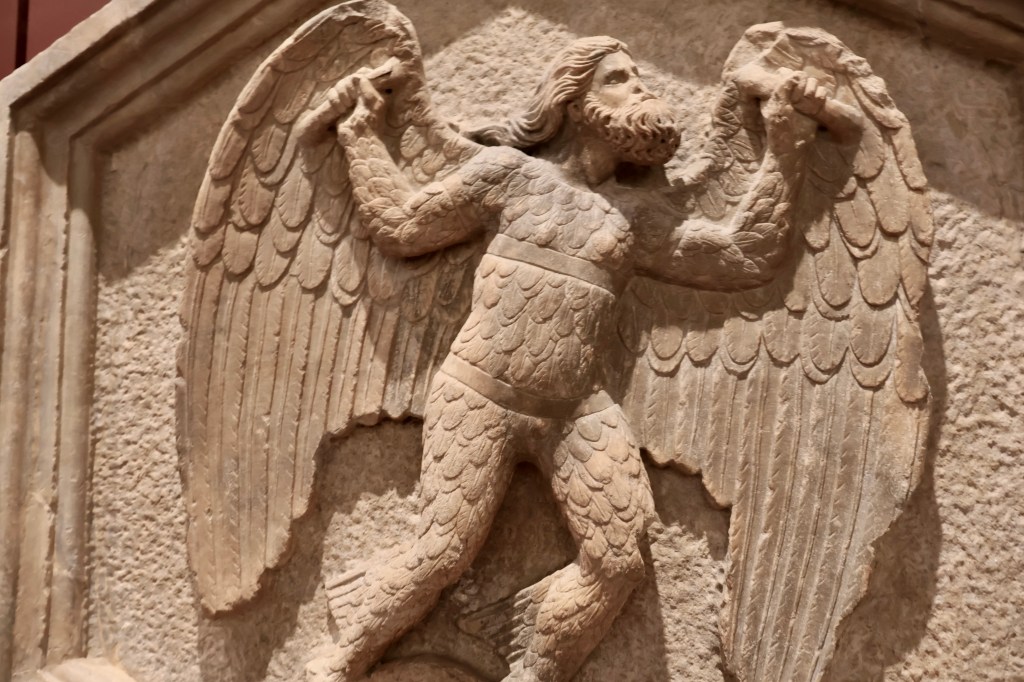
Andrea Pisano’s Workshop – originals circa 1343 – 1360
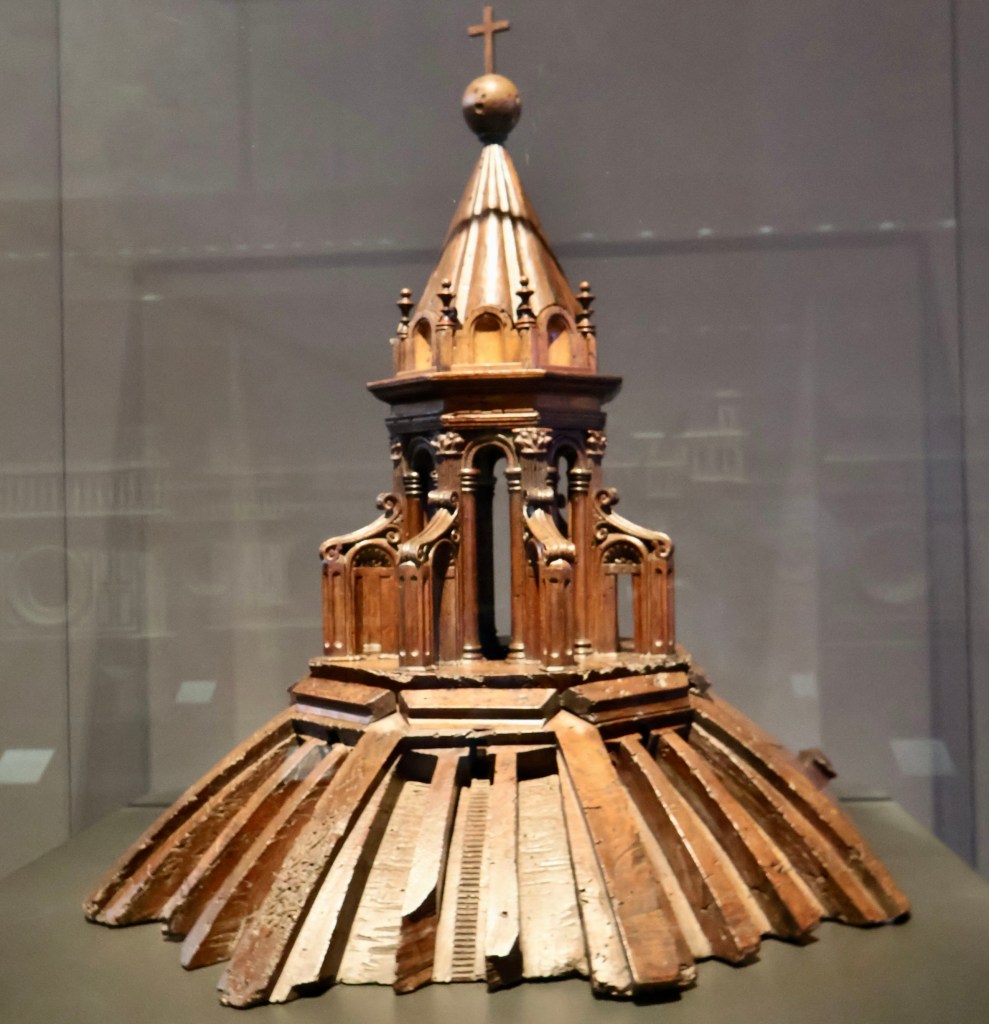
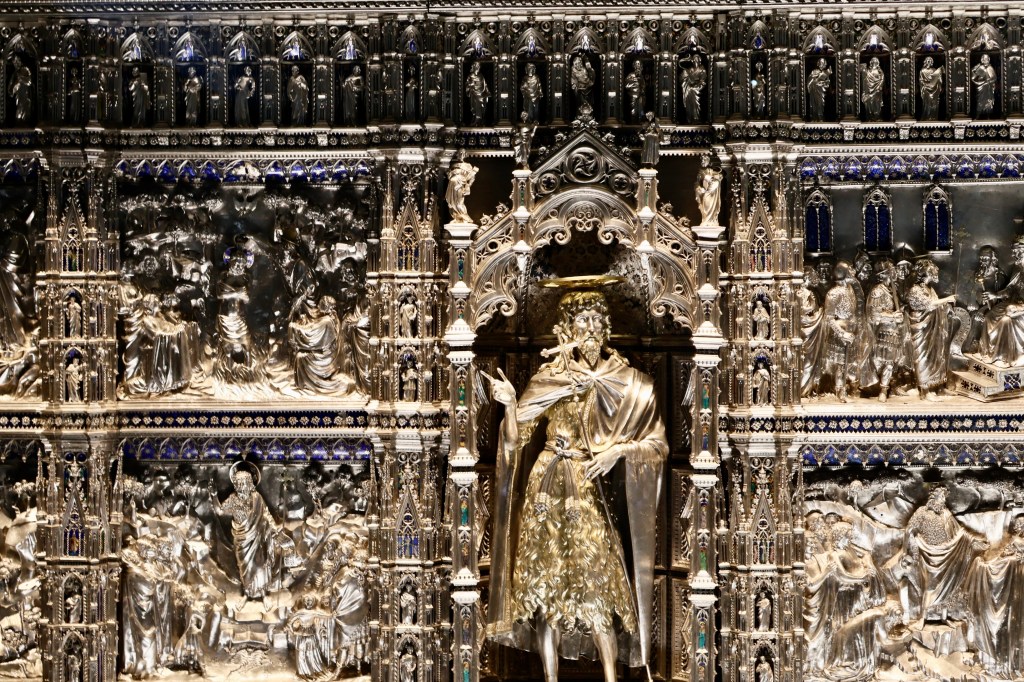
The Silver Altar aka St. John’s Treasure
The Treasure was commissioned in 1366. The task of building it was to be assigned to the winner of a competition. However, in the end, the various reliefs were assigned to a range of participants. Famous sculptors and goldsmiths such as Leonardo di ser Giovanni, Michele di Monte, Tommaso Ghiberti , Matteo di Giovanni, Bernardo Cennini, Antonio del Pollaiolo e Andrea del Verrocchio were challenged in the creation of the masterpiece. The Treasure required more than a 100 years of work, as well as more than 400kg of silver and 1050 enameled plates. It was moved around until it wound up in the museum.
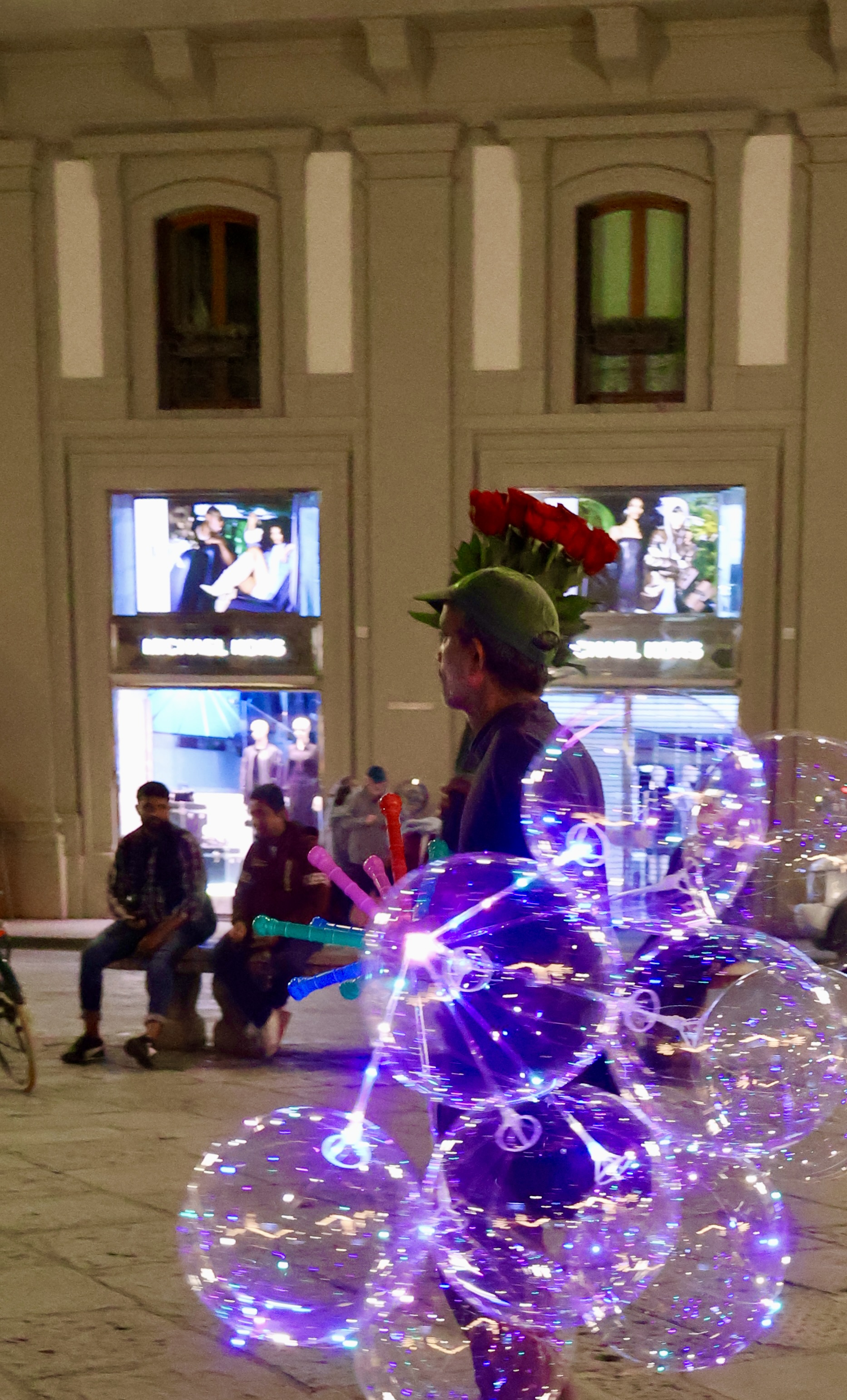
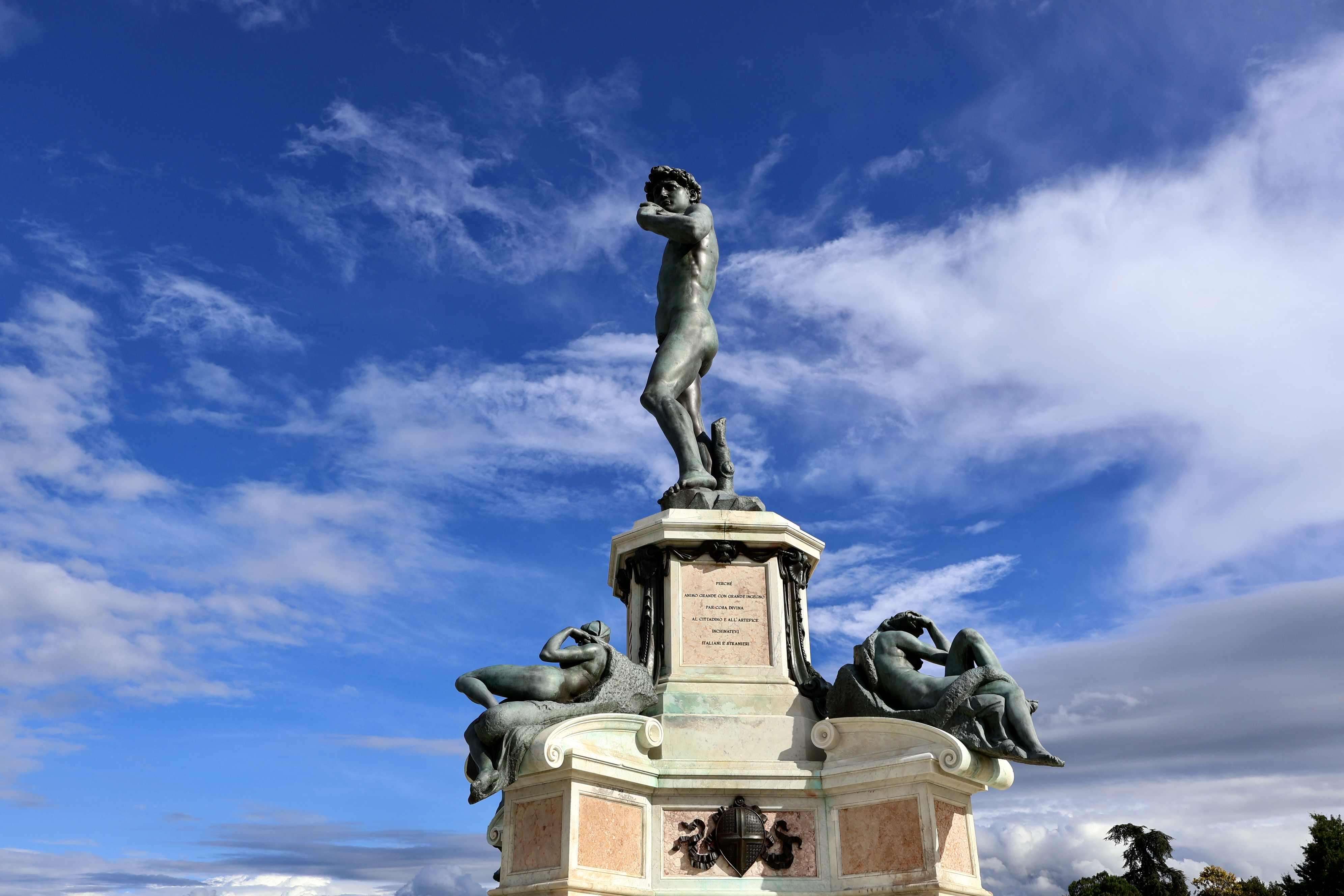
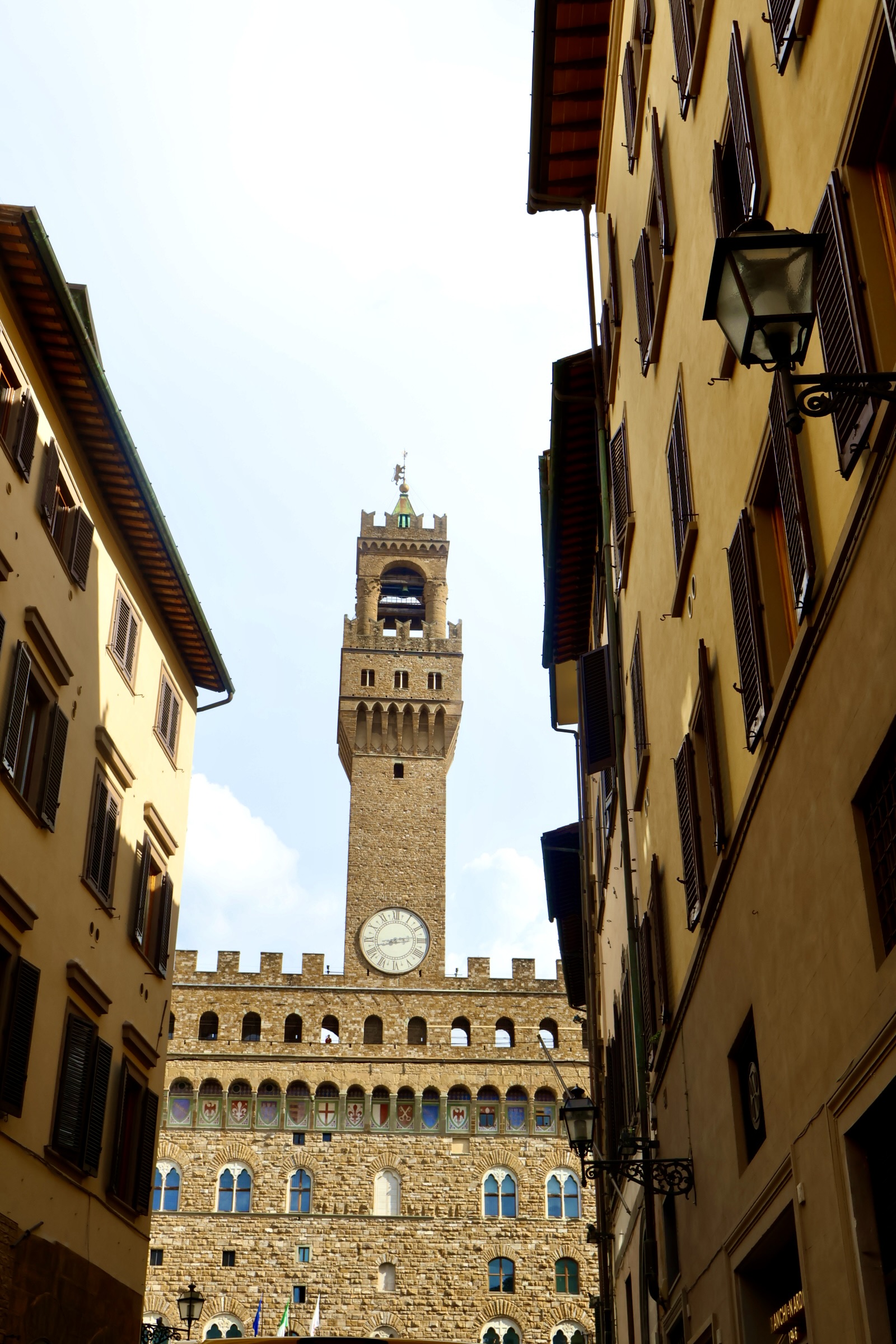
A few more scenes from around Florence


See you in Sicily!
For All You Geezers on the Go, Keep on Keeping on!


Leave a comment